Paving the Future: DeFi’s Evolution and the Rise of Layer 2 Networks

Decentralized finance

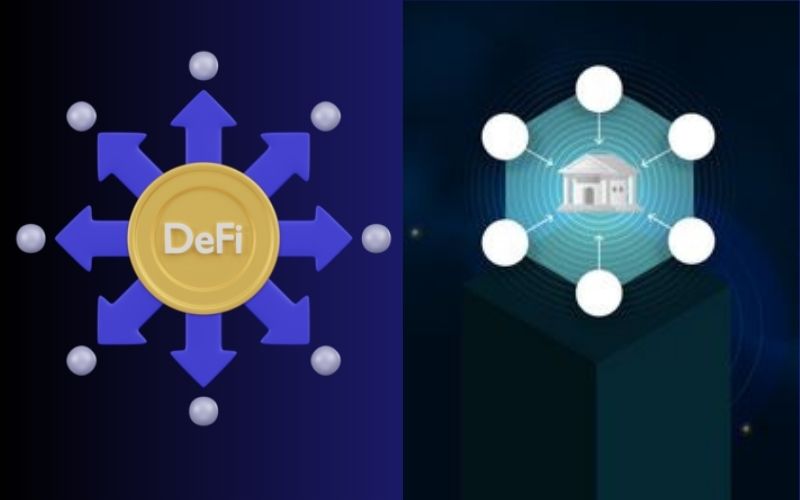
The innovative world of Decentralized Finance (DeFi) is redefining how people interact with money—removing middlemen, enabling open access, and delivering new opportunities for borderless value exchange. But as DeFi platforms scale, challenges like congestion, high fees, and slow transaction speeds have emerged. Enter Layer 2 networks: a new generation of blockchain scaling solutions making DeFi faster, cheaper, and more practical for mass adoption.

The Evolution of DeFi

DeFi began by leveraging smart contracts and public blockchains like Ethereum, allowing anyone to trade, lend, or borrow assets without banks, brokers, or centralized institutions. Its core principles include transparency, permissionless access, and financial self-custody, leading to explosive growth in lending, decentralized exchanges, stablecoins, and yield farming.

Key advancements in DeFi have unlocked:

  • Peer-to-peer lending and borrowing protocols (Aave, Compound)
  • Decentralized exchanges (DEXs) powered by automated market makers
  • Tokenization of assets and programmable money for novel products
  • Community governance via voting tokens

DeFi continues to expand, providing financial access to underserved populations, enabling real-time, low-fee cross-border payments, and democratizing global capital markets.

Layer 2 Network Growth: Solving Scalability

As DeFi adoption grew, base Layer 1 blockchains became congested, resulting in slow speeds and high transaction costs. Layer 2 solutions offer a strategic workaround by processing transactions off-chain and settling results back to the main network. Popular Layer 2 types include:

  • Rollups: Aggregate multiple transactions and record summaries on Layer 1—optimistic rollups and zk-rollups are improving speed and efficiency.
  • State channels: Enable parties to transact off-chain and only write the final outcome on-chain, ideal for micro-transactions.
  • Sidechains: Independent blockchains that interact with Layer 1, providing higher throughput and lower fees.

Layer 2 technologies have enabled DeFi platforms to scale quickly, lowering costs for users, increasing transaction speeds, and supporting innovative use cases like NFT marketplaces, staking platforms, and high-frequency trading.

Why Layer 2 Networks Matter for DeFi

  • Access for all: Lower fees and faster transactions make DeFi feasible for even the smallest users globally.
  • Security: Layer 2 inherits the base chain’s security while improving transaction speed.
  • Sustainability: Efficient scaling means blockchains use resources more effectively and can grow without centralization risks.

DeFi wallet developers, lending platforms, and entire financial applications are integrating Layer 2 networks to deliver improved user experience, increased scalability, and greater decentralization.

Challenges and the Road Ahead

While both DeFi and Layer 2 networks promise a more open financial future, obstacles remain:

  • Security risks: Layer 2 solutions must safeguard assets against cyber attacks and vulnerabilities.
  • Interoperability: Seamless communication between Layer 1 and Layer 2 protocols, and across different blockchains, remains complex.
  • Regulation: Adapting permissionless systems to global compliance standards—like anti-money laundering rules—poses ongoing challenges.
  • Education & UX: The complexity of decentralized apps and wallet management can hinder mass adoption. Platforms must focus on intuitive design and user education.

Continuous innovation in Layer 2 scaling and protocol design is critical for DeFi to reach billions of users.

As DeFi matures and Layer 2 networks accelerate growth, the future of decentralized finance looks more scalable, inclusive, and transformative than ever.

FAQs: DeFi Evolution & Layer 2 Growth

Q1: What is DeFi and how is it evolving?

A1: DeFi uses blockchain and smart contracts to enable open, permissionless financial services. It is growing through innovative protocols and expanding global access.

Q2: What are Layer 2 networks in blockchain?
A2: Layer 2 networks are scaling solutions built on top of Layer 1 blockchains. They process transactions off-chain for speed and cost efficiency, settling the final results on the main chain.

Q3: How do Layer 2 networks benefit DeFi?
A3: They drastically reduce transaction fees, boost speed, and facilitate the growth of complex DeFi platforms, making decentralized finance practical for more users.

Q4: Are Layer 2 solutions secure?
A4:Layer 2 solutions typically inherit Layer 1’s security but require extra safeguards against specific vulnerabilities. Robust implementation is essential for user safety.

Q5: What challenges do DeFi and Layer 2 networks face?

A5: Key hurdles include security, interoperability, regulatory compliance, and user education. Ongoing innovation is working to address these challenges.
A Beginner’s Guide to Borrowing Against Crypto: Step-by-Step to Your First Loan

crypto-backed loans

Borrowing against cryptocurrency lets digital asset holders unlock cash or stablecoins without selling their tokens—an attractive option in today’s fast-moving market. Crypto-backed loans are designed for beginners seeking quick access to liquidity while retaining upside in their coins. This guide takes users through the step-by-step process, using platforms like Bitget, and explains risks, repayment strategies, and tips for safe borrowing.

What Is a Crypto-Backed Loan?

A crypto-backed loan is a financial arrangement where the borrower deposits cryptocurrency as collateral and receives another asset—typically fiat or stablecoins—in exchange. The lender holds the crypto until the loan and interest are repaid. If prices fall sharply, a margin call may require you to add more collateral or risk liquidation.

Step-by-Step: Your First Crypto Loan

1. Choose Your Platform

Platforms such as Bitget and Ledn offer beginner-friendly onboarding and robust security measures for crypto loans. Select a platform with transparent terms, solid reputation, and diverse collateral options.

2. Set Up and Verify Account

Register for an account and complete KYC requirements. This step helps the platform comply with regulations and protect user accounts from fraud or misuse.

3. Deposit Collateral

Transfer the cryptocurrency (such as Bitcoin or Ethereum) to the platform’s designated wallet. Each platform provides precise instructions for deposits, so follow closely to avoid errors.

4. Select Loan Terms

Platforms offer varied loan products, including fixed or flexible interest rates, repayment terms, and loan-to-value (LTV) ratios. Review these terms carefully to ensure they fit your needs.

5. Apply & Await Approval

Fill out the loan application and agree to the terms. Your collateral and profile will be reviewed promptly. Once approved, loan funds are credited—often within minutes.

6. Monitor & Manage Your Loan

Use platform tools to track interest, payments, and LTV status. If crypto values drop, maintain enough collateral or respond to margin calls to avoid liquidation.

7. Repay and Redeem Collateral

Repay loan principal and interest according to the schedule. Upon full repayment, the platform releases your collateral back to you.

Why Borrow Against Crypto?

  • Access liquidity without selling digital assets

  • Potential tax deferral compared to direct asset sales
  • Flexibility in repayment terms and currencies

  • Diverse use cases such as emergency cash, trading, or leveraging investments

Key Risks and Considerations

  • Volatility risk: Sudden drops in collateral value may trigger forced liquidation.
  • Platform risk: Choose reputable, insured, and regulated lenders.
  • Fee awareness: Understand interest, origination, and repayment fees upfront.
  • Responsible borrowing: Borrow less than your collateral’s value and have a backup plan for repayment.

Pro Tips for First-Time Borrowers

  • Start small and increase loan size only after gaining experience.
  • Use fixed-rate loans for predictable budgeting.
  • Study each platform’s loan-to-value (LTV) ratios; higher LTV means greater risk.
  • Platforms like Bitget offer educational resources; check out their academy for in-depth market lessons.

FAQs

Q1: Which cryptocurrencies can be used as collateral?

A1: Leading platforms support major cryptos including Bitcoin and Ethereum, with some offering stablecoin options.

Q2: What happens if collateral drops in value?

A2: You could face margin calls or liquidation; always monitor collateral levels and respond quickly.

Q3: Is my crypto locked during the loan?

A3: Yes, your assets are held as collateral until the loan is repaid.

Q4: Can I repay early or adjust my loan?

A4: Some platforms, like Bitget, allow early repayment and flexible rates—always review terms before applying.

Litecoin News; LTC Crypto Holders Buy Based Eggman Presale, What is Litecoin and Based Eggman Presale?

lts based eggman

The crypto market in 2025 is buzzing with both legacy coins and new presale opportunities. Litecoin (LTC), one of the longest-running altcoins, is staging a technical recovery. At the same time, Based Eggman ($GGs) is gaining traction in presale markets, attracting even seasoned LTC investors. For those new to the space, understanding both Litecoin (LTC) and Based Eggman ($GGs) is key to spotting the next growth stories.

Based Eggman banner


What is Based Eggman ($GGs)?

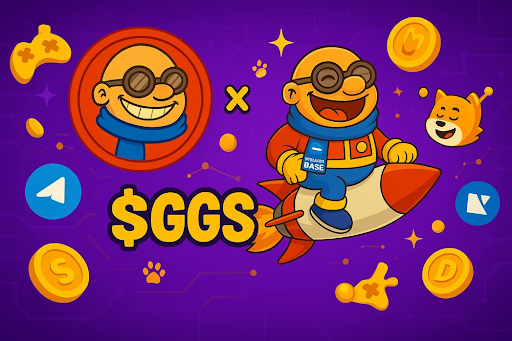
In contrast to Litecoin’s legacy, Based Eggman ($GGs) is a fresh presale project that blends meme culture with real-world use. Currently priced at $0.006389 per token, with a capped supply of 389 million, Based Eggman ($GGs) is positioning itself as a cultural hub built on Base Layer-2. The token powers an ecosystem of streaming platforms, retro-inspired games, and DeFi solutions like ScrambleSwap. For investors, $GGs isn’t just another meme coin — it’s a functional asset tied to entertainment, trading, and community interaction.

What is Litecoin (LTC)?

Launched in 2011, Litecoin (LTC) is one of the oldest cryptocurrencies, designed as a faster, lighter version of Bitcoin. It offers quicker block times and lower transaction fees, making it a reliable network for peer-to-peer payments. In early September 2025, Litecoin (LTC) rebounded from $108 to hold above $111, showing resilience after a muted August. Analysts highlight technical patterns like a falling wedge and a broad triangle that could send LTC toward $130 or even above $400 if momentum builds. While some ultra-bullish forecasts point to multi-thousand-dollar targets, the more realistic range remains moderate, emphasizing steady growth over hype.

Based Eggman banner


Why LTC Holders Are Buying Into $GGs Presale

Many Litecoin (LTC) holders have been in the market for years and understand the difference between legacy coins and new presales. While LTC offers stability and liquidity, the percentage gains from presales like Based Eggman ($GGs) are far more attractive in the short term. By buying $GGs early, LTC investors are securing positions before exchange listings and broader adoption. This dual strategy combines Litecoin’s steady value with Based Eggman’s exponential growth potential.

Comparing Strengths: LTC and $GGs

Litecoin (LTC) thrives on proven fundamentals and ongoing institutional interest, such as KuCoin’s KuMining cloud mining service. Based Eggman ($GGs), on the other hand, thrives on cultural virality and integrated utilities that resonate with gamers and streamers. For investors, the combination offers balance: LTC for long-term reliability, Based Eggman ($GGs) for short-term explosive returns.

Based Eggman banner


Conclusion: Two Generations of Crypto, One Strategy

Litecoin (LTC) remains one of the most trusted legacy coins, with a strong technical outlook and established infrastructure. Based Eggman ($GGs) represents the next generation of meme-driven tokens, offering presale entry into a functional ecosystem. Together, they highlight the dual pathways investors can take in 2025: steady resilience from Litecoin (LTC) and fresh upside from Based Eggman ($GGs).

More details can be found on their official channels:

Website: https://basedeggman.com/

X (Twitter): https://x.com/Based_Eggman

Telegram: https://t.me/basedeggman

Will XRP Hit $1000? Ripple XRP and Based Eggman Presale the Most Anticipated Cryptos to Explode, Ripple XRP Price

based eggman Xrp

Ripple (XRP) has long been viewed as one of the most promising altcoins for institutional adoption, and speculation continues over whether it could one day reach $1000. With whales accumulating nearly $1 billion worth of Ripple (XRP) and ETF applications pending before the SEC, optimism has returned. However, analysts caution that XRP’s large supply and regulatory history make such price targets extremely ambitious. In contrast, Based Eggman ($GGs) is dominating attention during its presale, emerging as the most anticipated crypto to explode in 2025.

Based Eggman banner


Based Eggman ($GGs) Presale Gains Viral Momentum

While Ripple (XRP) traders debate long-term price predictions, Based Eggman ($GGs) is seizing the spotlight with a viral presale. The project fuses meme coin culture with scarcity-driven tokenomics and gamified staking, creating a perfect storm for community adoption. Social media buzz has already elevated $GGs into one of the most hyped names in crypto this year. Unlike XRP, which relies on institutions and ETF approvals, $GGs thrives on retail-driven momentum, giving it a more immediate path to exponential growth.

Why $GGs Stands Out as the Better Bet

Investors are increasingly viewing Based Eggman ($GGs) as a better near-term bet than Ripple (XRP). XRP may eventually climb higher if ETFs attract billions in inflows, but that is a multi-year process with uncertain outcomes. In contrast, $GGs offers presale entry at the lowest valuations, ensuring early adopters capture maximum upside. Analysts compare the current $GGs phase to Shiba Inu’s early days, when small investments multiplied into fortunes. This combination of humor, community energy, and practical features like streaming integrations positions Based Eggman ($GGs) as a standout opportunity.

Based Eggman banner

Anticipated Explosions: XRP Stability vs. $GGs Hype

Both Ripple (XRP) and Based Eggman ($GGs) are anticipated cryptos, but for different reasons. XRP is stable, institutionally recognized, and has a mission tied to global payments. $GGs, on the other hand, is designed to explode through meme culture virality, presale scarcity, and fast-moving retail adoption. Together, they represent a balance between safety and moonshot potential, but the real excitement right now is clearly with Based Eggman ($GGs).

Conclusion: $GGs Takes Center Stage

Ripple (XRP) may still inspire speculation about $1000 targets, but Based Eggman ($GGs) is the presale making waves now. For investors looking for the most anticipated crypto to explode in 2025, the clear frontrunner is Based Eggman ($GGs), offering exponential upside while Ripple (XRP) continues its slower institutional journey.

More details can be found on their official channels:

Website: https://basedeggman.com/

X (Twitter): https://x.com/Based_Eggman

Telegram: https://t.me/basedeggman

Understanding the Core: DeFi vs CeFi

Defi vs Cefi

CeFi crypto loans are offered by centralized entities that act as intermediaries, similar to traditional financial institutions. Platforms like Binance and Coinbase manage the entire process, including matching lenders and borrowers, handling collateral, and setting interest rates. This model requires you to trust the platform to manage your funds and remain solvent. In exchange, you get a simple user interface, customer support, and, on some platforms, a degree of regulatory oversight that may feel familiar.

In contrast, decentralized finance (DeFi) loans operate on public blockchains using smart contracts lending. Protocols like Aave and Compound are automated and permissionless, meaning anyone can use them without an intermediary. Your assets are locked in a transparent, on-chain smart contract, and the rules of the loan are executed by code. This model is trustless because you don’t need to trust a company, only the code itself.

Security and Risk: Which Is Safer?

The security of DeFi vs CeFi platforms is a primary concern for all investors.

  • CeFi Security: CeFi crypto loans are susceptible to what’s known as counterparty risk. The 2022 market downturn exposed vulnerabilities in this model, as several centralized lenders went bankrupt, and users lost their funds. While many platforms have since implemented more robust practices like proof-of-reserves, you still rely on the platform’s solvency and operational security.
  • DeFi Security: DeFi is not immune to risk. Its main vulnerabilities are smart contract bugs and hacks. A flaw in a smart contract can lead to the loss of all funds locked within it. However, the transparent and open-source nature of most protocols allows for community audits and bug bounties, which can mitigate these risks. For advanced users, features like flash loans in DeFi and sophisticated crypto finance protocols also introduce a level of complexity that can be a security risk if not fully understood.

Ultimately, CeFi security is dependent on human management and institutional safeguards, while DeFi security relies on the integrity of its code.

Flexibility and User Experience

Flexibility and ease of use are major differentiators.

  • CeFi Flexibility: For a beginner, a CeFi crypto loan is generally more flexible and user-friendly. You get dedicated customer support, a simple interface, and streamlined processes for borrowing against Bitcoin and other assets. Many platforms also offer a crypto-backed line of credit that is easier to manage than a decentralized loan.
  • DeFi Flexibility: DeFi platforms offer unparalleled financial flexibility, especially for those comfortable with the technology. Since they’re permissionless, anyone can access decentralized finance (DeFi) loans regardless of location or credit history. This allows for a wide range of products and services, from earning yield from crypto lending to engaging in margin trading with crypto. However, this flexibility comes at the cost of a steeper learning curve and a lack of human support.

Regulatory Compliance and Future Outlook

In 2025, regulatory compliance for crypto loans is a major factor driving the evolution of both models. Regulators are increasingly scrutinizing CeFi crypto lending platforms, demanding clearer disclosures and stronger capital requirements. This increased oversight can provide a sense of security for traditional investors. DeFi, by its nature, is more resistant to regulation, as there is no central entity to enforce rules upon. This can be a double-edged sword, offering censorship resistance but also creating a less-regulated environment. As a result, the market share of DeFi lending over CeFi has grown in 2025, largely driven by its transparency and lack of censorship.

The Verdict: Which Is Right for You?

The choice between DeFi vs CeFi comes down to your priorities.

  • Choose CeFi if you value simplicity, customer support, and a degree of regulatory oversight. It’s the best option for beginners who are just starting to explore digital asset lending.
  • Choose DeFi if you prioritize self-custody, transparency, and a high degree of control over your assets. While it comes with a higher learning curve and risks like crypto loan liquidation and smart contract bugs, it offers a truly decentralized financial experience.

There is no one-size-fits-all answer, and the landscape is constantly changing. The most successful approach for many is to use both, leveraging CeFi for its convenience and DeFi for its unique financial tools.

FAQs

Q1: What is a collateralized crypto loan?

A1: A collateralized crypto loan is a loan where you use your crypto holdings as collateral to borrow a stablecoin or fiat currency. This is the foundation of most crypto borrowing and digital asset lending, and the loan-to-value (LTV) ratio is typically over 100% to protect the lender from market volatility.

Q2: What is a flash loan in DeFi?

A2: A flash loan in DeFi is a type of uncollateralized loan that allows users to borrow and repay a very large sum of money within the same blockchain transaction. These are primarily used by developers and advanced traders for arbitrage opportunities and have specific technical requirements.

Q3: Is my crypto at risk of liquidation with a loan?

A3: Yes. With both CeFi crypto loans and decentralized finance (DeFi) loans, your collateral is at risk of being liquidated if the value of your assets falls below a certain threshold. This event, known as crypto loan liquidation, is a key risk of the collateralized loan model. To avoid it, you must monitor your loan’s health and add more collateral if needed.

Q4: How do crypto lending platforms generate yield?

A4: The yield from crypto lending is generated from the interest payments made by borrowers. Lenders provide their assets to a pool on a platform, and those assets are then lent out to borrowers at a higher interest rate. The interest earned is then distributed to the lenders, minus any platform fees.

Crypto Borrowing Explained: Unlocking Liquidity Without Selling Your Holdings

Crypto loans

In the fast-paced world of cryptocurrency, investors often face a dilemma: how to access the value of their digital assets without triggering a taxable event by selling them. The answer lies in crypto borrowing, a powerful financial tool that allows you to unlock liquidity by using your cryptocurrency as collateral for a loan. This guide explains how crypto borrowing works, the different types of platforms available in 2025, and the key risks and rewards involved. Whether you’re a beginner looking for a flexible financial solution or a seasoned trader seeking to manage your portfolio, understanding this concept is essential.

What is a Collateralized Crypto Loan?

A collateralized crypto loan is a form of secured loan where you, the borrower, pledge your digital assets as collateral to receive a loan in either a stablecoin (like USDC) or a traditional fiat currency (like USD). The loan is typically over-collateralized, meaning the value of your pledged crypto is greater than the value of the loan you receive. This practice protects the lender from the extreme volatility of the crypto market. The ratio of the loan amount to the collateral value is known as the Loan-to-Value (LTV) ratio. For example, a 50% LTV on $10,000 worth of Bitcoin would allow you to borrow $5,000.

Centralized Finance (CeFi) vs. Decentralized Finance (DeFi) Loans

The crypto lending landscape is broadly divided into two main categories: Centralized Finance (CeFi) and Decentralized Finance (DeFi) loans. Understanding the difference is crucial for a borrower.

  • CeFi Crypto Loans: These loans are managed by a centralized company, similar to a traditional bank. Platforms like Coinbase and Nexo act as intermediaries, matching lenders and borrowers. With a CeFi loan, the platform takes custody of your collateral. This offers a user-friendly experience, dedicated customer support, and often simpler terms, but it means you must trust a third party with your funds.
  • Decentralized Finance (DeFi) Loans: These loans are facilitated by smart contracts lending on a blockchain, eliminating the need for a central intermediary. Protocols like Aave and Compound use code to automate the lending process. You interact directly with the smart contract, and your collateral is locked in a public, transparent pool. DeFi offers permissionless access and higher transparency, but it comes with a steeper learning curve and smart contract risk.

Borrowing Against Bitcoin and Other Digital Assets

While you can’t stake Bitcoin directly due to its Proof-of-Work consensus, you can use it as collateral for a crypto-backed line of credit. This is a popular option for borrowing against Bitcoin without selling, allowing you to get cash for expenses while retaining ownership of your most valuable asset. Many platforms also accept a wide range of other digital assets as collateral, from major altcoins like Ethereum to popular stablecoins. The specific collateral options and LTV ratios vary widely among platforms.

Understanding Crypto Loan Liquidation

The primary risk of crypto borrowing is crypto loan liquidation. Due to market volatility, the value of your collateral can drop. If your LTV ratio exceeds a predetermined liquidation threshold, the smart contract (in DeFi) or the platform (in CeFi) will automatically sell a portion of your collateral to repay the loan and cover fees. This prevents the loan from becoming under-collateralized but can result in a significant loss for you. To avoid this, you can proactively add more collateral to your loan or repay a portion of it to maintain a healthy LTV ratio. This is a key aspect of managing risk with these loans.

Flash Loans in DeFi and Other Advanced Concepts

Flash loans in DeFi are an advanced type of unsecured loan that has no collateral requirement. The catch? The loan must be borrowed and repaid within the same blockchain transaction. While not for typical users, these loans are a critical tool for developers and traders who use them for arbitrage, liquidations, and other complex strategies that require large amounts of capital for a very short period.

Another popular use case for crypto borrowing is margin trading with crypto. Traders borrow funds to open a larger position on an exchange, amplifying their potential profits (and losses). This is a highly risky strategy that requires a deep understanding of market dynamics and leverage.

Yield from Crypto Lending: The Other Side of the Coin

The ability to borrow crypto is made possible by those who are willing to lend it. Lenders deposit their digital assets into crypto lending platforms and earn a yield from crypto lending in the form of interest. The interest rates are determined by market supply and demand. This allows crypto holders to generate passive income on their assets, which is often a more attractive option than simply letting them sit idle in a wallet.

Regulatory Compliance for Crypto Loans

The regulatory landscape for crypto lending is rapidly evolving. In 2025, major financial bodies like the EBA and ESMA are closely monitoring the sector, particularly regarding consumer protection and market stability. This has led to increased scrutiny of CeFi platforms, with a focus on clear disclosures, risk management, and capital requirements. While DeFi protocols, by their nature, are harder to regulate, the industry as a whole is moving toward greater transparency and responsible practices to ensure long-term sustainability.

FAQs

Q1: How does a crypto loan affect my credit score?

A1: Crypto borrowing does not affect your traditional credit score. These loans are collateralized by your digital assets, so there’s no need for a credit check. The platform’s risk is mitigated by the collateral, not your financial history.

Q2: Are there any hidden fees with crypto loans?

2: Most platforms are transparent about their fees, which typically include an origination fee, interest on the loan, and potential liquidation fees if your collateral’s value drops too low. Always read the terms carefully and use a crypto borrowing calculator to estimate your total costs.

Q3: Can I borrow against my altcoins?

3: Yes, many platforms offer digital asset lending against a wide variety of cryptocurrencies. While Bitcoin and Ethereum are the most common collateral options, you can often use other major altcoins, and some protocols even support stablecoins for lending and borrowing.

Q4: Can I use the borrowed funds to buy more crypto?

4: Yes. A common crypto borrowing strategy is to borrow a stablecoin like USDC to buy more crypto, effectively creating a leveraged position. This is a high-risk, high-reward strategy and is a form of margin trading with crypto. It’s crucial to understand the risks of liquidation before attempting this.

Solana and $GGs Top 2 Cryptos to Buy; Solana Holders Dive into Based Eggman Top Crypto Presale on Base

based eggman Solana

The world of cryptocurrency presales is evolving quickly, with new token presales driving interest across gaming, culture, and decentralized finance. Many investors are exploring these opportunities to secure early positions.

Solana continues to remain a key blockchain with its speed and scalability, while Based Eggman ($GGs) is emerging as one of the best crypto presales to buy right now. Together, they highlight the balance between established networks and fresh presale crypto tokens that attract both gamers and traders.

In this space, understanding presale cryptocurrency projects like $GGs is essential for anyone tracking the top crypto presales in 2025.

Based Eggman banner


Based Eggman ($GGs): Gaming Meets Web3 Culture

Based Eggman ($GGs) is gaining recognition as a presale crypto that blends memes with Web3 infrastructure. Built on Base, Coinbase’s Layer 2 network, it integrates gaming, streaming, and trading into one connected ecosystem. This approach sets it apart from many crypto coins on presale today.

The project is designed as a cultural hub where every game played, meme shared, and $GGs earned contribute to community activity. Unlike other presale crypto tokens that focus only on speculation, $GGs links digital culture with tangible engagement. Its ecosystem already expands beyond Base to include connections with Solana, BSC, and Ethereum.

This combination of entertainment, on-chain functionality, and community-driven activity makes Based Eggman ($GGs) one of the most notable entries in the current crypto presale list.

Solana: A Blockchain Powerhouse in 2025

Solana remains one of the most important crypto presale projects’ host networks, offering unmatched scalability and speed. Known for its ability to handle thousands of transactions per second at low cost, Solana provides an efficient environment for both developers and traders.

At present, Solana trades around $198, showing a slight 1.9% decline over the past week.

Despite this dip, its market capitalization holds strong at $109.69 billion. Its long-term role is reinforced by its appeal as one of the top blockchains for decentralized applications.

Low fees and an active DeFi pipeline keep Solana relevant, even when compared to newer presale cryptocurrency options. It remains a foundation in discussions about top presale crypto projects while continuing to support a diverse ecosystem of developers and creators.

Based Eggman banner

Based Eggman ($GGs): A Meme Token With Utility

$GGs is the native token of the Based Eggman ecosystem, designed to go beyond typical meme coin status. It acts as liquidity for the platform, a payment option for gaming, and a tool for minting and gas fees.

In gaming culture, “GGs” is shorthand for “Good Games,” symbolizing recognition and fair play. This cultural tie gives the token a familiar identity among gamers while expanding its use in Web3.

The presale data shows the early traction: over 974,823 $GGs tokens have been sold, raising 6,228 USDT in Stage One. With a presale price of $0.006389, Based Eggman demonstrates a structured tokenomics model that encourages both gamers and traders to join.

By positioning itself at the center of crypto gaming on Base, Based Eggman brings both humor and utility together. This dual role strengthens its place in the growing conversation around new crypto presales and highlights why it belongs on the radar of those reviewing cryptocurrency presales in 2025.

More Information on Based Eggman Presale Here:  

Website: https://basedeggman.com/

X (Twitter): https://x.com/Based_Eggman

Telegram: https://t.me/basedeggman

Best 3 Crypto To Hold: Ethereum (ETH), Shiba Inu (SHIB) & Based Eggman ($GGs) – $GGs Crypto Streaming on Base

based eggman

Investors are continuously seeking top crypto presales and established coins to diversify their portfolios. Ethereum (ETH) remains a cornerstone of the blockchain ecosystem, while Shiba Inu (SHIB) continues to capture attention through social engagement and market activity.

Among new crypto token presales, Based Eggman ($GGs) has emerged as a notable presale crypto, combining gaming, streaming, and social features on Base. Presale crypto tokens like Based Eggman ($GGs) allow early participants to engage with Web3 ecosystems while exploring liquidity and token utility.

Tracking top crypto presales alongside established coins like ETH and SHIB provides insights into both innovative presale crypto projects and mature market opportunities.

Based Eggman banner

Based Eggman ($GGs): Web3 Gaming Meets Meme Culture

Based Eggman ($GGs) is the meme token at the core of a growing Web3 gaming ecosystem. $GGs is designed for multiple uses, including liquidity provision, gaming rewards, minting, payments, and smart contract gas fees. Its utility bridges fun and functionality, creating an interactive experience for users.


In online gaming, “GGs” stands for “Good Games,” symbolizing sportsmanship and recognition. Based Eggman translates this concept into a blockchain environment where players earn $GGs tokens by playing games, streaming content, and participating in social features.

Stage one of the $GGs presale is live, with 974,823.9 tokens sold and 6,228.15 USDT raised, priced at $0.006389 per token.

By merging gaming, social interaction, and token utility, Based Eggman ($GGs) is positioned as one of the best crypto presales to buy right now. Its integration with Base, combined with presale crypto tokens, demonstrates how token presales can deliver both community engagement and financial access in the Web3 ecosystem.

Ethereum (ETH): Institutional Accumulation Drives Interest

Ethereum continues to attract attention from large-scale investors. Over 200,000 ETH were withdrawn from exchanges in just 48 hours, indicating accumulation by institutional holders rather than typical retail traders. This movement reflects confidence in ETH’s long-term potential and contributes to market momentum.

Following these outflows, ETH’s price surged to $4,776, reinforcing its status as a leading cryptocurrency. Ethereum’s smart contract functionality and active DeFi ecosystem make it a core component of both established crypto portfolios and Web3 crypto presale strategies.

Based Eggman banner

Shiba Inu (SHIB): Community and Market Growth

Shiba Inu (SHIB) is currently trading at $0.00001238, marking a 1.5% increase over the last 24 hours. Its market capitalization has risen to $7.26 billion, reflecting ongoing community engagement and investor activity. Daily trading volume for SHIB also increased by 14.61%, reaching $248.56 billion.

SHIB remains a notable memecoin that demonstrates how social-driven projects can influence market behavior.

By comparing SHIB with presale crypto coins like Based Eggman ($GGs), investors can observe the interplay between established meme projects and emerging token presales. Shiba Inu highlights the value of strong community support in driving trading volume and market stability.

Based Eggman ($GGs): Building the Home of Gaming and Memes in Web3

The mission of Based Eggman ($GGs) is to establish $GGs as the central token for gaming and memes within Web3. By integrating gaming, streaming, and social features, the platform encourages engagement, content creation, and token utility.

$GGs combines entertainment with blockchain technology, enabling participants to earn tokens while contributing to a growing ecosystem. Its presale structure and Web3 crypto presale integration position it among the top crypto presales for 2025.

By uniting gaming communities and blockchain enthusiasts, Based Eggman illustrates how presale crypto tokens can create cultural, financial, and technological value in a single ecosystem.

More Information on Based Eggman Presale Here:  

Website: https://basedeggman.com/

X (Twitter): https://x.com/Based_Eggman

Telegram: https://t.me/basedeggman

AI’s Impact on Crypto Trading & Analytics: Revolutionizing Markets in 2025

ai's impact on crypto trading

Artificial Intelligence (AI) is rapidly redefining the world of cryptocurrency trading and analytics, presenting unprecedented opportunities and challenges for traders, investors, and exchange platforms. The synergy between AI and crypto tech is evolving, powering everything from real-time market analysis to automated trading bots that execute precision trades without human bias.

Transformational Benefits of AI in Crypto

AI trading automation platforms deploy automated trading bots to analyze vast volumes of digital asset data, enabling high-frequency trading, predictive analytics, and effective blockchain trading strategies. Many platforms such as Gotobots allow users to select bots tailored for specific trading goals, from arbitrage to sentiment analysis-driven trades.

  • Automated trading bots analyze vast volumes of market data, execute orders in milliseconds—outpacing human reactions, reducing slippage, and fueling algorithmic trading volumes upwards of $94 trillion globally in 2023.
  • Improved market analysis: Machine learning models sift through historic price, order book, and sentiment data to forecast trends that elude manual analysis.
  • Efficient risk management: AI assesses portfolio volatility, automates asset rebalancing, and enhances execution algorithms for reduced risk exposure.
  • Increased security: AI-powered cryptocurrencies exchanges leverage machine learning for advanced fraud detection, rapid KYC/AML compliance, and real-time monitoring of anomalous transactions.
  • Personalization: Custom trading strategies and liquidity bots adjust to user preferences and market conditions, allowing tailored participation for both institutions and retail investors.

How AI Powers Analytics and Trading

Market Analysis and Prediction

AI-powered systems—using deep learning and neural networks—identify non-linear linkages between assets (e.g., how Bitcoin moves affect altcoins), scan news and social media sentiment, and generate actionable price predictions.

Automated Execution and High-Frequency Trading

AI enables trading bots to work around the clock, adapting strategies via reinforcement learning to optimize quotes and seize arbitrage opportunities—often within fractions of a second.

Security and Compliance

AI automates KYC/AML verification, continuously scans for fraudulent activities, and swiftly detects and neutralizes cyber threats—creating safer trading environments for institutional and retail users.

Exchange and Portfolio Optimization

From DEX (decentralized exchanges) to margin trading platforms, AI enhances routing algorithms for faster trades, maintains tighter bid-ask spreads, and automates portfolio rebalancing to mitigate crypto market volatility.

Challenges and Risks

Despite its promise, AI in crypto trading faces significant hurdles:

  • Over-reliance and transparency: Traders risk excessive dependence on AI systems, which can behave as ‘black boxes’ with unpredictable decision paths.
  • Data quality & bias: Poor or manipulated data sources may train AI models to make erroneous predictions, requiring robust cleaning and validation layers.
  • Regulatory and ethical complexities: The fast-evolving landscape demands strict compliance and raises concerns about algorithmic bias, fairness, and accountability.

The Evolving Future

AI’s continuous learning and optimization promise smarter, more liquid, and more transparent crypto markets. Innovations like reinforcement learning agents, sentiment-aware trading models, and personalized liquidity bots are expected to drive efficiency, boost institutional adoption, and open fresh avenues for decentralized finance.

FAQs

Q1: How does AI improve crypto trading efficiency?
A1: AI automates trading strategies, processes large data sets rapidly, and executes trades faster than manual methods, ensuring optimum timing and reduced losses.

Q2: Can AI-powered exchanges increase security?
A2: Yes. AI detects fraud, analyzes behavioral patterns, and responds to cybersecurity threats in real time, making exchanges safer.

Q3: What risks are associated with AI in crypto?
A3: Risks include over-reliance, transparency issues, algorithmic bias, and the need for high-quality training data to avoid inaccuracies and unexpected trades.

Q4: Are AI trading bots suitable for beginners?
A4: Many bots offer user-friendly interfaces and automation. However, understanding their limitations and risks is crucial for effective use.

Q5: How does AI affect institutional investors in crypto?
A5: AI streamlines KYC/AML compliance, improves market analysis, and delivers tailored strategies, making crypto markets more accessible to institutions.

Q6: What’s the future of AI in crypto analytics?

A6: AI is expected to bring dynamic risk management, real-time sentiment analysis, personalized trading, and continual market adaptation, revolutionizing digital asset strategies.

Q7: What is Gotobots?
A7: Gotobots is a trading automation platform offering various AI-powered trading bots tailored to different crypto trading strategies and risk management needs.

Q8: How can institutions leverage AI in crypto?
A8: Institutions use AI-powered analytics and trading bots—like Gotobots—for scalable market analysis, automated compliance, and efficient high-frequency trading.

Institutional Bitcoin ETFs: A New Era of Access for Investment Professionals

Bitcoin ETF

Institutional Bitcoin ETFs represent a transformative development in the cryptocurrency investment landscape, offering regulated, accessible, and efficient exposure to Bitcoin for asset managers, family offices, and institutional investors. As more traditional financial institutions adopt these investment vehicles, Bitcoin ETFs are shaping the future of digital asset portfolios.

What Are Institutional Bitcoin ETFs?

Institutional Bitcoin Exchange-Traded Funds (ETFs) are regulated funds traded on public stock exchanges that provide exposure to the price movements of Bitcoin without requiring direct ownership or management of cryptocurrency wallets. Unlike futures-based ETFs, many institutional Bitcoin ETFs directly hold the underlying Bitcoin, ensuring investors benefit from the asset’s spot price performance.

The Rise of Institutional Adoption

Since the U.S. Securities and Exchange Commission’s approval of spot Bitcoin ETFs in early 2024, institutional participation has surged. BlackRock’s iShares Bitcoin Trust (IBIT), Fidelity’s Wise Origin Bitcoin Fund, and similar products have quickly amassed billions in assets under management. Investment advisers, hedge funds, and family offices find these ETFs easier and safer to incorporate into portfolios, aligning with compliance and operational mandates.

Institutions appreciate the reduction in custody risks and operational complexities associated with direct Bitcoin ownership. Additionally, regulated ETFs provide audit transparency and adhere to investor protections, making them attractive to conservative and compliance-driven investors. The acceptance of Bitcoin ETFs signals broader mainstream adoption of digital assets across global financial markets.

Key Benefits of Institutional Bitcoin ETFs

  • Simplified Access: Investors can buy and sell shares through familiar brokerage accounts without managing private keys or wallets.
  • Regulated Environment: ETFs operate under rigorous oversight, offering transparency and fraud protection.
  • Custody Security: Bitcoin holdings are stored in institutional-grade cold storage managed by reputable custodians.
  • Portfolio Diversification: Bitcoin ETFs offer inflation-hedging benefits and exposure to an emerging asset class with growth potential.
  • Improved Liquidity: High trading volumes and tight spreads facilitate easier entry and exit for large positions.

Impact on Bitcoin Market Dynamics

Institutional Bitcoin ETFs influence Bitcoin’s price discovery and on-chain activity. By facilitating large-scale inflows and outflows, ETFs contribute significantly to blockchain transactions and market liquidity. Arbitration strategies between ETFs and spot Bitcoin markets enhance efficient price alignment. These ETFs symbolize the convergence of traditional financial markets and blockchain technology, promoting a more mature and institutionalized Bitcoin ecosystem.

Trends Shaping the Future of Institutional Bitcoin ETFs

  • Regulatory Clarity: Continued development of standardized ETF frameworks around the world will broaden market participation.
  • Technological Innovation: Advances in custody solutions, smart contracts, and decentralized finance integrations will improve ETF efficiency.
  • Product Diversification: New structures offering tailored risk-return profiles will emerge, catering to varying institutional needs.
  • Sustainable Bitcoin Investing: Increased interest in ESG-compliant Bitcoin ETFs addresses growing institutional demand for responsible investment options.

How to Invest in Institutional Bitcoin ETFs

Investors can acquire shares in Bitcoin ETFs through traditional brokers or retirement accounts, just like stocks or bonds. Due diligence on ETF expense ratios, custody practices, and fund managers’ credibility is essential in selecting the optimal product aligned with investment goals.

FAQs

Q1: What is an Institutional Bitcoin ETF?
A1: It is a regulated fund traded on stock exchanges that offers institutional investors exposure to Bitcoin’s price without direct ownership or custody of the cryptocurrency.

Q2: How do Institutional Bitcoin ETFs differ from regular Bitcoin ETFs?
A2: Institutional Bitcoin ETFs are designed with features addressing the scale, compliance, and operational needs of large investors, often including enhanced custody solutions and regulatory adherence.

Q3: Are Institutional Bitcoin ETFs safe investments?
A3: Yes, they incorporate institutional-grade security protocols, regulatory oversight, and transparent auditing, reducing risks compared to direct Bitcoin holdings.

Q4: How do Bitcoin ETFs impact Bitcoin’s price?
A4: ETFs contribute to price discovery and liquidity by enabling large institutional inflows and outflows, bridging traditional markets with cryptocurrency exchanges.

Q5: Can retail investors buy Institutional Bitcoin ETFs?
A5: Generally, yes. While designed for institutional investors, many Bitcoin ETFs are accessible to retail investors via brokerage accounts.

Top Bitcoin Payment Gateways for 2025

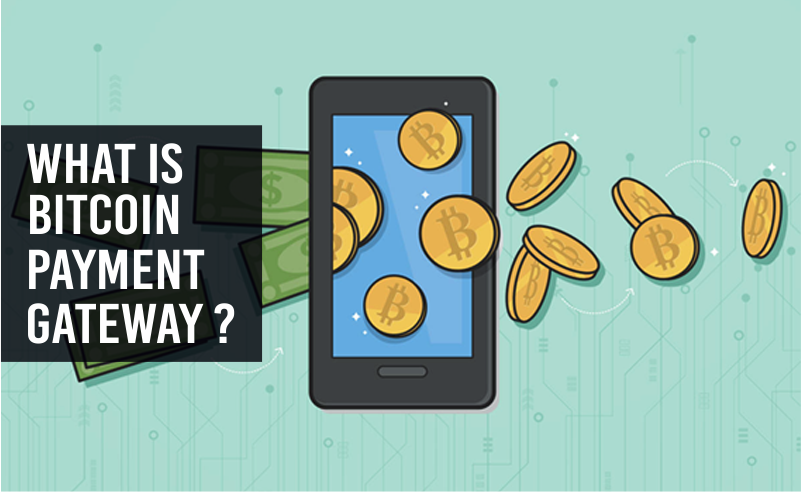
What is bitcoin payment gateway

The best Bitcoin payment gateways of 2025 offer a sophisticated suite of features for both small businesses and large enterprises. They’ve moved beyond simple transaction processing to provide a complete ecosystem for digital asset payments. Here are some of the top contenders.

BitPay:

Bitpay

A pioneer in the space, BitPay remains a leader due to its robust security, extensive API, and integration with major e-commerce platforms like Shopify and WooCommerce. It’s a go-to for established businesses that prioritize reliability and compliance.

Coinbase Commerce:

Backed by one of the most trusted names in crypto, Coinbase Commerce is popular for its user-friendly interface and ease of setup. It’s a great choice for small businesses that want to start accepting a variety of cryptocurrencies without extensive technical knowledge.

NOWPayments:

Easiest Way to Accept Crypto Payments

This non-custodial gateway is known for its wide support of over 300 cryptocurrencies and low fees, making it a flexible and affordable option for businesses of all sizes. Its a strong contender for a cheap Bitcoin payment gateway.

CoinGate:

With support for over 70 digital currencies and a variety of plugins, CoinGate is a versatile gateway suitable for both online and offline businesses. It’s particularly strong for European merchants, offering fiat payouts in multiple currencies.

OpenNode:

Bitcoin Payments Bank of Bahrain

Specializing in the Bitcoin Lightning Network, OpenNode is the top choice for instant Bitcoin payments. It’s ideal for businesses with high transaction volumes or those that need to accept microtransactions with near-zero fees.

Key Features to Look for in a Crypto Payment Gateway

Choosing the right cryptocurrency payment gateway for your business in 2025 depends on your specific needs. Look for these crucial features:

  • Ease of Integration: The best gateways offer pre-built plugins for popular e-commerce platforms like Shopify and WooCommerce, simplifying the setup process.
  • Auto-Conversion: To protect against market volatility, many gateways offer the option to automatically convert incoming crypto payments into a stablecoin or fiat currency like USD or EUR. This is a must for any crypto payment gateway for e-commerce.
  • Low Fees: Transaction fees can vary, so it’s essential to compare providers. Some charge a flat percentage per transaction, while others may have monthly fees or withdrawal limits.
  • Security and Compliance: Given the nature of crypto, security is paramount. Look for gateways with robust security protocols, fraud prevention tools, and a track record of reliability.
  • Customer Support: When an issue arises, you need reliable support. The best services offer 24/7 customer assistance.

The Benefits of Accepting Bitcoin Payments in 2025

The reasons to accept Bitcoin payment and other cryptocurrencies have become even more compelling since 2020.

  • Broader Customer Base: You can tap into a global community of crypto enthusiasts who prefer to pay with digital assets.
  • Lower Fees: Transaction fees are often significantly lower than those charged by traditional payment processors like credit card companies, directly increasing your profit margins.
  • Reduced Chargebacks: Unlike credit card payments, crypto transactions are irreversible, eliminating the risk of chargebacks and associated fraud.
  • Instant Global Reach: You can accept payments from anywhere in the world without worrying about cross-border fees or delays.

The best Bitcoin payment gateways are more than just a checkout button; they are a bridge to a new and growing economy.

FAQs

Q1: What is the difference between a custodial and non-custodial gateway?

A1: With a custodial gateway, the company holds your private keys and manages your funds for you, often converting them to fiat before sending them to your bank. With a non-custodial gateway, you maintain full control of your keys and funds, and payments are sent directly to your wallet. Non-custodial options are generally considered more secure but require more user responsibility.

Q2: Can a Bitcoin payment gateway process other cryptocurrencies?

A2: Yes. While they are often called “Bitcoin payment gateways,” most of the top providers in 2025 support a wide range of cryptocurrencies, including Ethereum, Litecoin, and various stablecoins. This allows you to cater to a broader range of crypto users.

Q3: How do I protect my business from crypto volatility?

A3: Most crypto payment gateways for e-commerce offer an auto-conversion feature. This allows you to receive payments in crypto and have the gateway instantly convert them to fiat currency or stablecoins. This way, you lock in the value of the sale at the time of the transaction, protecting you from any subsequent market downturns.

Q4: Do these gateways integrate with my existing point-of-sale (POS) system?

A4: Many of the leading gateways, such as BitPay and CoinGate, offer solutions for both online and offline businesses. They provide POS apps or terminals that can be used in a physical retail store, allowing you to seamlessly accept crypto payments from customers in person.

How to Buy Bitcoin with PayPal in 2025: A Complete Guide

how to buy bitcoin with paypal

Since 2020, PayPal has evolved from a simple payment processor to a major player in the cryptocurrency space. The question, “how to buy Bitcoin with PayPal,” has never been more relevant or straightforward. This updated 2025 guide provides a complete overview of the process, from using PayPal’s native crypto service to leveraging third-party exchanges. Whether you’re a beginner or a seasoned investor, we’ll cover the simplest, safest, and most efficient ways to acquire BTC using your PayPal account.

Method 1: Buying Bitcoin Directly on PayPal

In a major shift from a few years ago, PayPal now offers a direct cryptocurrency buying, selling, and holding service. This is by far the easiest way for new users to get started.

Step-by-Step Guide:

  1. Log in to Your PayPal Account: Ensure your account is verified and has a linked bank account or debit card.
  2. Navigate to the Crypto Section: On your PayPal dashboard, you’ll find a dedicated “Crypto” or “Finances” section.
  3. Choose Bitcoin: Select Bitcoin (BTC) from the list of supported cryptocurrencies.
  4. Enter Your Amount: Input the amount of Bitcoin you wish to buy. PayPal allows you to start with as little as $1. You can also set up recurring buys for dollar-cost averaging.
  5. Review and Buy: Confirm your payment method (PayPal balance, bank account, or debit card) and complete the transaction.

Pros & Cons of Using PayPal Directly:

  • Pros: It’s incredibly simple, fast, and uses a platform you already trust. It’s ideal for buying crypto with PayPal instantly without the hassle of opening a new exchange account.
  • Cons: You cannot send your Bitcoin to an external wallet, as PayPal holds your keys. This means you don’t have full control of your private keys and are limited in how you can use Bitcoin.

Method 2: Using a Third-Party Crypto Exchange with PayPal

For those who want more control and the ability to send their Bitcoin to an external wallet, using a third-party crypto exchange is the best option. Several major platforms now accept PayPal as a payment method through a partnership with payment gateways.

Step-by-Step Guide:

  1. Choose a Reputable Exchange: Select one of the best platforms to buy Bitcoin with PayPal that offers this payment option. Popular choices in 2025 include MoonPay and BitPay, which are integrated with various crypto exchanges and wallets.
  2. Create and Verify an Account: Sign up for an account on the chosen platform and complete the required identity verification (KYC) process.
  3. Initiate a Purchase: Navigate to the “Buy Crypto” section and select Bitcoin.
  4. Select PayPal as Payment Method: When prompted for a payment method, choose PayPal. You will be redirected to PayPal’s website to log in and authorize the transaction.
  5. Provide a Wallet Address: This is a key difference from PayPal’s native service. You will need to provide a Bitcoin wallet address where you want to receive your coins.
  6. Confirm and Receive: Once the transaction is confirmed, the Bitcoin will be sent directly to your specified wallet.

Best Platforms to Use in 2025:

  • MoonPay: Widely integrated across many wallets and exchanges, MoonPay makes buying Bitcoin with PayPal through crypto exchange seamless.
  • BitPay: A veteran in the crypto payments space, BitPay’s app and services allow for straightforward Bitcoin purchases with PayPal.
  • eToro: A trading platform that has long supported PayPal as a funding method for trading cryptocurrencies.

Crypto vs. PayPal: Key Differences

While PayPal now offers crypto services, it’s crucial to understand the fundamental difference. When you buy Bitcoin on PayPal, you are essentially buying a beneficial interest in the crypto, with PayPal acting as the custodian. This is similar to a brokerage holding a stock for you.

When you buy crypto with PayPal on a third-party exchange and send it to your private wallet, you own the asset outright. This is known as non-custodial ownership, and it gives you true control over your funds.

For beginners, PayPal’s native service is an easy entry point. For those who want to be true crypto owners, the third-party exchange method is the way to go.

FAQs

Q1: What are the fees for buying Bitcoin on PayPal?

A1: PayPal charges a fee for buying and selling cryptocurrency, which includes a spread or margin on the exchange rate. These fees are tiered, with higher transaction amounts having a lower fee percentage. Always check the final transaction details before confirming your purchase to see the exact fee.

Q2: Is my crypto safe on PayPal?

A2: Your crypto on PayPal is subject to PayPal’s security measures. While PayPal is a highly secure platform, it is a custodial service, meaning they hold your private keys. The crypto you buy there is not in your direct control. For maximum security, it is always recommended to use a hardware wallet and a non-custodial service.

Q3: Can I send my Bitcoin from PayPal to an external wallet?

A3: Yes, in 2025, PayPal supports the transfer of crypto between PayPal accounts and to and from other supported wallets and exchanges. This feature was rolled out to eligible users after 2020. However, always check the current terms and conditions, as there may be geographical or other restrictions.

Q4: Can I use a credit card to buy Bitcoin with PayPal?

A4: No, PayPal’s own cryptocurrency service does not allow the use of a credit card to buy crypto. You can only use your PayPal balance, a linked debit card, or a bank account. Some third-party exchanges may allow a credit card to be linked to your PayPal account, but this can incur higher fees and may be treated as a cash advance by your card issuer.

Cryptocurrency Index Funds: A 2025 Guide for Smarter Investing 📈

List of best cryptocurrency index funds

In 2020, investing in cryptocurrency index funds was a concept reserved for accredited investors and private funds. Fast forward to 2025, and this investment vehicle has transformed, becoming a cornerstone of many diversified portfolios. The approval of spot Bitcoin ETFs and Ethereum ETFs in major markets has made it easier than ever to gain broad exposure to the crypto market without the complexities of direct ownership. This updated guide explains how crypto index funds work, explores the best crypto ETFs, and provides essential insights for both new and experienced investors.

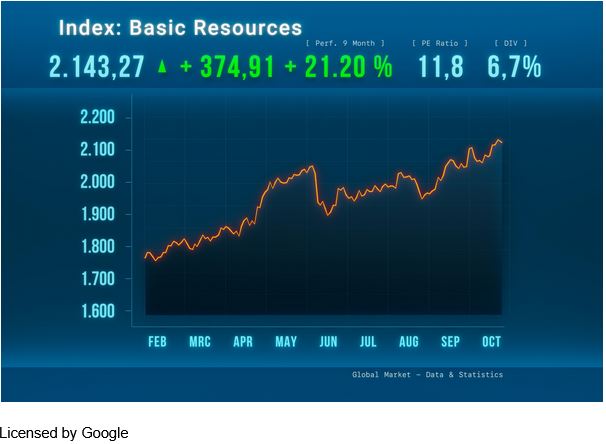
What Are Cryptocurrency Index Funds and How Do They Work?

index basic resources

A cryptocurrency index fund is an investment product, often structured as an Exchange-Traded Fund (ETF), that tracks the performance of a specific index of cryptocurrencies. Just like the S&P 500 tracks the top 500 US stocks, a crypto index fund holds a basket of digital assets according to a predefined methodology. This could be based on market capitalization, specific sectors (like decentralized finance or AI tokens), or a combination of factors.

The fund manager’s role is passive; they simply ensure the fund’s holdings match the index’s composition. This passive approach often results in lower management fees compared to actively managed funds. By investing in a single fund, you instantly gain diversified exposure, reducing the risk associated with investing in a single, volatile cryptocurrency.

Key Benefits of Investing in Crypto Index Funds in 2025

The rise of publicly traded crypto index funds and ETFs has made this a compelling investment for several reasons:

  • Diversification: The primary benefit of crypto index investing is that it spreads your risk across multiple assets. If one cryptocurrency in the index performs poorly, the impact on your overall portfolio is cushioned by the performance of the others.
  • Simplicity and Accessibility: You can buy and sell shares of these funds through a traditional brokerage account, just like a stock. This eliminates the need to use crypto exchanges, manage private keys, or worry about the security of a personal wallet. This is a game-changer for investing in crypto without buying crypto directly.
  • Liquidity: Publicly traded funds and ETFs are highly liquid, meaning you can easily buy or sell shares at any time during market hours.
  • Cost-Effectiveness: Due to their passive management style, crypto index funds generally have lower expense ratios than actively managed funds or private investment vehicles.

A Look at the Best Crypto ETFs and Funds in 2025

The market for crypto index funds and ETFs has exploded, offering investors a range of options. While the top performers and new launches are constantly changing, here are some of the most prominent types and examples as of 2025:

  • Broad Market ETFs: These funds, such as the Bitwise 10 Crypto Index Fund (BITW), aim to track the performance of the overall crypto market by holding a portfolio of the largest and most liquid cryptocurrencies, typically by market capitalization.
  • Spot ETFs: The approval of spot Bitcoin ETFs (like BlackRock’s IBIT and Fidelity’s FBTC) and spot Ethereum ETFs has revolutionized the market. These funds hold the actual underlying cryptocurrency, directly tying their value to the asset’s real-time price.
  • Thematic Funds: A new trend in 2025 is the emergence of thematic index funds that focus on specific crypto sectors, such as Decentralized Finance (DeFi) ETFs, metaverse ETFs, or funds tracking blockchain infrastructure projects. These allow investors to target high-growth niches.

Risks and Considerations for Crypto Index Investing

While they offer many advantages, cryptocurrency index funds are not without risks.

  • Volatility: The underlying crypto market is extremely volatile. Even a diversified fund can experience significant price swings in a short period.
  • Market Dependency: An index fund’s performance is tied to its underlying index. You cannot “outperform” the market by holding a fund; you will only match its returns (minus fees).
  • Fees: While lower than actively managed funds, the expense ratios of crypto ETFs can be higher than those of traditional stock index funds. These fees can eat into your long-term returns.
  • No Direct Ownership: You don’t own the actual crypto in the fund. This means you can’t stake it, use it for payments, or interact with decentralized applications (dApps).

Conclusion: Is a Crypto Index Fund Right for You?

For the average investor, cryptocurrency index funds offer a simple, secure, and diversified way to gain exposure to a historically complex asset class. The advancements of 2025, particularly the widespread availability of crypto ETFs, have lowered the barrier to entry significantly. While they do not eliminate the risks of the crypto market, they provide a structured approach that can reduce volatility and simplify the investment process. For those looking to add crypto to their portfolio without becoming an expert in blockchain technology, crypto index funds are arguably the smartest and safest entry point today.

FAQs

Q1: What’s the main difference between a crypto index fund and a crypto ETF?

A1: The terms are often used interchangeably in the context of publicly traded products. An ETF (Exchange-Traded Fund) is a type of fund that trades on a stock exchange like a stock. A crypto index fund is an ETF that specifically follows a crypto-based index. In essence, a crypto ETF is a type of crypto index fund.

Q2: Can I get exposure to altcoins with a crypto index fund?

A2: Yes. Many crypto index funds and ETFs are not limited to Bitcoin and Ethereum. Funds like the Bitwise 10 Crypto Index Fund track a basket of the largest cryptocurrencies by market cap, which typically includes prominent altcoins like Solana, Cardano, and Polkadot, among others. There are also thematic funds that focus exclusively on specific altcoin sectors.

Q3: Are crypto index funds a safe investment?

A3: While crypto index funds are a safer way to gain exposure to the crypto market than buying a single volatile asset, they are not without risk. Their value is directly tied to the highly volatile cryptocurrency market, meaning you could still lose a significant portion of your investment during a downturn. They are subject to market, regulatory, and technical risks, so always do your own research and only invest what you can afford to lose.

Q4: Do crypto index funds pay dividends?

A4: Generally, no. Unlike some stocks, cryptocurrencies do not pay dividends in the traditional sense. Therefore, crypto index funds do not provide dividend payments. Your returns are based purely on the appreciation or depreciation of the underlying assets within the fund.


Crypto Margin Trading in 2025: A Guide to Platforms, Strategies, and Safety

list of the best crypto margin

Crypto margin trading has evolved from a high-risk, fringe activity to a mainstream financial tool for a growing number of traders. In 2025, with institutional adoption and clearer regulatory frameworks emerging, understanding this powerful but complex trading method is more critical than ever. This comprehensive guide will explain what crypto margin trading is, explore effective strategies, and highlight the best crypto margin trading exchanges available today.

What is Crypto Margin Trading?


what is margin trading


Margin trading is the practice of using borrowed funds from a third party (an exchange or another trader) to trade a financial asset. In the crypto world, this allows you to open positions much larger than your initial capital. The amount you put up is called the margin, and the borrowed funds are the leverage.

For example, with 10x leverage, a trader can open a $10,000 position with just $1,000 of their own money. This amplifies both potential profits and losses. While it offers a powerful way to magnify gains in a volatile market, it also introduces the risk of liquidation, where the exchange automatically closes your position if the market moves against you to prevent you from losing more than your initial margin.

Best Crypto Margin Trading Exchanges (2025)

Choosing the right platform is critical for success in margin trading. The best crypto margin trading exchanges in 2025 are those that offer a combination of high liquidity, robust security, a wide range of trading pairs, and powerful tools.

Binance

Binance, Best crypto margin trading platform

Binance remains the undisputed leader in volume and liquidity. It offers a huge selection of trading pairs and high leverage, making it a go-to for experienced traders. Its sheer size provides a reliable trading environment.

ByBit

Bybit

A strong competitor known for its user-friendly interface and a focus on derivatives. Bybit has gained a reputation for its reliability and excellent customer support, making it a top choice for both new and advanced traders.

Kraken


kraken

A long-standing and highly trusted exchange, Kraken is an excellent choice for those prioritizing security and regulatory compliance. While it may not offer the highest leverage, its stability and reputation make it a safe haven for traders.

OKX

OKX Tradingview

A popular platform offering a vast range of products, including derivatives, options, and a wide selection of cryptocurrencies. OKX is known for its advanced trading tools and competitive fees.

Bitget

A rising star in the derivatives space, Bitget has gained popularity with its copy trading feature, which allows users to automatically follow the trading strategies of top performers.

A Look at Crypto Margin Trading Strategy

A successful crypto margin trading strategy isn’t just about using high leverage; it’s about disciplined risk management and a clear plan. .

  1. Risk Management: This is the most important element. Always use stop-loss orders to automatically close a position if the price moves against you. Never risk more than a small percentage of your total trading capital on a single trade.
  2. Isolated vs. Cross Margin: Most platforms offer two types of margin. Isolated margin dedicates a specific amount of capital to a single position, limiting your potential loss to that amount. Cross margin uses your entire account balance as collateral, which can help prevent liquidation but also puts your entire portfolio at risk.
  3. Technical Analysis: Use technical indicators like the Relative Strength Index (RSI), Moving Average Convergence Divergence (MACD), and Moving Averages (MA) to inform your decisions. A good strategy often involves combining these tools to confirm a trend or signal a reversal.
  4. Start Small: For those just starting out, it’s essential to begin with small position sizes and low leverage. This allows you to get a feel for the market and the platform without risking significant capital.

Is Crypto Margin Trading Safe?

The question of whether crypto margin trading is safe is a matter of perspective and risk tolerance. While it has the potential for amplified gains, it also carries the risk of magnified losses and liquidation. Unlike spot trading where you only lose your initial investment, a margin trade can lead to the loss of your entire collateral in a matter of minutes. In 2025, regulatory bodies are increasingly scrutinizing leveraged products, and some jurisdictions have placed restrictions on the amount of leverage offered. It’s crucial to use only reputable crypto margin trading exchanges and to be fully aware of the risks involved.

Conclusion

Crypto margin trading is a powerful and accessible tool for navigating the volatile crypto markets of 2025. By understanding the core mechanics, implementing a solid crypto margin trading strategy, and using a reliable and secure platform, traders can potentially amplify their returns. However, it’s not a path to guaranteed riches. It requires discipline, continuous learning, and a deep respect for the inherent risks. For those ready to take on the challenge, the rewards can be significant.

FAQs

Q1: What’s the main difference between spot trading and margin trading?

A1: In spot trading, you buy and sell cryptocurrencies with your own funds, and your potential loss is limited to your initial investment. In margin trading, you borrow funds to amplify your position, which can lead to higher profits but also the risk of losing more than your initial investment if you get liquidated.

Q2: How do I choose the right leverage ratio?

A2: The right leverage ratio depends on your risk tolerance and experience. For beginners, it’s highly recommended to start with low leverage (e.g., 2x or 3x) to get a feel for the market’s volatility and the liquidation process. Experienced traders may use higher leverage, but they do so with strict risk management rules and stop-loss orders.

Q3: Can I lose more than my initial margin?

A3: Most reputable crypto margin trading exchanges have a built-in safety mechanism to prevent this. Your position is automatically liquidated before your balance falls into a negative value, meaning you typically can’t lose more than the collateral you’ve put up for that specific trade. However, in extremely volatile and fast-moving markets, slippage can occur, and you could potentially lose more than anticipated.

Q4: Is margin trading legal in my country?

A4: The legality of crypto margin trading varies significantly by jurisdiction. Many countries have implemented strict regulations on leveraged products due to their high-risk nature. For example, some regions have banned it entirely, while others have capped the maximum leverage available to retail traders. Always research your local regulations and ensure you are trading on a compliant exchange in your region.

Guarda Wallet Review 2025: A Comprehensive Look at Security, Features, and Usability

guarda wallet

The cryptocurrency wallet landscape has matured significantly since 2020, with users now demanding a perfect balance of security, usability, and advanced features. Among the top contenders, Guarda Wallet has consistently evolved to meet these needs, positioning itself as a leading multi-currency crypto wallet for a diverse user base. This updated Guarda Wallet review for 2025 provides a deep dive into its core functionalities, security protocols, and overall performance, helping you determine if it’s the right choice for your digital assets.

What is a Guarda Wallet? Your Non-Custodial Solution

Guarda is a non-custodial crypto wallet that gives you full control over your private keys. Unlike a centralized exchange, which holds your keys for you, Guarda ensures that your funds are truly yours with the mantra: “Not your keys, not your coins.” This crucial feature is at the heart of Guarda’s security model, as it significantly reduces the risk of hacks or losses from a centralized point of failure. The wallet is available across multiple platforms, including desktop, mobile, and web, offering seamless synchronization for on-the-go management.

Key Features and Functionality in 2025


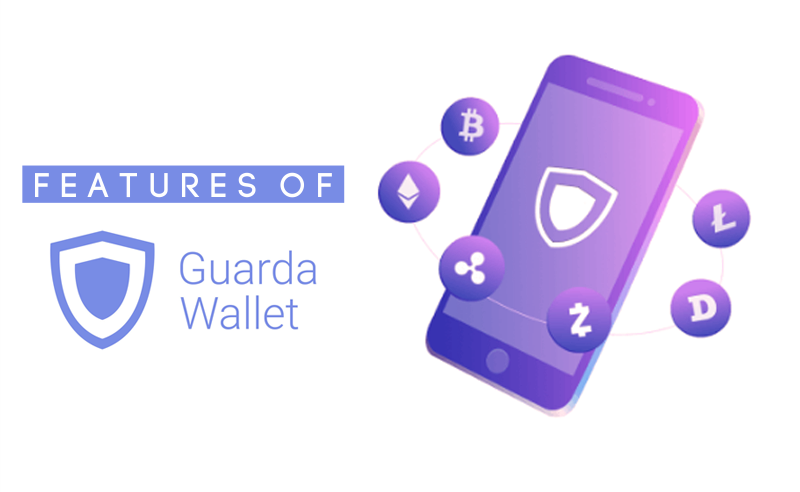
Features of guarda wallet


  • Guarda Wallet has expanded its offerings to become more than just a storage solution. It’s now a comprehensive suite for all your crypto needs.
    • Multi-Currency and Token Support: In 2025, Guarda supports an impressive array of over 400,000 digital assets across more than 50 blockchains. This makes it a great universal crypto wallet for managing a diversified portfolio without the need for multiple applications.
    • Built-in Exchange and Purchases: One of the standout features is the integrated exchange service, allowing you to buy, sell, and swap crypto directly within the wallet. This provides a convenient way to manage your portfolio without the hassle of transferring funds to a separate exchange.
    • Staking and Passive Income: For users interested in earning passive income, Guarda offers direct staking for several PoS cryptocurrencies. This feature allows you to participate in network security and earn rewards with just a few clicks, making it a compelling option for those looking to grow their holdings.
    • Hardware Wallet Integration: For an extra layer of security, Guarda provides seamless integration with Ledger hardware wallets. This allows you to use the user-friendly Guarda interface for managing transactions while keeping your private keys safely in offline cold storage.

    Security and Privacy: Is Guarda Wallet Safe?


Is guarda wallet safe


The question, “Is Guarda Wallet safe?” is a primary concern for any user. Guarda’s security model is built on several key pillars:

  1. Non-Custodial: As mentioned, you hold your private keys, which are encrypted and stored locally on your device. Guarda’s servers never have access to them.
  2. No KYC Required: The wallet’s core functionalities do not require a KYC (Know Your Customer) process, preserving your privacy.
  3. Encrypted Backups: Guarda provides encrypted backup options, ensuring that you can restore your wallet if your device is lost or damaged.
  4. Hardware Wallet Support: The ability to connect a Ledger device provides enterprise-level security for your most valuable assets.

While no wallet is completely immune to risks, particularly those related to user error (e.g., losing your seed phrase), Guarda’s focus on non-custodial principles and strong encryption makes it a highly secure choice.

Fees, Customer Support, and Usability

Guarda Wallet is free to download and use, but you will encounter fees for services like its built-in exchange, which are competitive with other similar platforms. It’s crucial to check these fees before making a transaction. Customer support is available 24/7, and while some users have reported slow response times, the service is generally considered reliable. The user-friendly crypto wallet design, with its intuitive interface and multi-platform availability, makes it easy for both newcomers and experienced crypto enthusiasts to manage their assets efficiently.

Conclusion: Is Guarda Still Worth It in 2025?

In 2025, Guarda Wallet remains a powerful and versatile tool for managing a diverse crypto portfolio. Its commitment to non-custodial security, combined with a comprehensive suite of features like built-in exchange, staking, and hardware wallet integration, solidifies its position as a top-tier option. For those seeking a secure, convenient, and user-friendly crypto wallet that puts you in full control of your keys, Guarda is an excellent choice that has proven its longevity and adaptability in the fast-paced world of cryptocurrency.

FAQs

Q1: What does “non-custodial” mean for my crypto wallet?

A1: A non-custodial crypto wallet means you are the sole owner and have full control of your private keys. Unlike a custodial wallet (like a centralized exchange), the wallet provider never has access to your funds. This places the responsibility of security entirely on you, which is why it’s essential to back up your seed phrase securely.

Q2: Can I buy crypto with a credit card on Guarda? 

A2: Yes, you can. Guarda integrates with third-party services like Simplex and Guardarian to allow users to purchase cryptocurrency directly with a credit/debit card, bank transfer, or other fiat payment methods. This makes it easy for newcomers to get started without needing to go to a separate exchange first.

Q3: How does Guarda Wallet’s staking feature work? 

A3: Guarda’s staking feature allows you to earn passive income by delegating your PoS (Proof of Stake) assets to a validator on the network. Guarda takes care of the technical process, and you receive a portion of the rewards earned by the validator. This is a secure way to participate in network validation without the complexities of running your own node.

Q4: Is Guarda better than a hardware wallet? 

A4: Guarda is a software wallet, while hardware wallets like Ledger are physical devices. Hardware wallets are considered the gold standard for long-term cold storage because they keep your private keys completely offline. Guarda offers an excellent balance of convenience for day-to-day transactions and high security, and it can be used in tandem with a Ledger wallet for maximum protection. The best approach for many is to use a hardware wallet for long-term holdings and a software wallet like Guarda for active trading and smaller amounts.


Cryptocurrency vs. Digital Currency: A 2025 Guide

Report: India Cenbank May Launch Digital Currency Pilot Next Year

The terms “cryptocurrency” and “digital currency” are often used interchangeably, but in 2025, it’s more important than ever to understand the key difference between cryptocurrency and digital currency. While all cryptocurrencies are a form of digital currency, not all digital currencies are cryptocurrencies. The distinction lies in their fundamental technology, control, and purpose. This guide will clarify the core differences and provide a clear overview for beginners navigating the digital asset landscape.

Understanding Digital Currency

A digital currency is any form of currency that exists exclusively in electronic form. It has no physical form like cash or coins. This is a very broad category that includes a wide range of electronic money.

  • Centralized Digital Currencies: This is the most common form. It includes the digital money in your bank account, which is centrally controlled by banks and governments. It also includes forms of electronic money like PayPal balances or gift card credits. The most relevant type in 2025 is a Central Bank Digital Currency (CBDC), which is a digital version of a country’s fiat currency, issued and controlled by its central bank.
  • Decentralized Digital Currencies: This is where cryptocurrencies fit in.

In essence, a digital currency is simply a digitized version of money, whether it’s issued by a government or a private company.

What Makes a Cryptocurrency Different?

A cryptocurrency is a specific type of digital currency that uses cryptography to secure transactions and is built on a decentralized network, typically a blockchain. . This decentralized structure means there is no central authority, like a bank or government, controlling the currency.

  • Decentralization: This is the defining feature. Unlike a CBDC, a cryptocurrency like Bitcoin is not issued or controlled by any single entity. Its rules are governed by a network of computers.
  • Cryptography: Transactions are secured using complex encryption, which makes them nearly impossible to counterfeit or double-spend. This is where the “crypto” in cryptocurrency comes from.
  • Blockchain Technology: Most cryptocurrencies operate on a blockchain, a distributed, public ledger that records all transactions. This provides transparency and immutability.

The Pros and Cons: Cryptocurrency vs. Digital Currency

The choice between a cryptocurrency vs digital currency depends on what you value in a financial system.


Cryptocurrency Value and Cryptocurrency vs. Stocks

The cryptocurrency value is highly volatile and driven by market speculation, supply and demand, and technological developments. This is in stark contrast to stocks, which represent ownership in a company and have a value based on the company’s performance, assets, and future earnings.

For beginners, this is a critical distinction to understand. While cryptocurrency vs. stocks both offer investment opportunities, they are fundamentally different asset classes. Stocks are generally less volatile and backed by tangible business fundamentals, while the cryptocurrency value is often more speculative. This makes stocks more suitable for long-term, low-risk investors, while crypto is better for those with a higher risk tolerance.

Conclusion: Cryptocurrency for Beginners

For anyone new to the space, the best approach is to understand that cryptocurrency vs digital currency are not the same thing. Start with the basics: digital currency is a broad category of electronic money, while cryptocurrency is a subset defined by its decentralized, cryptographic nature. If you’re considering an investment, remember that cryptocurrency value is highly volatile and unlike that of traditional assets like stocks. Always start small, do your own research, and never invest more than you can afford to lose. The world of crypto is exciting, but it requires caution and a solid understanding of its unique characteristics.

FAQs

Q1: Is a Central Bank Digital Currency (CBDC) a cryptocurrency?

A1: No, a CBDC is not a cryptocurrency. While both are digital, a CBDC is a centralized digital version of a country’s fiat currency, issued and controlled by a central bank. A cryptocurrency is decentralized and not controlled by any single authority.

Q2: What gives cryptocurrency its value?

A2: A cryptocurrency’s value is primarily driven by supply and demand. Unlike fiat currencies backed by a government, or stocks backed by a company’s assets, cryptocurrency value is based on its utility, its network’s security, its community’s trust, and market speculation.

Q3: Is cryptocurrency a good investment for a beginner?

A3: For a beginner, cryptocurrency can be an exciting but very risky investment. Its high volatility means prices can change dramatically, offering both the potential for high returns and significant losses. It’s crucial for beginners to understand these risks, start with a small amount of money they are willing to lose, and focus on well-established cryptocurrencies.

Q4: Is it safer to invest in stocks than cryptocurrency?

A4: Generally, yes. Stocks are regulated and their value is tied to a company’s performance, making them a more stable and less volatile investment than most cryptocurrencies. While stocks still carry risk, cryptocurrencies are more susceptible to extreme price swings, hacks, and regulatory uncertainty.

Best Free Crypto Charts with Indicators: A 2025 Guide

crypto charts

In 2025, cryptocurrency trading has evolved far beyond simple buying and holding. To make informed decisions, traders of all skill levels rely on powerful charting tools to analyze market trends and identify potential opportunities. The good news is you don’t need to spend a fortune to access professional-grade analytics. This guide will walk you through the best free crypto charts with indicators, providing you with the tools you need to succeed. We’ll cover everything from the industry standard to specialized platforms, so you can find the perfect fit for your trading style.

The Importance of Crypto Charts and Indicators

Crypto charts are visual representations of an asset’s price movement over time. They are the foundation of technical analysis, allowing traders to spot patterns and trends. But a chart alone isn’t enough. Technical indicators are mathematical calculations based on a crypto’s price, volume, and open interest. They help traders gain deeper insights into market momentum, volatility, and potential reversals. Together, crypto charts live with indicators provide the real-time data needed to make timely and strategic trades.

Top Platforms for Free Crypto Charts with Indicators

While many platforms offer paid subscriptions for advanced features, their free versions are often more than enough for beginners and intermediate traders. Here are the top contenders:

1. TradingView: The Industry Standard

TradingView is hands-down the most popular and comprehensive charting platform available. Its charts are integrated into almost every major cryptocurrency exchange, making it a familiar sight for most traders.

  • Why it’s the best: The free plan offers a robust set of features, including a wide array of chart types (candlestick, bar, Heikin Ashi, etc.), dozens of built-in technical indicators (RSI, MACD, Moving Averages, Bollinger Bands), and advanced drawing tools. You can also save one chart layout and set one price alert.
  • Best for: Everyone, from beginners to seasoned traders. The intuitive interface and massive community make it an excellent starting point for anyone learning technical analysis.

2. CoinMarketCap & CoinGecko

These platforms are primarily known for tracking cryptocurrency prices and market data, but they also offer simple and effective charting tools.

  • Why they’re great: Their charts are a quick and easy way to get a live view of any crypto asset’s performance. While not as feature-rich as TradingView, they provide fundamental data like market cap, volume, and circulating supply directly on the chart, which is invaluable for a quick overview.
  • Best for: Investors who want a fast, no-frills way to check prices and performance without a deep dive into technical analysis.

3. Live Crypto Charts by Exchanges

Many top crypto exchanges, such as Binance, Bybit, and Kraken, offer their own built-in charting tools, often powered by TradingView.

  • Why they’re useful: These free crypto charts are seamlessly integrated with the exchange’s trading platform, allowing you to analyze the market and execute trades from the same window. The data is real-time and specific to that exchange’s order book, ensuring high accuracy for your trading decisions.
  • Best for: Active traders who want to analyze and trade on a specific exchange without switching between multiple platforms.

4. GoCharting

GoCharting is a strong alternative to TradingView that focuses on providing advanced tools for multi-asset trading.

  • Why it’s a good option: Its free plan offers real-time data and a solid selection of indicators and chart types. It’s particularly praised for its fast-loading charts and user-friendly interface.
  • Best for: Traders looking for an alternative with a clean interface and a slight edge in speed and responsiveness.

How to Use Free Crypto Charts with Indicators

Even the best live crypto charts won’t help you without a basic understanding of how to use them.

  1. Understand Chart Types: Start with the basics, like a candlestick chart. Each “candlestick” represents a period of time and shows the open, high, low, and closing prices.
  2. Learn Key Indicators: Familiarize yourself with a few key indicators.
    • Moving Averages (MA): These show the average price over a certain period and help identify trends.
    • Relative Strength Index (RSI): This momentum oscillator helps you determine if an asset is overbought or oversold.
    • Moving Average Convergence Divergence (MACD): This indicator reveals the relationship between two moving averages and helps spot trend changes.
  3. Practice on Paper: Before you start trading with real money, use a paper trading account (offered by TradingView and some exchanges) to test your strategies. This allows you to practice using free crypto charts with indicators in a risk-free environment.

Conclusion

In 2025, accessing high-quality crypto charts with indicators no longer comes with a high price tag. Platforms like TradingView offer powerful tools that rival paid software, while exchanges provide convenient, integrated charting for active trading. By combining these free crypto charts with a solid understanding of technical analysis, you can significantly improve your decision-making and navigate the dynamic world of cryptocurrency with confidence.

FAQs

Q1: What is the single best free crypto chart platform for beginners?

A1: TradingView is widely considered the best free platform for beginners. Its user-friendly interface, extensive library of educational content, and large community make it an ideal place to learn the fundamentals of technical analysis without any financial commitment.

Q2: Are free crypto charts reliable for trading?

A2: Yes, the data on most high-quality free crypto charts is pulled directly from major exchanges and is accurate for technical analysis. The primary difference between free and paid plans is often the number of indicators you can use simultaneously, the number of alerts you can set, and the availability of real-time data from a wider range of obscure markets.

Q3: Can I trade directly from these charting platforms?

A3: Some platforms, like TradingView, offer the ability to connect to your exchange account and execute trades directly from the chart. This feature is often part of their paid subscription plans. Many crypto exchanges, however, have their own built-in charting tools that allow for seamless analysis and trading.

Q4: What’s the difference between a free and a paid crypto chart service?

A4: While a free service provides essential charting and indicators, a paid plan typically offers more advanced features. This includes the ability to apply more indicators on a single chart, set a higher number of alerts, access more data feeds, and use premium features like custom scripts and backtesting tools. For most casual traders, a free plan is sufficient.

Proof of Work vs. Proof of Stake: The Ultimate 2025 Blockchain Showdown

difference between POS and POW blockchain protocols

In the world of blockchain technology, Proof of Work (PoW) and Proof of Stake (PoS) are the two dominant consensus mechanisms. They are the underlying algorithms that allow decentralized networks to validate transactions and secure the blockchain. While both serve the same fundamental purpose, they achieve it through vastly different means, each with its own set of trade-offs. This comprehensive guide will explain the difference between PoW and PoS blockchain protocols in 2025, providing a crucial overview for anyone interested in crypto, from investors to developers.

What is Proof of Work (PoW) Blockchain?

proof of work

A Proof of Work blockchain is secured by a network of “miners” who use powerful computers to solve complex mathematical puzzles. The first miner to solve the puzzle gets the right to validate a new block of transactions and is rewarded with newly minted cryptocurrency and transaction fees.

  • How it Works: This process is called “mining.” The sheer amount of computational power required makes it very expensive to attack the network, as a malicious actor would need to control over 50% of the network’s total computing power (a 51% attack).
  • Key Examples: The most famous PoW blockchain is Bitcoin (BTC). Others include Litecoin (LTC) and Monero (XMR).
  • 2025 Context: While a major point of criticism for PoW remains its high energy consumption, its long history and battle-tested security make it the most trusted and decentralized consensus mechanism for many.

What is Proof of Stake (PoS) Blockchain?

proof of stake

A Proof of Stake blockchain relies on a network of “validators” who lock up or “stake” a certain amount of cryptocurrency as collateral. The protocol then selects a validator to create a new block based on their stake size and other factors like a randomized selection process.

  • How it Works: Instead of competing with computational power, validators compete with their economic stake in the network. If a validator acts maliciously, they risk losing a portion of their staked assets, a process known as “slashing.”
  • Key Examples: The most significant PoS blockchain in 2025 is Ethereum (ETH), which transitioned from PoW to PoS in 2022. Other prominent PoS blockchains include Solana (SOL), Cardano (ADA), and Polkadot (DOT).
  • 2025 Context: PoS has become the preferred choice for new and scaling networks due to its superior energy efficiency and higher transaction throughput. It is seen as the key to solving the blockchain trilemma: a balance of scalability, security, and decentralization.

Proof of Work vs. Proof of Stake: A Side-by-Side Comparison

Understanding the PoW vs PoS blockchain debate requires a closer look at their key differences.

pos and pow screenshot

Why The Debate Continues in 2025

The difference between PoW and PoS is not just a technicality; it’s a philosophical divide.

  • The PoW Argument: Proponents of PoW argue that its reliance on physical energy expenditure creates a more secure and truly decentralized network. It’s permissionless—anyone can become a miner, and the cost of an attack is tied to real-world resources.
  • The PoS Argument: Proponents of PoS argue that its efficiency and scalability are necessary for blockchain to achieve mass adoption. They believe that economic incentives (staking) are just as effective at deterring attacks as energy consumption. The move of Ethereum from PoW to PoS has been a major validation of this position.

In 2025, both consensus models are co-existing and proving their value for different use cases. While PoW remains the dominant force in the store-of-value space, PoS is leading the charge in DeFi, gaming, and decentralized applications.

FAQs

Q1: Which blockchain is better, PoW or PoS?

A1: There is no single “better” blockchain; the choice depends on the specific use case and priorities. PoW (like Bitcoin) is valued for its unparalleled security and decentralization, making it ideal for a store of value. PoS (like Ethereum) is favored for its scalability and energy efficiency, making it better for fast, high-volume applications like decentralized finance (DeFi) and gaming.

Q2: Can a blockchain switch from Proof of Work to Proof of Stake?

A2: Yes, it is possible for a blockchain to switch from PoW to PoS, but it’s a massive, complex undertaking. The most prominent example is Ethereum, which successfully completed “The Merge” in 2022, transitioning its entire network from a PoW to a PoS consensus mechanism. This type of transition requires significant planning, coordination, and community support.

Q3: Is crypto mining or staking more profitable?

A3: The profitability of mining or staking depends on many factors, including electricity costs, hardware costs, and the current price of the cryptocurrency. Mining (PoW) can be very capital-intensive and less profitable for individuals due to high competition. Staking (PoS) can be more accessible and is often seen as a way to earn passive income, but the rewards are not guaranteed and are subject to market volatility.

Q4: Is a PoS blockchain more centralized than a PoW blockchain?

A4: This is a key point of debate. PoW is theoretically more decentralized because anyone can join as a miner, but in practice, mining power tends to be centralized in large mining pools. PoS is criticized for giving more power to those with the largest stake, which can lead to a concentration of control. However, many PoS networks use randomization and other mechanisms to ensure a fair selection of validators.

A-ADS: The Veteran Crypto Ad Network Betting on Privacy in a Data-Hungry World

a-ADS

Introduction

In an online economy where advertising has become synonymous with personal data collection, one network has consistently defied the trend. Founded in 2011, AADS (Anonymous Ads) is one of the world’s oldest crypto advertising platforms. At a time when Bitcoin was barely known outside niche forums, AADS launched with a mission: to provide publishers and advertisers with a simple, privacy-focused network that operated entirely on cryptocurrency.

Twelve years later, AADS is still alive. While many ad networks, especially in the crypto sector, have come and gone, AADS has quietly endured, maintaining a lean but loyal presence. Its longevity raises a question: could its privacy-first, crypto-native model find new relevance in an era when regulators, users, and even advertisers are rethinking the trade-offs of surveillance-based marketing?

1. The Evolution of Privacy and Advertising

1.1 A Decade Ahead of Its Time

When AADS was founded in 2011, the global digital advertising industry was already dominated by Google and Facebook. According to Statista, the global online advertising market was worth about $72 billion in 2011; today, it exceeds $600 billion. During this time, targeting has become increasingly granular, with companies collecting thousands of data points on individual users.

AADS chose another path from day one. It rejected cookies, tracking, and fingerprinting. Instead, it built its network around anonymity and Bitcoin payments, a radical idea at the time.

1.2 The Privacy Backlash

Today, privacy has become a mainstream issue. Research from Pew Research Center (2022) shows that 81% of Americans believe companies collect more data than necessary, and 72% say they feel little control over how it is used. Meanwhile, Apple’s App Tracking Transparency has wiped out an estimated $10 billion in ad revenues for platforms like Meta in its first year.

What AADS pioneered in 2011 : anonymous ads without surveillance, now looks aligned with growing regulatory and cultural shifts.

1.3 Trust Through Transparency

Another factor is trust. While major networks are constantly accused of click fraud and inflated impressions, AADS has kept its model simple: advertisers pay only for real impressions, and publishers get paid directly in Bitcoin. This transparency appeals to crypto-native users who already value decentralization and distrust middlemen.

2. AADS in Practice: How the Network Works

2.1 Publishers: Monetization Made Simple

For publishers, AADS offers a frictionless way to monetize traffic:


Integration time: less than 5 minutes.

  • Approval: none required.
  • Revenue model: impressions only (CPM).
  • Payments: directly in Bitcoin.

This simplicity has allowed thousands of small websites, many of which would never qualify for Google AdSense, to generate consistent revenue.

Banners remain the core format:

  • (728×90 leaderboard, typically at the top of a page)

  • (300×250 sidebar or article slot, adaptable to most layouts)

While visually basic, their appeal lies in ease of use. According to internal estimates shared on industry forums, publishers can earn anywhere from $0.10 to $2.00 per 1,000 impressions, depending on niche and region, modest but consistent for sites with regular traffic.

2.2 Advertisers: Targeting Crypto-Native Audiences

For advertisers, AADS provides access to a very specific demographic: crypto-savvy, tech-oriented users. This is not a mass-market audience, but it is highly relevant for exchanges, wallets, DeFi platforms, and NFT marketplaces.


Budget flexibility: campaigns can start at just a few dollars per day.


CPM rates: generally between $0.20 and $1.50 per thousand impressions.


Reach: according to third-party analytics, AADS serves tens of millions of impressions monthly across thousands of websites.

Unlike Google Ads or Facebook, advertisers do not get demographic targeting, but they gain access to an audience predisposed to digital assets.

👉 Those interested in launching campaigns can explore AADS’s advertiser section here: <a href=”https://aads.com/?partner=2407261“>Advertise with AADS</a>

2.3 Reliability and Longevity

The average lifespan of a crypto ad network is short. According to CoinTelegraph research, more than 70% of ICO-focused ad platforms launched in 2017 disappeared within two years. AADS, by contrast, has survived every major cycle, from Bitcoin’s first boom to the current Web3 wave.

This endurance is partly explained by its lean infrastructure: no expensive tracking systems, no regulatory exposure from storing personal data, and no over-reliance on a single revenue model.

3. The Market Context and the Future of Privacy Advertising

3.1 Competition in the Crypto Ad Space

AADS is not alone. Rivals like Coinzilla and CoinTraffic dominate larger exchanges and token launches, offering advanced targeting and more polished dashboards. Brave Ads, integrated into the Brave browser, has introduced a tokenized model where users earn rewards for seeing ads.

Yet, despite the sophistication of these competitors, many of them lack the simplicity and ideological alignment that AADS maintains. In fact, for smaller advertisers with limited budgets, AADS often provides a lower barrier to entry.

3.2 Numbers That Matter


  • Global digital ad spend (2023): ~$626 billion (Statista).
  • Crypto ad market (estimated 2022): ~$3 billion, with growth expected as Web3 matures.
  • Ad fraud cost worldwide (2022): ~$81 billion (Juniper Research).

Against this backdrop, AADS’s fraud-resistant, impression-only model looks like a safe haven for smaller advertisers seeking transparency.

3.3 Privacy as the Next Battleground

Industry observers predict that privacy will shape the next decade of digital advertising. With regulators tightening rules in the EU, U.S., and Asia, networks that avoid collecting data may actually face fewer compliance challenges.
AADS, by design, has little regulatory exposure: no personal data, no cookies, no storage of user identities. This makes it an unusual but potentially resilient model in the years ahead.

3.4 The Limits of the Model

Of course, AADS is not a replacement for Google Ads. It cannot deliver hyper-targeted campaigns, AI-driven bidding, or behavioral insights. For large corporations, this is a dealbreaker. But for crypto-native projects seeking a lean, anonymous, and global option, AADS remains relevant.

Conclusion

In a world where surveillance advertising generates billions but faces growing pushback, AADS stands out as a survivor from another era. Launched in 2011, it has defied the odds by staying true to a vision of privacy, crypto-native payments, and simplicity.

Its scale is small compared to industry giants, but its resilience is notable. AADS continues to provide publishers with Bitcoin income streams and gives advertisers direct access to crypto-savvy audiences.

As regulators crack down on data harvesting and users demand greater privacy, the industry may rediscover what AADS has quietly proven for over a decade: that there is space for anonymous, transparent, and crypto-powered advertising.

The Best Proof of Stake Coins in 2025: Your Guide to Staking and Passive Income

What is proof of stake

The cryptocurrency landscape has been redefined by the rise of Proof of Stake (PoS) as the dominant consensus mechanism. In 2025, PoS has moved beyond being a simple alternative to Proof of Work; it is now the backbone of the most innovative and scalable blockchain networks. This updated guide will explore the best Proof of Stake coins, focusing on those that offer not only high staking rewards but also robust utility and a strong future outlook. Whether you’re a seasoned investor or a beginner looking to earn passive income, understanding these top PoS coins is essential.

What is Proof of Stake (PoS)?

Proof of Stake is a consensus mechanism that secures a blockchain by requiring users to “stake” or lock up a certain amount of their cryptocurrency. In return, they get a chance to validate new transactions and earn rewards. Unlike Proof of Work, which relies on energy-intensive mining rigs, PoS is highly energy-efficient and scalable, making it a sustainable choice for modern blockchain development.

Staking on PoS networks offers a unique way for investors to earn passive income. By participating in a network’s security, you can earn rewards in the form of new coins or transaction fees. This makes PoS coins for staking a popular choice for those looking to generate yield on their crypto holdings.

Top Proof of Stake Coins in 2025

The following list of best PoS coins in 2025 includes projects with strong fundamentals, high liquidity, and competitive staking rewards.

1. Ethereum (ETH)

Following its transition to PoS, Ethereum remains the undisputed leader in the decentralized finance (DeFi) and smart contract space. It is the most dominant platform for DApps and NFTs. Staking Ethereum, while requiring a minimum of 32 ETH for a solo validator node, is accessible to most through staking pools and centralized exchanges. Staking ETH is considered a cornerstone of any serious staking portfolio.

2. Solana (SOL)

Known for its lightning-fast transaction speeds and low fees, Solana is a top contender in the PoS space. Its hybrid consensus model, which includes a unique Proof of History (PoH) mechanism, makes it highly scalable. Solana offers competitive staking rewards, and its growing ecosystem of applications in gaming and DeFi makes it an attractive investment.

3. Polkadot (DOT)

Polkadot is a multi-chain network designed to connect different blockchains. Its Nominated Proof of Stake (NPoS) model allows token holders to nominate validators, a key feature for network security. Polkadot offers some of the highest staking rewards in the market, making it one of the best PoS coins for staking for those seeking high APY.

4. Cardano (ADA)

Cardano is a research-driven PoS blockchain known for its academic rigor and focus on long-term sustainability. It offers a secure and scalable platform for smart contracts. Cardano’s staking process is user-friendly, allowing users to delegate their ADA to a staking pool without ever needing to lock their funds, which makes it a great option for beginners.

5. Avalanche (AVAX)

Avalanche is a highly performant and scalable platform for building decentralized applications. Its unique subnet architecture allows for the creation of custom blockchains with their own rules. Avalanche offers excellent staking yields and a rapidly expanding ecosystem, making it a compelling choice for investors.

6. Cosmos (ATOM)

Cosmos is a network of independent blockchains designed to enable interoperability. Its goal is to create an “internet of blockchains” that can communicate with each other. Staking ATOM is essential for the network’s security and provides some of the most competitive rewards in the entire PoS landscape.

How to Choose the Right PoS Coin for You

When selecting from the list of proof of stake cryptocurrencies, consider more than just the advertised Annual Percentage Yield (APY) or staking rewards.

  • Risk vs. Reward: Higher APY often comes with higher risk, especially from newer, less-established projects.
  • Utility & Development: The long-term value of a PoS coin is tied to its utility. Look for a project with a vibrant developer community, real-world use cases, and strong fundamentals.
  • Staking Method: You can stake by running your own validator node (requires a high minimum stake and technical knowledge), using a centralized exchange (easy, but you don’t control your keys), or via a staking pool (a balance of convenience and decentralization).
  • Lock-Up Periods: Some coins require you to lock your assets for a specific period, making them illiquid during that time. Others, like Cardano, allow for flexible staking.

Conclusion: The Future of Crypto is Staking

In 2025, the dominance of Proof of Stake is undeniable. It provides a more sustainable, accessible, and rewarding way for investors to participate in the crypto ecosystem. The best Proof of Stake coins are those that combine robust security and high-performance with a strong, active community. By carefully researching these top coins and choosing the right staking method, you can not only secure a network but also build a powerful stream of passive income.

FAQs

Q1: How do I get started with staking if I’m a beginner? A1: The easiest way for a beginner to get started with staking is by using a centralized crypto exchange. Platforms like Coinbase, Kraken, or Binance offer simple staking options where you can deposit your PoS coins and earn rewards without having to manage a wallet or technical setup. Be aware that these exchanges typically take a small fee from your rewards.

Q2: What is the risk of staking cryptocurrency? A2: The primary risk is market volatility. While you’re earning staking rewards, the price of the staked coin could drop, potentially offsetting or even exceeding your gains. Other risks include “slashing,” where you lose a portion of your staked funds for validator misconduct, and smart contract risk, where a bug in the code could lead to a loss of funds.

Q3: Can I lose my coins while staking? A3: When you stake your coins, they are “locked” by the protocol but remain in your possession or under your control (unless you stake on a custodial exchange). The main risk of losing coins comes from slashing, where a validator acts maliciously or goes offline, leading to a penalty that “slashes” a percentage of their staked amount. This is why it’s important to choose a reliable and well-performing validator.

Q4: Is staking better than just holding crypto in a wallet? A4: Staking is a way to earn additional rewards on your crypto holdings, similar to earning interest in a savings account. By staking, you are actively participating in the network’s security and earning a yield on an asset you planned to hold anyway. Therefore, for long-term investors, staking can be a very beneficial way to grow their portfolio, provided they are comfortable with the associated risks.

The Best Proof of Work Coins in 2025: A Guide to the PoW Landscape

PROOF OF WORK COINS

The year 2025 marks a new era for Proof of Work (PoW) cryptocurrencies. While many major networks have shifted to more energy-efficient models, the foundational algorithm remains a cornerstone of the crypto world, particularly for decentralization and security. The departure of Ethereum from PoW has fundamentally reshaped the market, creating new opportunities and challenges. This updated guide will explore the best proof of work coins in 2025 and provide key insights for both investors and miners.

What is Proof of Work (PoW) and Why Does It Matter in 2025?


What is proof of work

Proof of Work is the original consensus algorithm that secures a blockchain. It requires a vast network of miners to compete to solve complex cryptographic puzzles to validate transactions and add new blocks to the blockchain. This process, while energy-intensive, provides an unparalleled level of security. In 2025, PoW’s relevance continues due to its core principles:

  • Decentralization: PoW prevents any single entity from gaining control of the network. The competitive nature of mining ensures a distributed and diverse set of participants.
  • Security: A 51% attack on a PoW network is prohibitively expensive due to the massive computational power required, making it incredibly secure.
  • Fairness: Miners are rewarded based on the work they put in, creating a permissionless system where anyone can participate.

While Proof of Stake (PoS) has gained traction for its efficiency, Proof of Work remains the most battle-tested and secure consensus mechanism.

Top Proof of Work Coins for 2025


The PoW ecosystem in 2025 is a mix of established giants and promising new projects. Here are some of the most notable proof of work cryptocurrencies.
1. Bitcoin (BTC)

bitcoin

Bitcoin remains the undisputed king of PoW. Despite the shift in the market, its status as “digital gold” is more solidified than ever. For miners, Bitcoin is the most competitive and capital-intensive option, requiring specialized ASIC hardware. However, its long-term stability and store-of-value proposition make it the primary choice for investors. Bitcoin’s mining ecosystem is the largest in the world, with immense network security.
2. Litecoin (LTC)

Litecoin

Often referred to as the “silver” to Bitcoin’s “gold,” Litecoin remains a relevant PoW coin in 2025. It uses the Scrypt algorithm, which is less resource-intensive than Bitcoin’s SHA-256, making it slightly more accessible for miners. Litecoin’s faster block times and lower fees make it a strong option for peer-to-peer payments. It continues to be a go-to for many miners seeking a reliable and well-established alternative to Bitcoin.

3. Dogecoin (DOGE)

dogecoin bull run
Photo by Rūdolfs Klintsons: https://www.pexels.com/photo/close-up-shot-of-a-coin-7767506/

Originally a meme coin, Dogecoin has evolved into a serious contender due to its immense community and frequent use. In 2025, Dogecoin is a compelling choice for miners as it uses the same Scrypt algorithm as Litecoin and can be merged-mined. This means miners can mine both LTC and DOGE simultaneously without any extra effort. Its high liquidity and widespread recognition make it a popular asset for both miners and speculators.

4. Monero (XMR)

Monero

For those who prioritize privacy, Monero is the clear leader in the PoW space. It uses a unique algorithm called RandomX, which is specifically designed to be ASIC-resistant. This makes it an ideal proof of work coin for miners who use CPUs and GPUs, helping to prevent the centralization of mining power. In a world of increasing financial surveillance, Monero’s focus on privacy and fungibility makes it a highly valuable asset.

5. Ethereum Classic (ETC)

Ethereum Classic

Following Ethereum’s switch to Proof of Stake, Ethereum Classic (ETC) remains a significant PoW blockchain. It is the original, unchanged version of Ethereum, and its network saw a massive influx of miners and computational power after the ETH merge. ETC offers a strong community and a commitment to the foundational principles of PoW.

Considerations for Miners and Investors in 2025

The decision to invest in or mine a PoW coin in 2025 requires careful consideration:

  • Mining Profitability: Mining is no longer a hobby. It’s a professional industry dominated by large-scale operations. Factors like electricity costs, hardware prices, and the coin’s price all impact profitability. However, some ASIC-resistant coins still allow for home mining.
  • Environmental Concerns: The energy consumption of PoW networks remains a point of criticism. In 2025, many projects are shifting towards more renewable energy sources to address this.
  • Security vs. Scalability: PoW blockchains are known for their security, but they often struggle with scalability. They typically have slower transaction speeds compared to PoS networks, which can affect their use in DeFi or everyday transactions.

Conclusion: Is Proof of Work Still Relevant?

In 2025, the answer is a resounding “yes.” While the crypto landscape has diversified, Proof of Work remains a vital and trusted consensus mechanism. The coins listed above, from Bitcoin to Monero, each offer a unique value proposition for miners and investors. Whether you are looking for a secure store of value, a private medium of exchange, or simply the most profitable cryptocurrency to mine, the PoW ecosystem continues to provide robust and compelling options.

FAQs

Q1: What is the main difference between Proof of Work and Proof of Stake?

A1: The main difference lies in how a blockchain is secured and validated. Proof of Work (PoW) relies on computational power and physical hardware (miners) to solve complex mathematical problems and secure the network. This process is energy-intensive. Proof of Stake (PoS), on the other hand, relies on participants who “stake” or lock up their cryptocurrency as collateral to validate transactions, a process that is significantly more energy-efficient and doesn’t require specialized hardware.

Q2: Is Bitcoin mining still profitable in 2025 for individual miners?

A2: For most individual miners, solo Bitcoin mining is not profitable in 2025. The immense competition and high cost of electricity and specialized ASIC hardware make it difficult to compete with large-scale industrial mining farms. To have any chance of profitability, individual miners must join a mining pool to combine their computational power and share rewards. Even then, profitability depends heavily on the price of Bitcoin and the miner’s electricity costs.

Q3: Why are some Proof of Work coins called “ASIC-resistant”?

A3: Some Proof of Work coins are designed to be “ASIC-resistant” to prevent the centralization of mining power. ASICs (Application-Specific Integrated Circuits) are highly efficient, purpose-built mining machines that make it nearly impossible for anyone without an ASIC to compete. By using algorithms that are difficult to run on ASICs, these coins promote mining with standard CPUs and GPUs, allowing for a more distributed and decentralized mining community. Monero (XMR) is a prime example of an ASIC-resistant coin.

Q4: Which Proof of Work coins are best for beginners to mine in 2025?

A4: For beginners, the best proof of work coins for miners are those that can be mined with more accessible hardware like GPUs. Coins with ASIC-resistant algorithms are generally better for new miners as they can start with existing gaming computers. Researching smaller, newer PoW projects might also offer a better chance of profitability, as competition will be lower than with established giants like Bitcoin. Joining a mining pool is always recommended for beginners to ensure consistent payouts.


Delegated Proof of Stake vs Proof of Stake: A 2025 Deep Dive

The difference between POS and DPOS blockchain protocol

In the constantly evolving blockchain world of 2025, two consensus mechanisms dominate the landscape: Proof of Stake (PoS) and Delegated Proof of Stake (DPoS). Both offer a more energy-efficient alternative to the original Proof of Work (PoW) algorithm. While they share a similar goal of securing a blockchain without massive computational power, their internal mechanics and trade-offs are fundamentally different. This updated guide will explain these differences, help you understand PoS vs DPoS, and provide the key insights you need to navigate these consensus algorithms in the current crypto market.

What is Proof of Stake (PoS) in 2025?

Proof of Stake is a consensus algorithm that selects validators to create new blocks based on how many tokens they have “staked,” or locked up, as collateral. The more tokens a validator stakes, the higher their chance of being chosen to validate a new block and earn a reward.

  • How it Works: Anyone with a minimum number of tokens can become a validator. The network algorithm chooses validators based on their stake size and other factors, such as stake duration. If a validator acts maliciously, they risk losing their staked tokens, a process known as “slashing.”
  • Key Features: In 2025, PoS is known for its decentralization, as a large number of participants can technically become validators. This mechanism is also highly energy-efficient, a major reason for its widespread adoption by major blockchains like Ethereum.


The Rise of Delegated Proof of Stake (DPoS) in 2025


How DPOS blockchain protocol works


Delegated Proof of Stake is a variation of PoS that introduces a layer of democratic governance. Instead of having everyone participate in validation directly, token holders vote for a select group of delegates (also known as “witnesses” or “block producers”) to validate transactions on their behalf.

  • How it Works: Token holders pool their tokens to vote for a limited number of delegates. The voting power is proportional to the amount staked. These elected delegates then take turns creating and validating blocks. If they act maliciously or fail to perform their duties, they can be voted out by the community. They earn rewards for their work, which they often share with the voters who elected them.
  • Key Features: DPoS is celebrated for its incredible speed and scalability. By having a small, dedicated group of validators, it can process transactions much faster than a standard PoS network. This makes it ideal for applications requiring high transaction throughput.

Delegated Proof of Stake vs Proof of Stake: A Direct Comparison

The core difference between these two consensus algorithms lies in their approach to decentralization, efficiency, and governance.

pos and dpos table

PoS vs DPoS: Which Is Better for You in 2025?


DPOS vs POS - pros and cons


The choice between PoS and DPoS depends on what you value in a blockchain.

  • If your priority is maximum decentralization and security, a PoS blockchain like Ethereum or Cardano is likely the better option. The large number of potential validators makes the network more robust against attacks.
  • If you need a blockchain that is fast, highly scalable, and has a clear governance model, a DPoS network like EOS, TRON, or Solana may be more suitable. These networks are built for high-performance applications and offer a more democratic, albeit more centralized, form of governance.

The evolution of both PoS and DPoS continues, and in 2025, we are also seeing hybrid models and new variations emerge. Understanding the fundamental trade-offs between them is key to making informed decisions about which blockchains to support or build on.

FAQs

Q1: What is the main security risk of DPoS compared to PoS? A1: The main security risk of DPoS is its relative centralization. Because a small, limited number of delegates are responsible for validating all transactions, the network is more susceptible to collusion or bribery. If a malicious actor can control a majority of the delegates, they could potentially manipulate the blockchain. In contrast, PoS’s larger pool of validators makes a coordinated attack much more difficult and expensive to execute.

Q2: How do regular token holders earn rewards in a DPoS network if they are not delegates? A2: In a DPoS network, regular token holders who are not elected as delegates can still earn rewards by voting. They can delegate their tokens to a specific delegate, effectively giving that delegate more voting power. When the delegate is chosen to validate a block and receives a reward, they typically share a portion of that reward with the voters who supported them. This incentivizes token holders to participate in the network’s governance and security.

Q3: Which consensus mechanism is more energy-efficient? A3: Both PoS and DPoS are significantly more energy-efficient than Proof of Work (PoW). However, DPoS is generally considered to be even more efficient than PoS. This is because DPoS only requires a small, fixed number of delegates to run the validation process, while PoS can involve a much larger number of validators, each consuming some amount of energy.

Q4: Can a DPoS network be more decentralized than a PoS network? A4: While PoS is generally considered more decentralized in principle because anyone can become a validator, in practice, DPoS can be seen as more “democratically” decentralized. The voting system allows every token holder, regardless of the size of their stake, to have a say in who secures the network. In PoS, the largest stakers have a disproportionate amount of power, which can lead to a form of centralization of control, even if many validators exist.


DApps Guide 2025: Your Gateway to Decentralized Applications & The Best Crypto Exchange Options

How to build Decentralized App

In 2025, the world of decentralized applications (DApps) has matured significantly. No longer just a niche concept, DApps are now at the heart of the Web3 ecosystem, transforming everything from finance to gaming. This DApps guide 2025 will provide a comprehensive look into what DApps are, their growing importance, and how you can access them. We will also explore the critical role of crypto exchanges—both centralized and decentralized—in this ecosystem, helping you identify the best crypto exchange for your needs.

What Are DApps? The Core Principles

What is dapp

A DApp, or decentralized application, is a digital application that runs on a blockchain or a peer-to-peer network. Unlike traditional apps that are controlled by a single entity on a centralized server (like Google or Facebook), DApps operate without a central authority. This decentralization is their core feature and offers several key benefits:

  • Censorship Resistance: Since no single entity can shut down the DApp, it’s resistant to censorship and government intervention.
  • Transparency: All transactions and code are recorded on a public blockchain, making them verifiable by anyone.
  • Trustlessness: DApps are governed by smart contracts—self-executing code—that automate processes and remove the need for intermediaries. This means you don’t need to trust a company; you only need to trust the code.
  • User Ownership: Users have full control over their data and assets, as they are stored on the blockchain and accessed via their crypto wallet, not a company’s database.

The Evolution of DApps in 2025

Benefits of Dapps

By 2025, DApps have moved beyond simple concepts and into real-world applications across various sectors. The most popular use cases include:

  • Decentralized Finance (DeFi): DeFi remains the largest and most influential DApp sector. Platforms like Uniswap and Aave allow users to lend, borrow, and trade cryptocurrencies without banks. They are a major reason why many seek out a DApps guide.
  • Gaming & Metaverse: The “Play-to-Earn” model has exploded. Games like Axie Infinity and Decentraland are DApps where players can truly own in-game assets as NFTs and earn crypto by playing.
  • Social Media: DApps are paving the way for a new era of decentralized social networking where users own their data and control their content.
  • Identity & Voting: Blockchain-based DApps are being developed to create secure digital identities and tamper-proof voting systems.

The Role of Crypto Exchanges: CEXs vs. DEXs

To interact with DApps, you often need cryptocurrency. This is where crypto exchanges come in. In 2025, the distinction between centralized and decentralized exchanges is more important than ever.

  • Centralized Exchanges (CEXs): These are platforms like Binance and Coinbase where you trade crypto through an intermediary. They are user-friendly, offer high liquidity, and are the best crypto exchange for beginners, especially for converting fiat money to crypto. However, they require you to give up control of your funds, and they require KYC (Know Your Customer) verification.
  • Decentralized Exchanges (DEXs): These are a type of DApp themselves. Platforms like Uniswap and PancakeSwap allow you to trade directly from your crypto wallet without an intermediary. This means you maintain full control of your funds, and no KYC is required, making them a top choice for privacy. They are central to the DApp ecosystem.

Choosing the best crypto exchange depends on your needs. For buying your first crypto with a bank account, a CEX is easiest. For trading within the DApp ecosystem and maintaining privacy, a DEX is the best choice.

How to Use a DApp: A Step-by-Step Guide

Using a DApp is straightforward once you have the right tools.

  1. Get a Crypto Wallet: You need a non-custodial wallet to access DApps. Wallets like MetaMask or Trust Wallet are popular choices that act as your passport to the decentralized world.
  2. Fund Your Wallet: Purchase the necessary cryptocurrency (e.g., ETH, SOL, or BNB) from a CEX like Coinbase or Binance and transfer it to your wallet. This is why understanding the best crypto exchange is the first step.
  3. Connect to the DApp: Navigate to the DApp’s website. You will see a “Connect Wallet” button, usually in the top right corner. Clicking this will link your wallet to the DApp.
  4. Interact: Once connected, you can use the DApp’s features, whether it’s swapping tokens on Uniswap, minting an NFT, or playing a game.


How to Develop DAPPS

Conclusion: Your Path to Web3

The DApp landscape in 2025 is rich with innovation and opportunity. From revolutionizing finance to creating new digital economies, DApps are at the forefront of the Web3 movement. Understanding the principles of decentralization, smart contracts, and the different types of exchanges is the key to navigating this new frontier. Whether you’re a developer or a user, this DApps guide 2025 is your starting point for exploring the decentralized applications that are shaping the future of the internet.

FAQs

Q1: How do DApps make money?

A1: DApps make money through a variety of models. Many decentralized exchanges (DEXs) charge a small trading fee on every transaction, which is distributed among the DApp’s developers and liquidity providers. Other DApps, especially in the gaming space, use tokenization and NFTs to create in-game economies where players can buy, sell, and trade assets.

Q2: Are DApps safer than traditional apps?

A2: DApps are generally considered safer in terms of data ownership and censorship resistance because they are not controlled by a central company. However, they are not without risk. Poorly coded smart contracts can have vulnerabilities that lead to hacks. The responsibility of security shifts from the company to the individual user, who must secure their private keys and be cautious of phishing scams.

Q3: How do I choose the best crypto exchange to start with?

A3: For beginners, the best crypto exchange is typically a regulated and user-friendly centralized exchange (CEX) like Coinbase or Binance. These platforms make it easy to buy crypto with fiat currency (like USD or INR), and they have robust customer support. Once you’re more comfortable with crypto, you can explore using decentralized exchanges (DEXs) like Uniswap for trading.

Q4: Can I build my own DApp without being a professional developer?

A4: While a strong technical background is very helpful, the DApp development landscape has become more accessible in 2025. Many platforms now offer low-code or no-code tools and comprehensive tutorials that allow enthusiasts to build simple DApps. However, for a complex or production-ready DApp, working with experienced developers is still highly recommended to ensure security and functionality.

Cold Storage in Crypto: A Guide to Ultimate Security

Cold Storage

In the world of cryptocurrency, security is paramount. The term “cold storage in crypto” refers to the practice of keeping your digital assets offline, disconnected from the internet. This method is widely considered the most secure way to store crypto because it eliminates the risk of online theft and hacking. For anyone serious about protecting their digital wealth, understanding cold storage cryptocurrency and its best practices is essential in 2025. This article will break down what cold storage is, its benefits, and the different types available to help you make an informed decision about securing your assets.

What is Cold Storage and Why Does it Matter?

Unlike a hot wallet, which is a software application constantly connected to the internet and used for frequent transactions, a cold wallet is an offline storage solution. It holds your private keys, which are the cryptographic passwords that give you access to your funds, in an environment that is physically isolated from the internet.

The fundamental principle behind cold storage is the air gap, meaning there is no connection to the online world. This makes it virtually immune to cyber threats like malware, phishing attacks, and keyloggers that target internet-connected devices. For long-term investors or those holding large amounts of crypto, cold storage in crypto is the gold standard for security.

Types of Cold Storage Wallets

There are several types of cold storage wallets, each with its own pros and cons:

  • Hardware Wallets: These are physical devices, often resembling a USB stick or a small gadget, specifically designed to store private keys offline. They are considered the most secure and user-friendly form of cold storage. When you need to make a transaction, you connect the hardware wallet to a computer or smartphone, authorize the transaction on the device itself, and then the device signs the transaction offline before it’s broadcast to the blockchain. Popular brands include Ledger and Trezor.
  • Paper Wallets: This is the most basic form of cold storage cryptocurrency. It involves printing or writing your public and private keys (often as QR codes) on a piece of paper. Since it has no digital footprint, it is completely immune to online attacks. However, it is vulnerable to physical damage like fire or water, and if the paper is lost, your funds are gone forever.
  • Offline Software Wallets: This method involves installing a wallet on an air-gapped computer—one that is never connected to the internet. While more technical to set up, it provides a high level of security. Transactions are prepared on an online device, transferred via a USB drive to the offline computer for signing, and then transferred back to the online device to be broadcast.

Cold Storage vs. Hot Wallets

Choosing between a cold wallet and a hot wallet depends on your usage habits.

cold storage screenshot


Many investors use a combination of both: a hot wallet for small amounts of funds needed for quick transactions and a cold wallet for the bulk of their holdings. This strategy balances convenience with maximum security.

Best Practices for Securing Your Cold Storage

Even with a cold wallet, your funds are only as secure as your practices.

  • Secure Your Seed Phrase: The seed phrase (also called a recovery phrase) is a series of 12-24 words that serves as the master key to your crypto. If you lose your hardware wallet, this phrase is the only way to recover your funds. Store it offline, in a secure, private location, and never take a photo or screenshot of it.
  • Buy from Official Sources: Always purchase hardware wallets directly from the official manufacturer’s website. Buying from third-party sellers on sites like Amazon or eBay could expose you to tampered devices.
  • Use Strong PINs: Protect your hardware wallet with a strong PIN or passphrase.
  • Verify Addresses: Always double-check the recipient address before sending a transaction. Transactions on the blockchain are irreversible.
  • Regularly Update Firmware: Keep your hardware wallet’s firmware updated to benefit from the latest security patches.

By following these guidelines, you can ensure that your cold storage remains a fortress for your digital assets.

FAQs

Q1: Do I need a cold wallet if I keep my crypto on an exchange? A1: Most experts recommend against keeping large amounts of cryptocurrency on an exchange for long periods. While exchanges often use their own “cold storage” solutions, they are centralized third parties and are a frequent target for hackers. If an exchange is hacked, you could lose your funds. Using your own cold wallet gives you full control over your private keys, providing a much higher level of security.

Q2: Can I access my crypto in a cold wallet without the internet? A2: You can’t directly send or receive crypto without an internet connection, as transactions must be broadcast to the blockchain. However, a cold wallet’s key feature is that it signs the transaction offline. You can prepare a transaction on an internet-connected device, but the crucial step of using your private key to authorize it happens securely on the cold wallet itself, without ever exposing your private key to the internet.

Q3: What happens if I lose my hardware wallet or it gets damaged? A3: If you lose or damage your hardware wallet, you will not lose your cryptocurrency as long as you have your seed phrase stored securely. Your seed phrase is the key to your crypto, not the physical device. You can simply purchase a new hardware wallet, use your seed phrase to restore your wallet, and regain access to all your funds. This is why securely backing up your seed phrase is the most critical step in cold storage.

Bybit Review 2025: Is It the Best Exchange for You?

bybit review 2025

Bybit has rapidly grown from a derivatives-focused platform to a comprehensive cryptocurrency exchange, solidifying its position as a major player in the crypto space. In 2025, Bybit offers a vast array of products and services that cater to a diverse range of users, from seasoned traders to beginners looking to earn passive income. This Bybit review 2025 will delve into the platform’s key features, fees, security, and overall user experience to help you determine if it’s the right choice for your crypto journey.

Key Features of Bybit in 2025

Bybit has evolved into an all-in-one platform, providing more than just derivatives trading. The following are some of its standout offerings:

  • Derivatives Trading: This is Bybit’s original strength. It offers a wide selection of inverse perpetual contracts, inverse futures contracts, and linear perpetual contracts with leverage up to 100x. The platform’s high-performance matching engine can handle up to 100,000 transactions per second, ensuring fast execution and minimal slippage.
  • Spot Trading: Bybit’s spot market allows you to buy and sell cryptocurrencies at current market prices with competitive fees. It supports a wide variety of trading pairs, including major cryptocurrencies and popular altcoins.
  • Copy Trading: This feature allows users to automatically replicate the trades of expert traders, known as “Master Traders.” It’s an excellent tool for beginners who want to benefit from the strategies of seasoned professionals. The platform provides detailed metrics on Master Traders, including their ROI and win rate.
  • Bybit Earn: For those who want to generate passive income, Bybit offers a suite of Bybit Earn products. These include flexible savings, staking, and liquidity mining, allowing you to put your crypto assets to work and earn yields.
  • Trading Bots: Bybit provides automated trading strategies with features like spot grid bots, DCA bots, and futures grid bots. You can create your own bots or copy those used by other traders.
  • NFT Marketplace & Bybit Web3: Bybit has a dedicated NFT marketplace where users can buy and sell non-fungible tokens. In 2025, Bybit has also focused on its Web3 platform, which makes on-chain trading and DeFi activities more accessible to users.

Fees, Deposits, and Withdrawals

Bybit’s fee structure is competitive, with different rates for spot and derivatives trading.

  • Trading Fees: The maker/taker fee structure is tiered, offering lower fees for higher-volume traders.
    • Spot Trading: The regular maker and taker fees are typically 0.1%.
    • Derivatives Trading: Taker fees are around 0.06%, while maker fees are a low 0.01%, incentivizing market-making activity.
  • Funding Fees: These fees are exchanged between traders every 8 hours to ensure the contract price stays close to the spot price. Bybit itself does not profit from these fees.
  • Deposits & Withdrawals: Bybit supports both crypto and fiat deposits. Crypto deposits are generally processed instantly. Withdrawals are processed three times per day at specific times to enhance security. While some instant withdrawal options may be available, processing can take up to an hour depending on network traffic.

Security and Safety: A Key Consideration in 2025

Security is a paramount concern for any crypto exchange. In early 2025, Bybit experienced a significant security breach, resulting in the theft of a large amount of Ethereum. The attack, attributed to the Lazarus Group, exploited vulnerabilities in the platform’s infrastructure.

However, in the aftermath of this incident, Bybit took swift action to address the security concerns and restore user trust:

  • Rapid Response: The exchange quickly moved to reassure users, covering all user losses and securing emergency loans.
  • Enhanced Security: Bybit overhauled its security protocols, focusing on a zero-trust architecture and strengthening its transaction approval processes.
  • Proof of Reserves: The platform has committed to providing proof of reserves to demonstrate that user funds are securely held.
  • Regulation: Bybit operates in a complex regulatory environment but has actively sought to comply with regulations in various jurisdictions. It has obtained licenses in places like Dubai and Cyprus, though it remains restricted in countries such as the U.S. and the U.K.

Pros and Cons of Using Bybit

Pros

  • Diverse Product Suite: Bybit offers a comprehensive range of products, including spot, derivatives, copy trading, and passive income-generating tools.
  • Competitive Fees: The tiered fee structure and low maker fees are attractive for active traders.
  • Advanced Trading Tools: Integration with TradingView, trading bots, and advanced order types cater to experienced users.
  • Strong Performance: The high-speed trading engine ensures minimal latency and slippage.
  • Robust Mobile App: The mobile application is highly rated and offers a seamless trading experience on the go.

Cons

  • Security Breach History: The major hack in early 2025 is a significant concern, although the platform has since taken measures to recover and improve security.
  • Regulatory Restrictions: The platform is not available in several key markets, including the U.S. and the U.K.
  • Learning Curve: The extensive features and advanced tools can be overwhelming for absolute beginners.

Conclusion: Is Bybit the Best Exchange in 2025?

Bybit has evolved into a formidable all-in-one crypto platform. While the security incident in early 2025 was a major setback, its quick and transparent response has demonstrated resilience. For experienced traders seeking a platform with high leverage, advanced tools, and a diverse range of products, Bybit remains a top contender. Beginners, however, should be aware of the learning curve and the platform’s history. Overall, for those outside restricted regions, Bybit in 2025 is a strong, feature-rich choice for serious cryptocurrency trading.

Frequently Asked Question

Q1: Is Bybit a safe exchange to use in 2025?

A1: While Bybit has established itself with strong security measures like cold storage for a majority of user funds and two-factor authentication, it’s crucial to note a significant security breach occurred in early 2025. Following the incident, the exchange covered user losses and implemented a comprehensive security overhaul, including a zero-trust architecture and enhanced transaction processes. Bybit also provides a proof-of-reserves to show user funds are backed 1:1. However, investors should be aware of this history and always practice good security habits.

Q2: What is the main difference between spot and derivatives trading on Bybit?

A2: Spot trading on Bybit involves buying or selling cryptocurrencies at the current market price, with the user owning the actual asset. This is generally considered lower-risk, as your potential loss is limited to your initial investment. Derivatives trading, on the other hand, involves trading contracts that track the price of an asset. This allows for the use of leverage, which can amplify both potential profits and losses up to 100x. Derivatives trading is generally more suitable for experienced traders due to the higher risk of liquidation.

Q3: How does Bybit’s copy trading feature work, and is it good for beginners?

A3: Bybit’s copy trading feature allows users (known as “Followers”) to automatically replicate the trades of experienced users (known as “Master Traders”). The platform provides detailed performance metrics for Master Traders, such as their return on investment (ROI) and win rate, allowing Followers to make an informed choice. It is a good feature for beginners who want to learn from experienced traders and earn passive income, as it allows them to participate in the market without needing to execute every trade themselves.

Q4: How do Bybit’s fees compare to other major exchanges?

A4: Bybit’s fees are highly competitive, especially for derivatives and futures trading. The platform uses a tiered maker/taker fee structure, where users who add liquidity to the order book (makers) pay a lower fee than those who remove liquidity (takers). Spot trading fees for non-VIP users are typically 0.1% for both makers and takers, while derivatives fees are even lower. Bybit also does not charge for deposits, though network fees may apply.

NodeOps’ $NODE Token Debuts on Kraken,Signaling Institutional Confidence in DePIN Compute

Kraken CEO Crypto Regulators

In a significant move that signals rising institutional interest in decentralized infrastructure, NodeOps’ native token $NODE has officially listed on Kraken, with trading now live via the NODE/USD pair. The listing introduces a fiat onramp for one of DePIN’s most active compute networks and reflects Kraken’s growing focus on infrastructure-layer protocols amid broader shifts in Web3 and AI.

Kraken’s decision to list $NODE, despite its traditionally conservative approach—serves as a strong endorsement of NodeOps’ technical maturity, user traction, and real-world utility. The protocol, which builds orchestration tools for decentralized compute infrastructure, has seen notable adoption across both its incentivized testnet and recently launched mainnet. This development arrives as decentralized physical infrastructure (DePIN) crosses a critical threshold, with the market now comprising over $30 billion in combined token market cap and $1.2 billion in VC funding to date, according to Messari’s latest Q2 report.

Increasing demand for Decentralized Infrastructure Coordination

NodeOps aims to become the coordination layer for decentralized compute, abstracting the complexity of deploying and managing compute resources—such as validator nodes, GPUs, and storage clusters—into a user-friendly interface. The platform uses $NODE to reward contributors, govern protocol upgrades, and facilitate autonomous orchestration, particularly for AI workloads.

The momentum is tangible:

  • 706,000+ users participated in the incentivized testnet
  • 88,000+ machines onboarded
  • 500+ active nodes running on mainnet
  • 33 million+ gNODE Points distributed as part of early participation incentives

These metrics place NodeOps among the most active DePIN protocols in compute, a sub-sector gaining traction alongside peers in storage (Filecoin), wireless (Helium), and bandwidth. Its infrastructure was deployed using Caldera’s rollup-as-a-service, leveraging Arbitrum Orbit to build both testnet and mainnet as Layer 3 environments complete with explorer integration, bridge support, and full stack configuration.

The launch of the NodeOps Orchestrator Network, its production-grade mainnet, represents a major step in decentralizing compute provisioning for AI agents, cloud alternatives, and sovereign Web3 infrastructure.

Kraken Listing Aligns with DePIN’s Broader Rise

The $NODE listing on Kraken gives NodeOps access to one of the most compliant, fiat-friendly exchanges in the world, crucial for long-term ecosystem growth. The exchange has been slow to embrace newer sectors of Web3, but DePIN’s convergence with real-world infrastructure, AI compute, and decentralized economics appears to have changed that stance.

NodeOps is one of several DePIN protocols gaining visibility as the sector matures. According to data from io.net and 2025’s Electric Capital developer report, the DePIN market has grown over 3x in developer activity since 2022, with compute-related projects showing the highest growth rate. Meanwhile, top protocols across DePIN now serve tens of thousands of real-world nodes, signaling that utility  is beginning to drive the sector’s value.

For NodeOps, $NODE is more than just a governance or staking token, it’s the fuel for an infrastructure economy based on real usage. As AI agents, distributed apps, and Web3 services seek more decentralized backends, NodeOps could be uniquely positioned to supply both the tooling and the network capacity required.

What’s Next?

With fiat rails now open, NodeOps plans to expand compute supply, enabling agent-based automation, and unlocking real yield from live workloads. Its roadmap includes further integrations with DePIN partners, additional orchestration layers for AI frameworks, and greater access for institutional node operators.

DePIN is moving from narrative to necessity, and infrastructure protocols with real users and measurable output are being rewarded.

The New Green Isn’t a Forest, It’s a Mangrove Swamp (And It’s Getting Tokenized)

Mangrove Swamp

The blue economy’s latest focus isn’t what you’d expect. While most climate investments chase solar panels and wind turbines, increasing attention is turning toward tangled coastal ecosystems that quietly outperform them in carbon capture. Mangroves are having a moment, and governments are taking notice.

These salt-loving trees store carbon at rates that make regular forests look lazy. They hold 6-8 tonnes of CO₂ per hectare annually, roughly four times more than tropical forests. Some can hold up to 738 tonnes of organic carbon per hectare in their waterlogged soils, where the stuff sits for centuries instead of rotting away.

The numbers are impressive. The World Bank values mangrove carbon sequestration at up to $190 billion annually. A new $4 billion global initiative aims to protect 15 million hectares by 2030. The broader carbon credit market is exploding from $669 billion in 2024 to a projected $16.4 trillion by 2034.

Everyone wants in. But here’s the problem that keeps development bankers awake: how do you prove a tree in a swamp actually absorbed the carbon you paid for? And how do you make sure the money reaches the coastal communities doing the actual planting and protecting?

The Trust Deficit

This is where the blue economy hits its first bump. Traditional carbon markets are troubled by what critics politely call “verification challenges” and what everyone else calls fraud. Paper parks that exist only on documents. Double-counted credits. Phantom forests that never grew.

Despite mangroves storing four times more carbon per unit area than terrestrial forests, they receive only about 1% of climate finance. Without trust, the whole system crumbles. Governments want in, but they need bulletproof verification that satellites can’t fake and auditors can’t fudge.

That credibility gap is drawing in new types of infrastructure players, among them Fedrok AG. While many blockchain companies focus on token speculation, Fedrok is developing infrastructure for verifiable climate finance. Headquartered in Switzerland, the company combines blockchain engineering with regulatory alignment, including ISO 9001 and 14001 certifications and an active pursuit of VQF membership.

“Financial inclusion doesn’t start with technology, it starts with relevance, access, and trust,” says Philip Blazdell, Fedrok CEO . “I’m not a crypto bro, I’m a systems engineer.”

Fedrok’s “Proof of Green” blockchain uses a dual-layer validation model where block rewards are distributed based not only on securing the network but on verifiable contributions to environmental goals. Miners must meet technical criteria first, then earn preferential rewards based on verified green credentials tied to satellite imagery, IoT sensors, and third-party registry verification.

Building for the Ground, Not the Hype

The promise of blockchain-backed climate finance runs into real-world friction fast. In Papua New Guinea, where Fedrok is piloting stablecoin payments for verified mangrove restoration, the first obstacle wasn’t technical, it was legal. Land in many areas is communally held, undocumented, or disputed. Before issuing a single token, the company had to build systems for identity verification, consent, and conflict resolution.

“We had to engineer trust as rigorously as we engineer code,” says CEO Philip Blazdell.

That meant working through agents, holding community meetings, and broadcasting explainer messages over local radio, all to build confidence in a system most residents had never encountered. In Chad and Niger, where digital access is limited, Fedrok is adapting its model further: The company is piloting a micro-transaction platform that may include solar-powered kiosks and GPS-tracked behavior verification, designed to eventually reward local users, including fishermen and land stewards, with blockchain-based credits for environmentally positive actions.

The tech may be cutting-edge, but the rollout is designed for places without smartphones, not for Web3 natives. It’s a reminder that climate infrastructure doesn’t scale unless it works in the most remote, analog parts of the world. This methodical approach has caught government attention.

What Could Go Wrong

Plenty, actually. Satellite monitoring has blind spots. IoT sensors break or get tampered with. The biggest risk is “climate colonialism,” where high-tech solutions bypass locals and concentrate benefits among the already powerful.

Blazdell acknowledges the challenges directly. “What keeps me up isn’t just regulation or adoption, it’s aligning ambition with execution.” Communities expect immediate results while infrastructure takes time. Globally, about 50% of mangrove restoration projects fail, often because they ignore local conditions and needs.

There’s also the verification paradox. Make the system too complex and it becomes unusable. Too simple and it becomes gameable. Current rates of mangrove loss may result in 0.15-1.02 billion tons of CO₂ released annually, highlighting what’s at stake if these systems fail.


The Infrastructure Race

The opportunity is real enough to attract serious money. The EU’s blue economy generated €263 billion in 2025, growing 37% over the past decade. The World Economic Forum has declared 2025 a potential breakthrough year for blue economy investment.

Fedrok isn’t the only blockchain in climate tech, but it’s one of the few prioritizing infrastructure over buzz. Its Layer 1 blockchain uses a high-memory architecture that verifies activity through external Bitcoin network signals, not to replicate BTC, but to layer on additional trust through external data references. It’s an intentionally intensive setup, built for accountability rather than speed.

In Papua New Guinea, Fedrok, together with local partner Howarig Traders, is building the T4G Pay project, which enables tribal landowners to receive blockchain-based payments for verified mangrove restoration. In Madagascar, it’s piloting a “Cash-for-Trash” initiative with social enterprise Greentsika, where local communities earn tokenized micro-rewards for collecting plastic waste. In Chad and Niger, Fedrok has launched a grant-funded initiative to support local developers building low-cost, mobile-first MVPs for climate-linked digital transactions.

That trust-first design is already being tested in the field. Fedrok is partnering with governments and grassroots groups to lay the backbone for new carbon markets, from coastal cooperatives in West Africa to Southeast Asia’s mangrove regions. In Chad and Niger, it funds local devs to build mobile-first MVPs for climate-linked microtransactions, many for users without smartphones. In Papua New Guinea, it is collaborating with Howarig Traders on the T4G Pay system, which channels blockchain-verified payments directly to tribal landowners for ecosystem restoration. In Madagascar, Fedrok and the social enterprise Greentsika run a “Cash-for-Trash” program rewarding plastic waste recovery with digital credits.

–
The company also advises Seychelles on blue carbon registries and has signed an MoU with India’s TechXEarthSpace to tokenize carbon credits from CO₂ removal and underground storage, tapping into emerging industrial markets.

What links all of this isn’t just distributed tech, it’s trust. The T4G model shows how verified landowners can access blockchain-based payments backed by satellite data, IoT inputs, and real-time reporting. But scale won’t come from code alone. Local legitimacy, governance capacity, and transparent monitoring have to grow alongside the tech.


The Bottom Line

The blue economy represents either a trillion-dollar opportunity or another disappointment in humanity’s climate response. The difference hinges on whether blockchain infrastructure can serve ecosystems rather than exploit them.

Blazdell puts it bluntly: “If your impact can’t survive audit or sunlight, it’s just storytelling.”

Mangroves may be slow to grow, but they offer something rare: a regenerative, community-driven climate solution with built-in economic value. The question is whether technology can help deliver that value fairly, and at scale.

Fedrok is betting it can. Its model suggests that blockchain won’t fix the climate crisis alone, but it might just help build a system where climate finance finally works for the people doing the hardest work.

The swamp trees don’t care about our grand plans. They’ll keep doing what they’ve done for millions of years: turning saltwater and sunlight into one of nature’s most powerful climate solutions. The question is whether we’re smart enough to build systems worthy of their potential.

Best Crypto Exchange in 2025: Navigating Centralized, Decentralized, and Privacy Options

The landscape of cryptocurrency exchanges has undergone significant transformations by 2025. While the quest for “best anonymous cryptocurrency exchanges” was a hot topic in 2021, stricter global regulations have made truly anonymous centralized platforms largely a thing of the past. Today, the focus for the “best crypto exchange” shifts towards a balance of security, features, user experience, and, where possible, methods to maintain privacy.

This comprehensive guide will help you understand the different types of exchanges available in 2025, from highly regulated centralized platforms to more private decentralized alternatives, and equip you to choose the best option for your needs.

The Evolving Landscape of Crypto Exchanges in 2025

The primary distinction in 2025 remains between Centralized Exchanges (CEXs) and Decentralized Exchanges (DEXs).

  • Centralized Exchanges (CEXs): These are the most common type, operating like traditional financial institutions. They are typically regulated, require Know Your Customer (KYC) verification, and hold your funds in custody. They offer high liquidity, user-friendly interfaces, and a wide range of trading features.


  • Decentralized Exchanges (DEXs): These platforms operate directly on a blockchain using smart contracts, allowing peer-to-peer trading without a central intermediary. Users retain full control of their funds in their own crypto wallets, eliminating the need for KYC in most cases.

The Reality of “Anonymous” Exchanges in 2025

The term “anonymous cryptocurrency exchanges” as understood in 2021 has largely been superseded by regulatory realities. Most reputable centralized exchanges globally now mandate KYC/AML procedures to combat financial crime. This involves submitting identity documents before you can trade significant amounts or withdraw funds.

For users prioritizing privacy in 2025, the alternatives are:

  • Decentralized Exchanges (DEXs): These are the closest to “anonymous” as they do not require personal identification. Your wallet address is your identity.


  • Peer-to-Peer (P2P) Trading Platforms: Some P2P platforms allow direct trading between individuals. While the platform itself might have KYC, the direct interaction can sometimes offer more privacy depending on the payment method used.


  • Bitcoin ATMs: While not exchanges in the traditional sense, some Bitcoin ATMs allow you to buy or sell crypto with cash, often with lower KYC requirements for small amounts. However, their availability and legal status vary by region, including in India.

It’s crucial to understand that even with “anonymous” methods, large transactions can still attract scrutiny, and complete untraceability is very difficult in the blockchain era.

Best Centralized Crypto Exchanges (CEXs) in 2025 (Requiring KYC)

These exchanges are ideal for most users due to their reliability, features, and security, even if they require identity verification:

  • Binance: Remains one of the largest global exchanges by trading volume. Offers a vast selection of cryptocurrencies, advanced trading features, staking, and robust liquidity. It’s a comprehensive platform for all types of traders.


  • Kraken: Highly regarded for its strong security protocols and competitive fees. Kraken offers a wide range of fiat-to-crypto and crypto-to-crypto pairs, catering to both beginners and experienced traders. It’s known for its compliance.


  • Coinbase: A user-friendly and highly regulated exchange, particularly popular for beginners in many regions. It offers a straightforward interface for buying and selling major cryptocurrencies and focuses heavily on security and compliance.


  • CoinDCX (India-focused): For users in India, CoinDCX is a prominent and trusted platform. It offers a wide range of cryptocurrencies, swift INR deposit/withdrawal options, and is known for its robust security measures and regulatory compliance in India (registered with FIU).


  • CoinSwitch (India-focused): Another popular choice in India, CoinSwitch provides a very beginner-friendly interface and aggregates prices from various exchanges to offer competitive rates. It supports quick INR transactions and adheres to Indian regulatory requirements, including KYC.


  • Mudrex (India-focused): Emerging as a strong contender in India, Mudrex offers a wide selection of cryptocurrencies, competitive fees (especially for futures trading), and user-friendly features, including “Coin Sets” for diversified investing. It is also FIU-registered and emphasizes security.


  • ZebPay (India-focused): One of India’s oldest crypto exchanges, ZebPay continues to be a trusted name. It offers a good selection of cryptocurrencies, easy INR deposits, and strong security practices with a large portion of funds stored offline.

Best Decentralized Exchanges (DEXs) in 2025 (for Privacy & Control)

DEXs offer a non-custodial trading experience where you maintain control of your private keys. They are the go-to for more privacy-focused trading in 2025.

  • Uniswap (Ethereum-based): A leading DEX on the Ethereum blockchain, known for its Automated Market Maker (AMM) model. It allows seamless token swaps for ERC-20 tokens directly from your wallet. High liquidity for many pairs.


  • PancakeSwap (BNB Chain-based): The most popular DEX on the BNB Smart Chain (formerly Binance Smart Chain), offering lower transaction fees and faster speeds compared to Ethereum-based DEXs. Features include token swaps, yield farming, and staking.


  • Curve Finance (Stablecoin focus): Optimized for stablecoin trading with minimal slippage and low fees. Ideal for users primarily trading between different stablecoins.


  • 1inch Network (DEX Aggregator): An aggregator that finds the best trade routes across multiple DEXs, ensuring you get the most efficient prices and lowest fees for your swaps.


  • Raydium (Solana-based): A popular DEX and AMM built on the Solana blockchain, known for its high speed and very low transaction costs.

Factors to Consider When Choosing the Best Crypto Exchange in 2025

When selecting a crypto exchange, evaluate the following:

  • Security: Look for features like 2-Factor Authentication (2FA), cold storage for funds, insurance policies, and a strong track record of no hacks.
  • Regulatory Compliance: Especially for CEXs, compliance with local and international regulations is crucial for user protection and platform longevity.
  • Fees: Compare trading fees (maker/taker), deposit/withdrawal fees, and network fees.
  • Liquidity and Trading Volume: Higher liquidity means easier and faster execution of trades without significant price impact.
  • Supported Cryptocurrencies: Ensure the exchange lists the cryptocurrencies you’re interested in.
  • Payment Methods: Check for convenient deposit and withdrawal options in your local currency (e.g., UPI, IMPS for India).
  • User Interface and Experience: A user-friendly platform is essential, especially for beginners.
  • Customer Support: Responsive and helpful customer support can be invaluable.

Conclusion: Your Best Crypto Exchange in 2025

Choosing the “best crypto exchange” in 2025 involves weighing your priorities between convenience, features, security, and privacy. While truly “anonymous” centralized exchanges are largely a relic of the past, DEXs offer a viable path for private trading. For most users, a reputable, regulated centralized exchange like Binance, Kraken, or an India-specific platform like CoinDCX, CoinSwitch, Mudrex, or ZebPay, will offer the best blend of features and security. Always conduct thorough research and prioritize the safety of your digital assets.

RARI Chain Partners Espresso for “The Composables” Mint; $10 Million TVL Surge with New Staking and DAO Upgrades

Rari Foundation

Did you think of NFTs being done and dusted for good? Well, think again! With RARI Foundation announcing the successful mint of a 5,000 PFP NFT collection, The Composables, NFTs might emerge even stronger.

The Composables collection, supported by RARI Chain and integrated on the Espresso mainnet, unveiled a new era of decentralised governance.

The NFT collection marked a record sell-out, raising over $10 million in RARI Chain’s TVL. Moreover, it managed to generate over 500 ETH in secondary sales.

RARI Chain and Espresso: The Source of NFT Revival

RARI Chain became the very first Arbitrum Orbit chain to go live on the Espresso mainnet back in January. With Espresso’s impeccable infrastructure for rollups, RARI Chain utilised the mainnet’s composability and security benefits.

The integration blossomed into a partnership with the launch of “The Composables,” the official PFP collection by Espresso on RARI Chain. The 5,000 PFP NFT collection sold out in an instant, taking the RARI Chain’s total value locked to a $10 million mark.

Jana Bertram, the Head of Strategy at RARI Foundation, revealed they see The Composables as the beginning of a new era. “It’s more than a collection—it’s a cultural and technical milestone for what Web3 creators can build together. RARI Chain is quickly becoming the go-to home for next-generation NFTs, and we’re just getting started, ” he added.

Jill Gunter, the Co-founder of Espresso Systems, acknowledged this response to the mint and said that it reveals that users are now ready for truly composable cross-chain experiences.

“RARI Chain has been an exceptional partner in making this vision real. By integrating with Espresso, RARI is pioneering the infrastructure that will enable Rarible to explore cross-chain NFT marketplaces and bridgeless interactions. This is just the beginning of what’s possible when specialised chains plug into L2-native infrastructure that allows them to work together seamlessly,” the original developer of the Espresso Network added.

New Staking and DAO Governance: The Reawakening of RARI DAO

$RARI holders can now earn rewards by taking part in governance, all thanks to the latest upgrade by the RARI Foundation. For the very first time, users can stake tokens, devolve DAO rights, and earn rewards.

Key highlights:

  • Shape the future: stake $RARI, delegate votes, and get rewarded.
  • Early stakers can tap greater rewards. $50,000 rewards split over three seasons with a $10K RARI leaderboard for participants.
  • Emerging artists and new projects will receive direct support through the new Creator Fund—a dedicated share of revenue reserved for artists within the Rarible ecosystem.

DAO has now taken control of the RARI Chain along with complete governance over the Rarible protocol. All the contracts are now under community ownership, and sequencer revenue is equally shared between the DAO and the Foundation, ensuring balanced governance and sustainability.

Moreover, a Security Council, empowered to take emergency actions and bring system improvements, will be handling RARI Chain’s technical upgrades.

“This isn’t just a product update, it’s a reawakening of RARI DAO,” said Bertram. “$RARI token holders no longer need to decide between governance and DeFi – they earn for their governance participation. We’re excited for $RARI token holders to benefit from accruing value.”

Reinvented Community Engagement: Quests, Leaderboards, and Rewards

The celebration begins here. From June 18 to July 2, RARI Foundation is rolling out a month-long quest system. Take on onchain quests, climb the ranks on the leaderboard, and earn your slice of the $10K prize pool—plus a chance to score a coveted Espresso Composables NFT.

Wait for it! Planning to stake even longer? Keep staking through July 2, and gain access to a limited-edition NFT drop from acclaimed artist Amber Vittoria, coming July 10.

Why Is Bitcoin The Best Cryptocurrency To Invest In?

Bitcoin the best cryptocurrency

In the dynamic world of digital assets, the question “Why is Bitcoin the best cryptocurrency?” continues to resonate in 2025. While thousands of altcoins have emerged, each promising innovation, Bitcoin (BTC) steadfastly maintains its position as the king of crypto. This updated guide explores the fundamental reasons why Bitcoin is widely considered not only a premier investment but arguably the best cryptocurrency overall, especially in the evolving market of “Bitcoin 2025.”

Bitcoin’s Unmatched Status as “Digital Gold”

One of Bitcoin’s most compelling attributes in 2025 is its solidified status as “digital gold.” Just like physical gold, Bitcoin is scarce, durable, portable, divisible, and resistant to censorship.

  • Scarcity: With a hard cap of 21 million coins, Bitcoin’s supply is inherently limited. This fixed supply, combined with regular Bitcoin halving events (the most recent one in 2024), ensures increasing scarcity over time. This deflationary nature contrasts sharply with fiat currencies, which can be printed endlessly, making Bitcoin a powerful hedge against inflation.
  • Decentralization: Bitcoin is truly decentralized, meaning no single entity, government, or corporation controls it. This makes it censorship-resistant and a truly global, permissionless asset. This core principle remains vital in 2025 as geopolitical and economic uncertainties persist.

Store of Value: For many, Bitcoin has become a preferred store of value in the digital age, much like gold has been for centuries. Its ability to retain and grow value over the long term, despite short-term volatility, attracts both individual and institutional investors.

The Power of Network Effect and First-Mover Advantage

Bitcoin’s decade-plus existence has given it an unparalleled network effect.

  • Largest Network: Bitcoin boasts the largest and most secure blockchain network, with the highest hash rate (computational power securing the network). This makes it incredibly difficult and expensive to attack, providing a robust level of security that other cryptocurrencies struggle to match.
  • Brand Recognition: As the first and most well-known cryptocurrency, Bitcoin has achieved global brand recognition. This widespread awareness drives adoption and liquidity.
  • Developer and Community Support: Bitcoin benefits from a massive, dedicated global community of developers, miners, and users constantly working to improve and secure the network.

Institutional Adoption and Regulatory Clarity in 2025

Bitcoin Stock

The year 2025 marks a significant turning point for Bitcoin due to accelerating institutional adoption and increasing regulatory clarity.

  • Spot Bitcoin ETFs: The approval of spot Bitcoin Exchange-Traded Funds (ETFs) in major markets (like the US in early 2024) has been a game-changer. These ETFs provide traditional investors with an accessible and regulated way to gain exposure to Bitcoin without directly holding the cryptocurrency. This has brought in trillions of dollars in capital from traditional financial markets, further legitimizing Bitcoin as an institutional-grade asset.
  • Corporate Treasury Holdings: Many publicly traded companies, notably MicroStrategy, continue to accumulate Bitcoin as a treasury reserve asset, recognizing its potential as a hedge against inflation and a long-term store of value. This trend reinforces Bitcoin’s position in traditional finance.
  • Growing Regulatory Frameworks: While regulation remains a work in progress, many governments and financial bodies are working towards clearer frameworks for digital assets. This increasing clarity, even if it brings stricter rules, often boosts investor confidence and further integrates Bitcoin into the global financial system.

Liquidity and Market Dominance

Bitcoin consistently holds the largest market capitalization among all cryptocurrencies.

  • Highest Liquidity: With the largest market cap comes the highest liquidity. This means Bitcoin can be bought and sold quickly and efficiently on virtually any exchange, minimizing price slippage even for large trades. This makes it an attractive asset for both retail and institutional traders.
  • Market Bellwether: Bitcoin’s price movements often set the tone for the broader cryptocurrency market. When Bitcoin rallies, altcoins typically follow, and when Bitcoin corrects, altcoins often see larger declines. This “Bitcoin dominance” highlights its central role.

The Future Outlook: Bitcoin in 2025 and Beyond

While the crypto market is ripe with innovation and other promising altcoins, Bitcoin’s foundational strengths continue to make it a compelling choice in 2025. Its unparalleled security, fixed supply, growing institutional acceptance, and established network effect position it as a resilient and potentially appreciating asset.

While volatility remains a characteristic of the crypto market, Bitcoin’s long-term trend has shown remarkable resilience and growth. As a cornerstone of the digital economy, Bitcoin stands as a strong contender for the “best cryptocurrency” title, offering both a store of value and a pathway to a decentralized financial future.

Frequently Asked Questions (FAQ):

Q1: Why is Bitcoin often referred to as “digital gold” in 2025?

A1: In 2025, Bitcoin is widely called “digital gold” due to its similar characteristics to the precious metal. Both are scarce (Bitcoin has a fixed supply of 21 million coins), durable, portable, and resistant to censorship. Bitcoin’s programmatic scarcity, enforced by its halving events, makes it a strong hedge against inflation and a reliable store of value in the digital age, much like gold has been for centuries.

Q2: How has institutional adoption impacted Bitcoin’s position in 2025?

A2: Institutional adoption has significantly boosted Bitcoin’s legitimacy and accessibility in 2025. The approval of spot Bitcoin ETFs has allowed traditional financial institutions and investors to easily gain exposure to BTC through regulated products, bringing massive capital inflows into the market. This, along with growing corporate treasury holdings of Bitcoin, has solidified its status as a recognized asset class and reduced perceived risk for mainstream investors.

Q3: Does Bitcoin’s volatility make it a bad investment in 2025?

A3: While Bitcoin’s price volatility can be significant in 2025, it doesn’t necessarily make it a “bad” investment. Volatility is inherent in emerging asset classes. For long-term investors, Bitcoin’s historical performance has shown remarkable appreciation despite short-term swings. Its core fundamentals (scarcity, decentralization, network effect) suggest continued potential. However, investors should be prepared for price fluctuations and consider their risk tolerance, as with any investment.