Your Handy Guide To What Is Dash Cryptocurrency

What is Dash Cryptocurrency

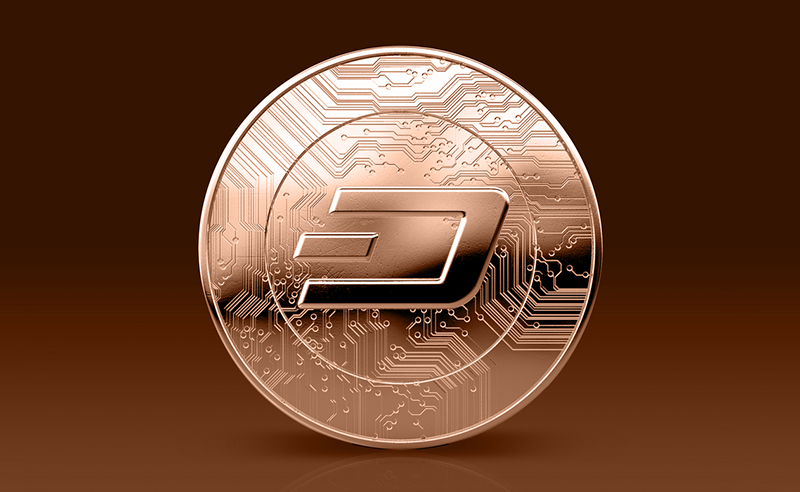
Dash, originally launched in 2014, has consistently aimed to be “Digital Cash” – a fast, private, and user-friendly cryptocurrency for everyday transactions. In 2025, Dash continues to evolve, maintaining its core features while adapting to the broader crypto landscape. This guide will explore “what is Dash cryptocurrency” today, focusing on the key innovations that define “Dash crypto 2025.”

The Core of Dash: A Digital Cash Revolution
 

What Is Dash Cryptocurrency


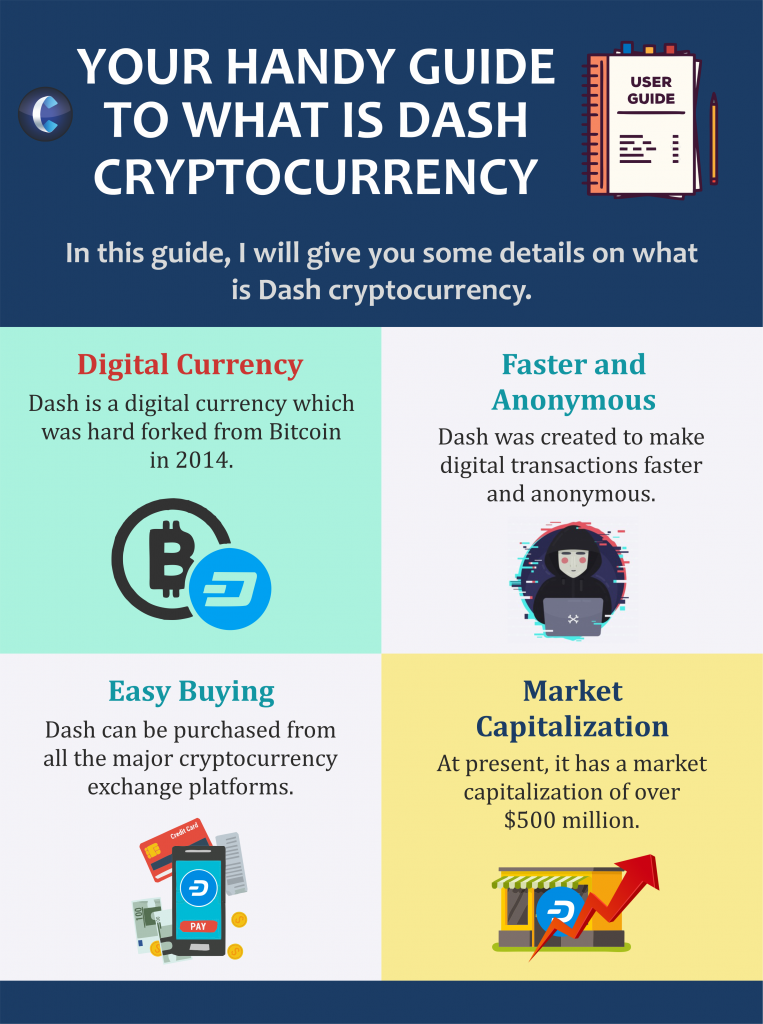
Dash (DASH) stands for “Digital Cash,” embodying its mission to provide a viable alternative to traditional fiat currency. It was initially forked from Bitcoin’s protocol but introduced significant enhancements to address Bitcoin’s scalability and privacy limitations for everyday use.

At its heart, Dash is a decentralized, peer-to-peer electronic cash system. Its blockchain ensures that transactions are secure and immutable, without the need for intermediaries like banks.

Key Features Defining Dash Crypto in 2025

 

Decentralized Autonomous Organization


Dash is also referred to as a Decentralized Autonomous Organization or simply DAO. DAO is basically an organized system described by protocols encoded as a transparent, shareholder-controlled computer program. Thus being a cryptocurrency controlled by shareholders, it eliminated any involvement of central organizations. The program rules and transactions are recorded in the blockchain network. Also, the transactions recorded in the blockchain were not as costly as the third party, which makes everything expensive, was eliminated. All these features made Dash cryptocurrency a great choice among communities, developers and other individuals.

How To Buy Dash Cryptocurrency


How To Buy Dash Cryptocurrency


Currently, Dash cryptocurrency has become a valuable digital asset due to the anonymity it has provided to its customers. Now, many of you might be wondering how to buy Dash cryptocurrency. So below, I have provided some steps that can help you buy Dash cryptocurrency. Also, I have taken an example of CEX.io as the cryptocurrency exchange platform. You can also go to other platforms.

Steps To Buy Dash Cryptocurrency


Steps To Buy Dash Cryptocurrency


  1. First, arrange a Dash wallet for yourself. Two most popular digital wallets to store Dash coins are Edge and Ledger Nano X.
  2. After that, explore your Dash address. This address is the one where you would receive your coins.
  3. Create an account in CEX.io. It is a good cryptocurrency exchange platform for Dash.
  4. Purchase Dash cryptocurrency with either the platform or the brokerage service.
  5. At last, receive your purchased Dash coins in your wallet. Make sure you have received the coins before leaving the website. 

How to Acquire Dash in 2025
Where To Buy Dash Cryptocurrency


Acquiring Dash in 2025 is straightforward, as it’s listed on numerous reputable cryptocurrency exchanges:

  • Centralized Exchanges (CEXs): Platforms like Binance and CEX.IO offer DASH against various fiat currencies (e.g., USD, EUR, INR) and other cryptocurrencies. These exchanges provide a user-friendly interface for buying, selling, and trading Dash.
  • Regional Exchanges (e.g., India): For users in India, platforms such as BuyUcoin facilitate direct purchases of Dash with Indian Rupees (INR), making it accessible for local investors.
  • Fintech Apps: Services like Revolut allow users in supported regions to buy and hold Dash alongside other cryptocurrencies, integrating it into broader financial services.

When purchasing Dash, always ensure you’re using a reputable platform and consider transferring your Dash to a secure crypto wallet for long-term storage and potentially participating in Masternode operations or simply holding your assets securely. You can learn more about securing your assets in our guide to cold wallets.

The Future of Dash Crypto in 2025 and Beyond
 

Dash Price Prediction 2025

Dash’s ongoing development focuses on enhancing its usability, scalability, and security, continually striving to realize its vision of becoming a widely adopted digital currency. The strong governance model, powered by Masternodes, ensures that the project remains adaptable and responsive to market demands and technological advancements in the ever-evolving blockchain space. Dash crypto in 2025 stands as a testament to a project focused on practical, everyday utility.
 

dash cryptocurrency tutorial


Frequently Asked Questions (FAQ):

Q1: What are Masternodes in the Dash network and why are they important in 2025?

A1: In 2025, Masternodes are vital components of the Dash network, serving as specialized servers that perform critical functions beyond those of regular nodes. They enable features like InstantSend (instant transactions) and PrivateSend (enhanced privacy). Masternode operators also play a key role in Dash’s decentralized governance system, voting on important proposals and receiving a portion of the block rewards for their services. To run a Masternode, you need to hold 1,000 DASH as collateral.

Q2: How does Dash’s InstantSend feature work, and why is it beneficial in 2025?

A2: Dash’s InstantSend feature allows transactions to be confirmed and settled within approximately 1-2 seconds, making them nearly instantaneous. In 2025, this is achieved by Masternodes locking the inputs of a transaction, preventing double-spending and ensuring rapid finality. This speed is highly beneficial for everyday payments, point-of-sale systems, and any scenario where quick confirmation is crucial, bridging the gap between traditional digital payments and cryptocurrency transactions.

Q3: Is Dash still focused on privacy in 2025, and how does PrivateSend contribute to that?

A3: Yes, Dash continues to offer enhanced privacy features in 2025 through its PrivateSend functionality. PrivateSend works by mixing your transactions with those of other users, making it significantly more difficult to trace the origin and destination of funds on the blockchain. While it doesn’t offer absolute anonymity like some privacy-focused cryptocurrencies, it provides a substantial improvement in transactional privacy compared to standard transparent blockchain transactions.
 

What is Cryptocurrency Market Cap in 2025? Your Essential Crypto Guide

B2C2

Understanding “what is cryptocurrency market cap” is fundamental for anyone navigating the digital asset space in 2025. It’s a key metric that helps investors assess the size, stability, and potential of a cryptocurrency. This comprehensive “cryptocurrency guide 2025” will delve into market capitalization, its importance, how it’s calculated, and what it signifies for your investment decisions.

Defining Cryptocurrency Market Capitalization

Cryptocurrency market capitalization, often simply called “market cap,” represents the total value of all the coins or tokens of a particular cryptocurrency that are currently in circulation. It’s calculated by a straightforward formula:

Market Cap = Current Price per Coin × Circulating Supply of Coins

For example, if Bitcoin (BTC) is trading at $100,000 per coin and there are 19.7 million BTC in circulation (as of mid-2025), its market cap would be $1.97 trillion.

This metric provides a quick snapshot of a cryptocurrency’s relative size and influence in the broader market, making it a crucial tool for both new and experienced investors.

Why Does Cryptocurrency Market Cap Matter in 2025?

In the dynamic crypto market of 2025, market cap is more than just a number; it offers valuable insights:

  1. Indicates Size and Stability: Cryptocurrencies with larger market caps (often exceeding $10 billion, sometimes referred to as “large-cap cryptos”) are generally considered more established, stable, and less volatile. These include major players like Bitcoin and Ethereum, which tend to have broader adoption and institutional backing.
  2. Aids in Risk Assessment:
    • Large-Cap Cryptos: Often seen as lower-risk investments due to their proven track record, greater liquidity, and widespread acceptance.
    • Mid-Cap Cryptos: (Typically between $1 billion and $10 billion) offer a balance of growth potential and higher risk compared to large-caps.
    • Small-Cap Cryptos: (Below $1 billion) are often highly volatile and speculative, carrying significant risk but also the potential for substantial short-term returns.
  3. Reflects Market Dominance: A higher market cap usually signifies greater dominance and popularity within the crypto ecosystem. It helps to rank cryptocurrencies, as seen on popular data sites like CoinMarketCap and CoinGecko.
  4. Helps Identify Trends: Monitoring changes in the total cryptocurrency market cap can provide insights into overall market trends, such as bull markets (expansion) or bear markets (contraction).
  5. Not a Measure of Money Inflow: It’s important to understand that market cap does not represent the total amount of money that has been invested into a cryptocurrency. It’s a theoretical valuation based on the current price and circulating supply. A small change in price can dramatically affect the market cap without a proportional inflow of new capital.

Types of Market Cap: Circulating vs. Fully Diluted

When analyzing market cap, you’ll often encounter two terms:

  • Circulating Market Cap: This is the most commonly used metric, calculated using only the coins currently available in the market and actively trading.
  • Fully Diluted Market Cap (FDV): This metric assumes that all tokens or coins that will ever exist for a project are currently in circulation. It’s calculated by: FDV = Current Price per Coin × Total Maximum Supply of Coins. FDV provides a broader view of a project’s potential future valuation but can also highlight potential future selling pressure if a large number of tokens are yet to be released.

Cryptocurrency Guide 2025: Beyond Market Cap

While market cap is a powerful indicator, a comprehensive cryptocurrency guide for 2025 emphasizes that it should not be the only factor in your investment decisions. Here’s what else to consider:

  • Technology and Use Case: Understand the underlying blockchain technology, what problem the cryptocurrency aims to solve, and its real-world utility.
  • Development Team and Community: Research the team behind the project, their experience, and the strength of the community supporting the project.
  • Trading Volume and Liquidity: High trading volume indicates strong liquidity, meaning you can buy or sell the asset easily without significantly impacting its price. You can track this on exchanges and data aggregator sites.
  • Roadmap and Partnerships: Look at the project’s future plans and any significant partnerships that could drive adoption.
  • Regulatory Environment: The regulatory landscape is constantly evolving in 2025. Be aware of how regulations in your region (and globally) might impact the crypto asset.
  • Market Sentiment and News: Keep an eye on news, social media, and broader market sentiment, as these can heavily influence crypto prices.

Conclusion: Navigating the Crypto Market with Market Cap in 2025

Cryptocurrency market capitalization is an invaluable tool for understanding the size, stability, and relative position of digital assets in 2025. By combining market cap analysis with a broader understanding of a project’s fundamentals, technology, and market dynamics, you can make more informed decisions as you navigate the exciting and evolving world of cryptocurrencies. Remember, the crypto market is inherently volatile, and thorough research is always paramount.

Frequently Asked Questions (FAQ):

Q1: How is cryptocurrency market cap calculated?

A1: Cryptocurrency market capitalization is calculated by multiplying the current price of a single coin or token by its total circulating supply. For example, if a coin is priced at $5 and has 100 million coins in circulation, its market cap is $500 million. This formula helps determine the overall theoretical value of a cryptocurrency project.

Q2: What is the difference between “circulating market cap” and “fully diluted market cap (FDV)”?

A2: The “circulating market cap” is based on the number of coins currently available and actively trading in the market. “Fully diluted market cap (FDV),” on the other hand, calculates the total value assuming all tokens or coins that will ever exist for a project are in circulation, including those not yet released or locked up. FDV gives an idea of a project’s maximum potential valuation, while circulating market cap reflects its current value.

Q3: Can a cryptocurrency with a high price have a low market cap?

A3: Yes, absolutely. A cryptocurrency’s price per coin alone does not determine its overall value or market cap. A coin could have a very high price (e.g., $1000) but a very small circulating supply (e.g., 10,000 coins), resulting in a market cap of only $10 million. Conversely, a coin with a low price (e.g., $0.01) but a massive circulating supply (e.g., 100 billion coins) would have a market cap of $1 billion. Therefore, market cap provides a more accurate measure of a cryptocurrency’s size than price alone.

How AI is Transforming the Way We Trade Forex

Risks of Dealing with Forex and Bitcoin

The forex market moves fast. It runs 24 hours a day, five days a week. It handles over $6 trillion daily. News, data, and politics affect it in seconds.

In this environment, artificial intelligence isn’t just useful. It’s changing the way trading works. AI helps traders analyze data, manage risk, and act quickly. It spots patterns most people miss and makes decisions in microseconds.

Let’s look at how AI is changing forex trading—and what it means for traders today.

Smarter Analysis, Faster Trades

AI can scan huge amounts of data in seconds. It pulls from charts, news, and history. It sees connections that aren’t obvious. And it does this around the clock.

Machine learning models adjust as they go. If one strategy stops working, the system learns and shifts. That’s a big step up from fixed rules that never change.

Some AI systems use deep learning or neural networks. These tools handle layers of complex info—volume, price changes, global news—and even which platform might be the best forex broker for a specific strategy.

The result? AI makes quicker, smarter trading decisions than a person can.

High-Speed Trading at Scale

High-frequency trading is one area where AI really shines. These systems make thousands of trades a second. They look for small changes in price and act fast.

For this to work, everything needs to run smoothly. The system needs clean data, fast internet, and top-notch hardware. When it all lines up, traders can profit from price moves that last just a few seconds.

This kind of speed is out of reach for human traders. But AI handles it without blinking.

Risk Management in Real Time

Every trade carries risk. AI helps manage that risk with more control.

AI tracks open positions and market changes at once. If something shifts, the system adjusts. It might cut a position, move a stop-loss, or avoid a trade altogether.

It also helps size trades correctly. AI looks at the market, the account, and past behavior. Then it recommends a trade size that fits.

This stops traders from betting too big—or holding on too long.

Personalized Trading for Every Style

AI isn’t just for pros. New traders benefit, too.

Modern AI systems learn how you trade. They watch your habits, your wins, your losses. Then they tailor suggestions to your style.

If you’re cautious, they won’t push risky trades. If you like short-term setups, they’ll focus there. It’s like having a coach that knows your moves and works in real time.

This helps people trade smarter without starting from scratch each day.

Reading the News—Before It Hits the Charts

AI can also read. With natural language processing (NLP), systems scan news headlines, tweets, and speeches. They flag major events that could shake the market.

For example, if a central bank hints at a rate change, AI can pick up on it early—even before traders react.

That edge matters. Price moves often happen in seconds after big news breaks. AI reacts faster than humans and often sees shifts that people miss.

Keeping Things Legal and Safe

Trading isn’t just about profit. It’s also about following the rules.

Regulators want fair, honest markets. AI helps keep things clean. It tracks trades for signs of cheating or shady patterns. If something looks wrong, it flags it right away.

Some systems even check trades before they happen. They stop mistakes, bad inputs, or risky actions that could break the rules.

This protects traders, brokers, and the markets themselves.

AI in Action: Real Examples

Banks and firms around the world are already using AI in forex.

The Bank of China built DeepFX, an app that predicts currency moves using deep learning. It helps traders forecast price action with more precision.

In Japan, the media group Nikkei has used AI to predict the yen’s movement. It studies news, prices, and trends. Their predictions have proven more accurate than many expert guesses.

These aren’t test cases—they’re real tools used by real traders.

New Tools, New Challenges

AI brings power—but also problems.

Traders can become too dependent on AI. If they stop thinking for themselves, they may not react well when markets change in ways AI didn’t expect.

Black swan events—rare and extreme changes—still confuse most AI models. There’s no history to learn from, so mistakes happen.

Also, some AI systems are hard to understand. They make decisions, but no one can explain how. That makes it tough to trust them fully.

And there are risks around data. Bad inputs, errors, or even hacks can lead to big losses fast.

Ethics and Oversight Still Matter

AI should help traders—not replace them.

Humans still need to watch. They must step in if the system acts oddly. Traders are responsible for what happens, even when a machine makes the choice.

Traders also need to be fair. AI can learn biases from past data. If not fixed, this can hurt some users or give unfair results.

And finally, data privacy is key. AI systems use sensitive financial info. That data must be safe.

The Bottom Line

AI has changed forex trading. It’s faster, smarter, and more data-driven than ever.

But smart tools don’t guarantee smart outcomes. Traders still need skill, judgment, and control. The best results come from mixing AI power with human oversight.

Used well, AI helps traders make better choices, manage risk, and stay ahead of the market. It’s not a shortcut—but it is a powerful step forward.

What is Cryptocurrency Mining in 2025? A Guide to Digital Asset Creation

guide to cryptocurrency mining,

Cryptocurrency mining, once largely associated with powerful computers solving complex puzzles, has evolved significantly in 2025. While the core concept of validating transactions and introducing new coins remains, the methods and underlying technologies have diversified. This guide will delve into “what is cryptocurrency mining” today, exploring its different forms and how the landscape of “crypto mining 2025” is shaped by technological advancements and environmental considerations.

The Essence of Cryptocurrency Mining

At its heart, cryptocurrency mining is the process by which new cryptocurrency units are created and transactions are verified and added to the blockchain – the decentralized public ledger that underpins cryptocurrencies. This process plays a vital role in maintaining the security, integrity, and decentralization of many blockchain networks.

Historically, mining primarily referred to Proof-of-Work (PoW), where participants (miners) use computational power to solve complex mathematical puzzles. The first miner to solve the puzzle gets to add a new block of transactions to the blockchain and is rewarded with newly minted cryptocurrency and transaction fees. Bitcoin is the most prominent example of a cryptocurrency still relying on PoW.

The Evolution of Crypto Mining: PoW vs. PoS in 2025

The most significant shift in crypto mining by 2025 is the widespread adoption of Proof-of-Stake (PoS) as an alternative consensus mechanism.

  • Proof-of-Work (PoW):

    • How it works: Miners use powerful hardware (ASICs for Bitcoin, GPUs for some altcoins) to solve cryptographic puzzles. This process consumes significant amounts of electricity.
    • Pros: Highly secure, robust decentralization (theoretically).
    • Cons: Energy-intensive, high hardware costs, often leads to centralization of mining power in large farms with access to cheap electricity.
    • Relevant in 2025 for: Bitcoin, Litecoin, Dogecoin, Monero (ASIC-resistant), and a few other cryptocurrencies.
  • Proof-of-Stake (PoS):

    • How it works: Instead of “mining” with computational power, participants (validators) “stake” a certain amount of cryptocurrency as collateral to validate transactions. They are chosen to validate blocks based on the amount of crypto they’ve staked.

    • Pros: Significantly more energy-efficient, lower barrier to entry (no expensive hardware needed), often leads to faster transaction processing.
    • Cons: Can potentially lead to centralization if a few large stakers control a significant portion of the staked coins.
    • Relevant in 2025 for: Ethereum (post-Merge), Cardano, Solana, Polkadot, and many other newer blockchains. You can learn more about this in our guide to crypto staking.

Types of Crypto Mining in 2025 (Primarily PoW)

For cryptocurrencies that still utilize Proof-of-Work, there are several methods:

  1. ASIC Mining (Application-Specific Integrated Circuit):

    • What it is: These are specialized, purpose-built machines designed solely for mining a specific cryptocurrency algorithm (e.g., Bitcoin’s SHA-256).
    • Relevance in 2025: ASICs are the most efficient and dominant way to mine Bitcoin and other major PoW coins. They are very expensive, consume a lot of power, and generate significant heat and noise.
    • Profitability: Highly dependent on electricity costs and the cryptocurrency’s market price.
  2. GPU Mining (Graphics Processing Unit):

    • What it is: Utilizing the powerful graphics cards found in gaming computers to mine cryptocurrencies.
    • Relevance in 2025: Less dominant for highly competitive coins like Bitcoin (due to ASICs), but still viable for mining certain ASIC-resistant altcoins like Ravencoin (RVN) or Ethereum Classic (ETC).
    • Versatility: GPUs can be used to mine various algorithms, offering flexibility.
  3. CPU Mining (Central Processing Unit):

    • What it is: Using a standard computer’s CPU to mine.
    • Relevance in 2025: Largely unprofitable for most major cryptocurrencies due to the low hash rate compared to GPUs and ASICs. Primarily viable for very niche, ASIC-resistant coins like Monero (XMR).
  4. Cloud Mining:

    • What it is: Renting mining power from a remote data center. You pay a fee and receive a share of the mined cryptocurrency without owning or managing hardware.
    • Relevance in 2025: Can be a low-effort way to participate, but often comes with high fees and is susceptible to scams. Careful research is crucial. Reputable cloud mining providers in 2025 are focusing on transparency and regulatory compliance.
  5. Mining Pools:

    • What it is: Groups of individual miners who combine their computational power to increase their chances of solving a block and earning rewards. Rewards are then split proportionally among pool members based on their contribution.
    • Relevance in 2025: Essential for most individual PoW miners, especially for highly competitive coins like Bitcoin, as solo mining is rarely profitable unless you have massive computing power.

The Environmental and Regulatory Landscape of Crypto Mining in 2025

The environmental impact of Proof-of-Work mining, particularly Bitcoin, remains a significant topic in 2025. Concerns about high energy consumption and carbon emissions are driving innovations in renewable energy sources for mining operations and influencing regulatory discussions worldwide.

Governments and regulatory bodies are increasingly scrutinizing mining operations, leading to shifts in geographical distribution of mining activities and the rise of more sustainable practices. Many new projects are focusing on PoS to address these concerns and appeal to environmentally conscious investors.

Conclusion: Crypto Mining in 2025 – A Diverse Landscape

Cryptocurrency mining in 2025 is a multifaceted activity. While traditional Proof-of-Work mining continues for giants like Bitcoin, driven by powerful ASICs and mining pools, the shift towards Proof-of-Stake for a growing number of cryptocurrencies has redefined what “mining” entails. Understanding these different mechanisms, their associated technologies, and the evolving environmental and regulatory landscape is key to comprehending the dynamic world of digital asset creation in the current era.

Frequently Asked Questions (FAQ):

Q1: What is the main difference between Proof-of-Work (PoW) and Proof-of-Stake (PoS) mining in 2025?

A1: In 2025, the main difference is that Proof-of-Work (PoW) mining, used by Bitcoin, requires powerful computers to solve complex mathematical puzzles, consuming significant energy. Proof-of-Stake (PoS), now used by Ethereum and many other cryptocurrencies, involves participants “staking” their crypto as collateral to validate transactions, making it much more energy-efficient and eliminating the need for specialized mining hardware.

Q2: Is traditional cryptocurrency mining (like Bitcoin mining) still profitable in 2025?

A2: The profitability of traditional cryptocurrency mining in 2025, especially for Bitcoin, depends heavily on factors like the cost of electricity, the efficiency of your mining hardware (ASICs), and the current market price of the cryptocurrency. With increased competition and the Bitcoin halving events, individual solo mining is rarely profitable without substantial investment in top-tier equipment and access to very cheap power. Joining a mining pool is often the only viable option for smaller miners.

Q3: What are the environmental concerns related to crypto mining in 2025?

A3: In 2025, environmental concerns primarily relate to Proof-of-Work (PoW) mining, which consumes vast amounts of electricity, often sourced from fossil fuels, leading to significant carbon emissions. This has prompted increasing regulatory scrutiny and a push within the crypto industry towards more sustainable practices, including the adoption of renewable energy sources for mining farms and the widespread transition to energy-efficient Proof-of-Stake (PoS) consensus mechanisms.

Best Cardano Wallets for 2025: Securely Manage Your ADA

ADA Technical Analysis: Double Bottom Breakout Can Reach $2, Is It the Best Buy of 2022?

Choosing the right wallet to store and manage your Cardano (ADA) is crucial for security and ease of use. The Cardano ecosystem offers a variety of wallets, each with its own features and benefits. This updated guide for 2025 highlights some of the best Cardano wallets available, catering to different user needs, from beginners to experienced stakers.

Understanding Cardano Wallets: Custodial vs. Non-Custodial

custodial wallet

Similar to other cryptocurrencies, Cardano wallets can be broadly categorized into custodial and non-custodial:

  • Custodial Wallets: Typically offered by cryptocurrency exchanges, where the exchange holds the private keys to your ADA. While convenient for trading, they offer less control over your assets.
  • Non-Custodial Wallets: These wallets give you full control over your private keys, providing greater security and ownership. They are generally preferred for long-term holding and participating in staking.

For Cardano, many users prefer non-custodial wallets to participate in staking and have full control over their ADA.

Key Features to Look for in a Cardano Wallet

When selecting a Cardano wallet, consider these important features:

  • Security: Robust security measures, including private key encryption and options for hardware wallet integration.
  • Staking Support: The ability to easily delegate your ADA to staking pools to earn rewards. You can learn more about this in our guide on crypto staking.
  • User Interface: An intuitive and user-friendly design, especially for beginners.
  • Supported Platforms: Compatibility with your preferred devices (desktop, mobile, web, hardware).
  • Support for Native Assets: The ability to manage other native assets on the Cardano blockchain, beyond just ADA.

Top Cardano Wallets for 2025

Based on their security, features, and user reviews, here are some of the best Cardano wallets for 2025:

  1. Daedalus (Desktop): The official full-node wallet for Cardano, developed by IOHK (now Input Output Global). Daedalus downloads the entire Cardano blockchain, offering maximum security and full control. It supports staking and managing native assets. While powerful, it requires more storage space and can take longer to sync.
  2. Yoroi (Browser Extension & Mobile): A lightweight and user-friendly wallet developed by Emurgo, the commercial arm of Cardano. Yoroi does not require downloading the entire blockchain, making it quicker to set up and use. It’s available as a browser extension and a mobile app, supporting staking and managing native assets.
  3. Nami (Browser Extension): A popular browser-based wallet known for its simplicity and integration with Cardano dApps. Nami allows you to send, receive, and delegate ADA for staking directly from your browser. It also supports managing native assets and interacting with the growing Cardano DeFi ecosystem.
  4. Flint Wallet (Browser Extension & Mobile): A lightweight wallet focused on user experience and supporting the Cardano ecosystem, including staking and interacting with dApps. Flint is available as a browser extension and a mobile app, aiming for a seamless experience across devices.
  5. Lace (Desktop – Beta): A new light wallet from IOG, currently in beta. Lace aims to be an all-in-one portal for Cardano, supporting ADA and native assets, staking, and interaction with Cardano dApps and DeFi. Its user-friendly interface is a key focus.
  6. Hardware Wallets (Ledger Nano S Plus / Nano X, Trezor Model T): For the highest level of security, hardware wallets like Ledger and Trezor allow you to store your Cardano private keys offline. They integrate with software wallets like Yoroi and AdaLite to manage your ADA and participate in staking while keeping your keys secure. You can learn more about the security benefits in our article on cold wallets.
  7. AdaLite (Web Wallet): A web-based light wallet that allows you to access your Cardano without downloading the entire blockchain. AdaLite supports connecting with hardware wallets and offers staking functionality. It’s a convenient option for those who prefer not to install desktop software.

Choosing the Best Cardano Wallet for You

The best Cardano wallet for you will depend on your priorities:

  • Maximum Security: Hardware wallets (Ledger, Trezor) paired with a software interface.
  • Full Node & Control: Daedalus (desktop).
  • Lightweight & User-Friendly: Yoroi (browser/mobile), Nami (browser), Flint (browser/mobile), Lace (beta desktop), AdaLite (web).
  • DeFi Interaction: Nami, Flint, and Lace are particularly popular for engaging with Cardano dApps.

Securing Your Cardano Wallet

Regardless of the wallet you choose, always prioritize security:

  • Store Your Seed Phrase Securely: This is crucial for recovering your wallet. Write it down and keep it offline.
  • Enable Spending Passwords: Most Cardano wallets allow you to set a spending password for transactions.
  • Be Cautious of Phishing: Only use official wallet websites and browser extensions.

Conclusion: Selecting Your Cardano Wallet in 2025

The Cardano ecosystem offers a range of excellent wallets for 2025, catering to various needs for security, usability, and participation in staking and DeFi. Whether you prefer the full-node security of Daedalus, the lightweight convenience of Yoroi or Nami, the hardware security of Ledger or Trezor, or the emerging features of Lace, there’s a Cardano wallet to suit your requirements for securely managing your ADA.

Frequently Asked Questions (FAQ):

Q1: What is the most secure Cardano wallet for 2025?

A1: For the highest level of security for your Cardano (ADA) in 2025, using a hardware wallet like the Ledger Nano S Plus or Ledger Nano X, or the Trezor Model T, is generally recommended. These wallets store your private keys offline, protecting them from online threats. You can then use a software interface like Yoroi or AdaLite to interact with your ADA and participate in staking.

Q2: Which Cardano wallets are best for staking in 2025?

A2: Several Cardano wallets offer excellent support for staking in 2025. Daedalus, Yoroi, Nami, Flint, and AdaLite all allow you to easily delegate your ADA to staking pools to earn rewards. The best choice depends on your preference for a full-node wallet (Daedalus) versus a light wallet (Yoroi, Nami, Flint, AdaLite) and whether you prefer a desktop, browser extension, or mobile interface.

Q3: Are there any user-friendly Cardano wallets for beginners in 2025?

A3: Yes, several Cardano wallets are designed with beginners in mind for 2025. Yoroi (browser extension and mobile) and Nami (browser extension) are often praised for their intuitive interfaces and ease of use, while still offering staking functionality. Flint Wallet is another lightweight option focused on a smooth user experience. These wallets make it relatively simple for newcomers to manage their ADA and participate in the Cardano ecosystem.

How to Buy Cardano (ADA) in 2025: Your Guide to Purchasing ADA

how to buy cardano

Cardano (ADA) is a prominent cryptocurrency known for its research-driven approach and growing ecosystem. If you’re looking to invest in or use ADA in 2025, understanding the best ways to buy it is essential. This updated guide will walk you through the various platforms and methods available for purchasing Cardano.

Understanding Cardano (ADA) and Why Buy It in 2025

Cardano is a proof-of-stake blockchain platform with a focus on sustainability, scalability, and interoperability. Its unique architecture and ongoing development make it a noteworthy project in the cryptocurrency space. Buying Cardano in 2025 allows you to participate in its ecosystem and potentially benefit from its future growth.

Top Platforms to Buy Cardano in 2025

Best-Cardano-Exchanges

Several cryptocurrency exchanges and platforms offer Cardano (ADA) for purchase:

  1. Major Cryptocurrency Exchanges: Platforms like Binance, Kraken, Coinbase, and KuCoin are popular choices with good liquidity for ADA. They typically offer various trading pairs (e.g., ADA/USD, ADA/EUR, and sometimes ADA/INR).
  2. Indian Exchanges: For users in India, exchanges like ZebPay and CoinSwitch Kuber also provide options to buy Cardano with INR.
  3. Revolut: This platform allows users in certain regions to buy Cardano alongside other cryptocurrencies within its app.
  4. Hardware Wallets with Purchase Options: Ledger, primarily known for its secure hardware wallets, also allows you to buy Cardano directly through its Ledger Live platform via their partners.

How to Buy Cardano in 2025: A Step-by-Step Guide (Using a Centralized Exchange)

Here’s a general guide on how to buy Cardano (ADA) on a centralized exchange:

  1. Choose an Exchange: Select a reputable exchange that lists Cardano (ADA) and supports your preferred payment method.
  2. Sign Up and Verify: Create an account and complete the identity verification (KYC) process.
  3. Deposit Funds: Add funds to your account using a supported method (e.g., bank transfer, credit/debit card, or other cryptocurrencies).
  4. Navigate to the Trading Section: Look for a “Trade” or “Buy/Sell” option.
  5. Select Cardano (ADA): Find the ADA trading pair you want to use (e.g., ADA/USD or ADA/INR).
  6. Place Your Order: Enter the amount of ADA you want to buy or the amount of fiat currency you want to spend. You’ll usually have options for market orders (executed at the current price) or limit orders (executed at a specific price).
  7. Review and Confirm: Double-check the details of your order and confirm the purchase.
  8. Secure Your ADA: Once purchased, you can leave your ADA on the exchange for trading or transfer it to a secure crypto wallet like Ledger for longer-term holding and staking (if supported by the wallet).

Buying Cardano in India in 2025

buy cardano with cash

For users in India looking to buy Cardano in 2025, platforms like ZebPay and CoinSwitch Kuber offer a straightforward way to purchase ADA using INR. The process is similar to the general steps above, with the added convenience of INR support. You’ll need to complete KYC on these platforms as well.

Why Consider Cardano in 2025?

Cardano’s ongoing development, focus on peer-reviewed research, and growing adoption in various sectors make it a compelling cryptocurrency to consider in 2025. Its proof-of-stake mechanism also allows users to potentially earn rewards through staking their ADA.

Conclusion: Purchasing Cardano (ADA) in 2025

buy cardano with PayPal

Buying Cardano (ADA) in 2025 is a relatively straightforward process, thanks to the availability of ADA on numerous reputable cryptocurrency exchanges and platforms, including those catering specifically to the Indian market. By choosing a platform that suits your needs and following the outlined steps, you can easily add ADA to your cryptocurrency portfolio. Remember to research the platform you choose and consider securing your ADA in a personal wallet for long-term holding.


Frequently Asked Questions (FAQ):

Q1: What is the best platform to buy Cardano (ADA) in 2025?

A1: The “best” platform depends on your location and preferences. For global users, Binance and Kraken are popular for their liquidity and range of trading pairs. In India, ZebPay and CoinSwitch Kuber offer INR support. Ledger also allows direct purchases through their platform. Consider factors like fees, ease of use, and security when choosing.

Q2: Can I buy Cardano (ADA) with Indian Rupees (INR) in 2025?

A2: Yes, you can buy Cardano (ADA) with Indian Rupees (INR) on cryptocurrency exchanges that cater to the Indian market, such as ZebPay and CoinSwitch Kuber. These platforms allow you to deposit INR and trade it for ADA.

Q3: What should I do after I buy Cardano (ADA)?

A3: After buying Cardano (ADA), you have a few options. You can leave it on the exchange for potential trading, or for better security and the possibility of staking, you can transfer it to a personal Cardano wallet like Daedalus, Yoroi, or a hardware wallet like Ledger. Staking allows you to earn rewards for holding and delegating your ADA to a stake pool.


How to Buy Ethereum Instantly: Your 2025 Guide to Fast ETH Purchases

buy ethereum instantly

Ethereum (ETH) remains a cornerstone of the cryptocurrency ecosystem, powering countless decentralized applications (dApps) and serving as a leading digital asset. If you’re looking to buy Ethereum quickly and easily in 2025, several platforms offer near-instant purchasing options. This updated guide will walk you through the fastest ways to acquire ETH and also provide context on purchasing other cryptocurrencies.

The Need for Speed: Buying Ethereum Instantly

In the fast-paced world of crypto, opportunities can arise quickly, making the ability to buy Ethereum instantly a valuable feature. Whether you’re looking to capitalize on a price dip, participate in a time-sensitive NFT drop, or simply get started with ETH, knowing the quickest methods is key.

Top Platforms for Buying Ethereum Instantly in 2025

Several cryptocurrency exchanges and platforms prioritize speed and ease of use when it comes to buying Ethereum:

  1. Major Cryptocurrency Exchanges with Card Purchases: Platforms like Coinbase, Binance, Kraken, and KuCoin often allow you to buy Ethereum instantly using a debit or credit card. This method typically involves linking your card to your account and then executing the purchase. While convenient, card purchases may come with slightly higher fees compared to other methods.
  2. Instant Buy/Sell Services: Some platforms specialize in offering instant buy and sell options for cryptocurrencies, including Ethereum. Services like ChangeNOW, Guardarian, and potentially the instant buy features within larger exchanges aim to provide quick transactions. These often support card payments and may offer a streamlined process.
  3. Peer-to-Peer (P2P) Platforms (with Fast Payment Options): While P2P platforms connect buyers and sellers directly, some integrate fast payment methods like UPI (in India) or other local instant transfer systems, which can lead to relatively quick ETH purchases once a seller is matched. However, the “instant” aspect relies on the seller’s responsiveness.
  4. Brokerage Apps with Crypto: Certain brokerage apps that have integrated cryptocurrency trading may offer instant buying power upon depositing funds, allowing you to purchase Ethereum quickly.


How to Buy Ethereum Instantly: A Step-by-Step Guide (Using a Card on an Exchange)


buy ethereum instantly


While the exact steps vary by platform, here’s a general guide using a debit/credit card on a major exchange:

  1. Choose a Platform: Select a reputable exchange that offers instant Ethereum purchases via card (e.g., Coinbase, Binance).
  2. Sign Up and Verify: Create an account and complete the necessary identity verification (KYC) process.
  3. Link Your Card: Navigate to the payment methods section and link your debit or credit card.
  4. Go to the “Buy Crypto” Section: Find the option to buy cryptocurrencies.
  5. Select Ethereum (ETH): Choose ETH as the cryptocurrency you want to purchase.
  6. Choose Your Payment Method: Select the linked debit/credit card.
  7. Enter the Amount: Specify how much Ethereum you want to buy (in fiat currency or ETH).
  8. Review and Confirm: Double-check the details and confirm your purchase. The ETH should typically appear in your wallet balance almost instantly.


Expanding Your Crypto Portfolio: How to Purchase Other Cryptocurrencies


buy eth with credit card


The process for instantly buying Ethereum is often similar to purchasing other cryptocurrencies. Once you have an account on a platform that supports instant purchases (usually via card), you can typically select from a range of available digital assets, including Bitcoin (BTC), altcoins, and more. Simply navigate to the “buy crypto” section and choose the cryptocurrency you wish to purchase.


buy ethereum with PayPal

Key Considerations for Instant Crypto Purchases

  • Fees: Instant purchase methods, especially those involving cards, may have higher fees compared to bank transfers or other options. Be sure to check the fee structure before completing your transaction.
  • Limits: Platforms may impose limits on the amount of cryptocurrency you can buy instantly, especially for new users.
  • Security: Always use reputable and secure platforms for your cryptocurrency purchases. Enable two-factor authentication (2FA) on your account.


buy ethereum India

Conclusion: Fast and Easy Ethereum Purchases in 2025

Buying Ethereum instantly in 2025 is readily achievable through various user-friendly platforms that support fast payment methods like debit/credit cards. By choosing a reputable service and understanding the associated fees and limits, you can quickly acquire ETH to participate in the Ethereum ecosystem or add it to your investment portfolio. The ease of buying Ethereum instantly often extends to purchasing other cryptocurrencies as well, making it simpler than ever to enter the digital asset market.

The easiest way to buy ethereum coins instantly in India is to set up an account on crypto exchanges and wallet with them. Best Exchanges to buy Ethereum in India could be WazirX, Giotuss, Koinex, CoinDCX, LocalBitcoin, BuyUcoin, Coinome, Unocoin. Some of them have desktop interfaces while some others are available on the mobile app. You can buy, trade or exchange your Eth brought from fiat currency (INR) after linking your bank account to crypto exchange.

ETH coins in India can also be purchased via decentralized platforms. You need to buy bitcoins using your account of PayTM, Paypal or UPI or use credit/debit card to buy bitcoins from any exchange. And swap either through smart contracts based atomic swapping (Decentralized Exchanges) or crypto to crypto trading on any exchange.

Just make sure the transaction fees, authenticity of exchange and the sellers associated with transactions, before buying Ether coins from any of the methods.

Thus, you can buy ethereum instantly through centralized as well as decentralized exchanges, via debit and credit cards, Paypal, cash, bank transfers, bitcoins or even through ATMs. So have a look at the price chart of Ethereum (March 2020) and start investing some of your money into ETH coins. Ethereum is expected to gain momentum and rise in price after the effects of COVID-19 began to settle down on the global economy. But, being a volatile currency, don’t lose the change to speculate and invest in crypto coins.

Frequently Asked Questions (FAQ):

Q1: What’s the fastest way to buy Ethereum in 2025?

A1: The fastest way to buy Ethereum in 2025 is generally by using a debit or credit card on a major cryptocurrency exchange like Coinbase, Binance, or Kraken. These platforms often allow for near-instant purchases once your card is linked and verified, although fees might be slightly higher compared to other payment methods.

Q2: Can I instantly buy other cryptocurrencies besides Ethereum?

A2: Yes, the methods used for buying Ethereum instantly (primarily debit/credit cards and instant buy services) often apply to purchasing other popular cryptocurrencies like Bitcoin, Litecoin, and various altcoins. Once you have an account set up on a platform that offers instant purchases, you can typically select from a range of available digital assets.

Q3: Are there any risks associated with buying Ethereum or other cryptocurrencies instantly?

A3: While convenient, instant purchases, especially via credit/debit cards, may come with higher transaction fees. Additionally, it’s crucial to use secure and reputable platforms to avoid potential scams. Always be mindful of the fees involved and ensure you are using a well-known exchange or instant buy service with a good security track record.


How to Buy Cryptocurrencies in 2025: Your Comprehensive Guide to Purchasing Digital Assets

Investing In Cryptocurrencies

The cryptocurrency market continues to attract newcomers looking to participate in this evolving financial landscape. Whether you’re interested in Bitcoin, Ethereum, popular altcoins, or exploring emerging digital assets, understanding the process of how to buy cryptocurrencies securely and efficiently in 2025 is essential. This updated guide will walk you through the various methods and platforms available for purchasing digital currencies.

Understanding the Basics of Buying Cryptocurrency

Purchasing cryptocurrency typically involves using a cryptocurrency exchange or a similar platform that facilitates the buying and selling of digital assets. These platforms act as intermediaries, connecting buyers and sellers. The process usually involves creating an account, verifying your identity, depositing funds, and then placing an order to buy your desired cryptocurrency.

Common Ways to Buy Cryptocurrencies in 2025

  1. Cryptocurrency Exchanges: These are the most common platforms for buying cryptocurrencies. They offer a wide variety of digital assets and typically support multiple payment methods. Popular exchanges include Binance, Coinbase, Kraken, KuCoin, and for users in India, WazirX, CoinDCX, and CoinSwitch Kuber.
  2. Brokerage Platforms with Crypto: Some traditional brokerage platforms have started offering cryptocurrency trading, providing a familiar interface for users who invest in other asset classes.
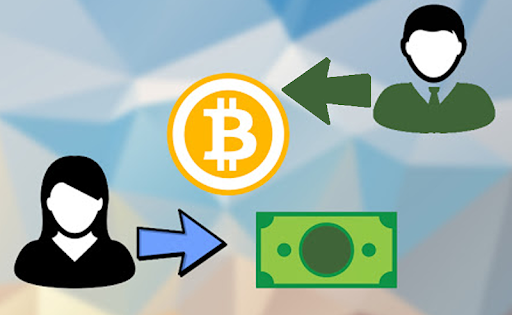
  3. Peer-to-Peer (P2P) Marketplaces: These platforms connect buyers and sellers directly, allowing for more flexible payment methods but also carrying higher risks.
  4. Bitcoin ATMs: While less common, these machines allow you to purchase Bitcoin (and sometimes other cryptocurrencies) using cash or a debit card. Fees are typically higher.

Step-by-Step Guide on How to Purchase Cryptocurrencies

The exact steps can vary slightly depending on the platform you choose, but here’s a general guide on how to purchase cryptocurrencies:

  1. Choose a Platform: Select a reputable cryptocurrency exchange or brokerage platform that suits your needs in terms of supported currencies, fees, security, and user interface.
  2. Sign Up and Verify Your Identity (KYC): Create an account and complete the Know Your Customer (KYC) verification process, which usually involves providing identification documents.
  3. Deposit Funds: Add funds to your account using the available payment methods, such as bank transfers, credit/debit cards, or other supported options.
  4. Navigate to the “Buy” Section: Most platforms have a clearly labeled section for buying cryptocurrencies.
  5. Select the Cryptocurrency: Choose the digital asset you wish to purchase (e.g., Bitcoin (BTC), Ethereum (ETH), or other altcoins). You might find our guide on the best altcoin exchanges helpful if you’re interested in altcoins.
  6. Enter the Purchase Amount: Specify how much of the cryptocurrency you want to buy (either in fiat currency or the amount of crypto).
  7. Review and Confirm Your Order: Double-check all the details, including the price and any fees, before confirming your purchase.
  8. Secure Your Cryptocurrency: Once you’ve purchased your crypto, consider transferring it to a secure crypto wallet for longer-term storage.

Key Considerations When Buying Cryptocurrencies

  • Security: Choose platforms with strong security measures like two-factor authentication (2FA) and cold storage.
  • Fees: Be aware of the trading fees, deposit fees, and withdrawal fees associated with the platform.
  • Supported Currencies: Ensure the platform supports the cryptocurrencies you want to buy and your local fiat currency.
  • User Interface: Opt for a platform with an interface that is easy for you to navigate, especially if you are a beginner.
  • Regulation: Choose platforms that comply with the regulations in your jurisdiction.

Exploring Top Cryptocurrencies to Purchase in 2025

While this guide focuses on how to buy, you might also be interested in what to buy. Some of the top cryptocurrencies to consider in 2025, based on market capitalization and potential, often include Bitcoin, Ethereum, and other established altcoins. Remember to conduct your own research before making any investment decisions.

Conclusion: Your Journey to Purchasing Cryptocurrency in 2025

Purchasing cryptocurrencies in 2025 has become more accessible than ever, with a variety of platforms catering to different needs and levels of experience. By following the steps outlined in this guide and considering the key factors, you can confidently begin your journey into the world of digital assets. Remember to prioritize security and conduct thorough research before making any purchases.

How to Trade Altcoins in 2025: A Beginner’s Guide, Plus Anonymous Bitcoin Buying Insights

ansfer Your Altcoin from One Wallet to Another Wallet?

The world of cryptocurrency extends far beyond Bitcoin, with a diverse range of alternative cryptocurrencies, or altcoins, presenting unique trading opportunities. Understanding how to navigate the altcoin market is crucial for any crypto trader. This updated guide for 2025 will walk you through the fundamentals of trading altcoins and also touch upon the complexities surrounding the desire to “buy bitcoin anonymously.”

Understanding Altcoin Trading in 2025

altcoins losses double digits

Trading altcoins involves buying and selling cryptocurrencies other than Bitcoin, with the aim of profiting from price fluctuations. The altcoin market can be more volatile than Bitcoin, offering both higher potential returns and greater risks. To trade altcoins effectively, it’s essential to understand the market dynamics, different trading strategies, and the platforms where you can execute trades.

Key Steps to Trading Altcoins

  1. Choose a Reputable Altcoin Exchange: Select an exchange that offers a wide variety of altcoins you’re interested in trading, along with sufficient liquidity. Popular exchanges include Binance, KuCoin, Kraken, Coinbase, and Gate.io. Consider factors like fees, security, and user interface. You can explore our guide on the best altcoin exchanges for more information.
  2. Fund Your Account: Once you’ve chosen an exchange, you’ll need to deposit funds. Most exchanges support various deposit methods, including fiat currencies (like USD, EUR, INR) and other cryptocurrencies (like Bitcoin or USDT).
  3. Research Altcoins: Before trading, thoroughly research the altcoins you’re interested in. Understand their underlying technology, use case, market capitalization, and recent news. Resources like CoinMarketCap and CoinGecko can be helpful.
  4. Develop a Trading Strategy: Determine your trading style (e.g., day trading, swing trading, long-term investing) and develop a strategy that aligns with your goals and risk tolerance. Consider using technical analysis (chart patterns, indicators) and fundamental analysis (news, adoption) to inform your decisions.
  5. Place Your Trades: Use the exchange’s trading interface to buy or sell altcoins. You’ll typically have different order types available, such as market orders (executed at the best available current price) and limit orders (executed only at your specified price).
  6. Manage Your Risk: Cryptocurrency trading is inherently risky. Use stop-loss orders to limit potential losses and never invest more than you can afford to lose. Consider diversifying your 1 portfolio across different altcoins.
     
  7. Secure Your Holdings: For longer-term storage, consider transferring your altcoins to a secure multi-cryptocurrency wallet where you control your private keys.

Popular Altcoin Trading Strategies

  • Trend Following: Identifying and trading in the direction of the prevailing market trend.
  • Breakout Trading: Buying or selling when the price breaks out of a defined range.
  • Swing Trading: Holding altcoins for a few days or weeks to profit from price swings.
  • Scalping: Making numerous small trades throughout the day to accumulate small profits.

The Persistent Question: Buying Bitcoin Anonymously

As you’re also focusing on “buy bitcoin anonymously,” it’s important to address this, even though the primary focus of this article is altcoin trading. Many individuals who are new to crypto, or those interested in altcoins, also inquire about buying Bitcoin with anonymity.

As discussed in previous responses, truly anonymous methods for buying Bitcoin are increasingly difficult to find due to regulatory requirements on most reputable exchanges. Platforms that offer a wide range of altcoins for trading (like Binance, KuCoin, Kraken, etc.) typically also require KYC verification for buying and selling Bitcoin.

Recap on Anonymous Bitcoin Buying:

  • Limited Options: P2P platforms (risky), Bitcoin ATMs (limited availability, high fees), DEXs (primarily crypto-to-crypto).
  • Regulatory Hurdles: Most regulated exchanges require KYC.
  • Increased Risks: Higher chance of scams on anonymous platforms.

Recommendation: For trading altcoins and acquiring Bitcoin, using reputable exchanges that follow KYC/AML procedures is generally the safest and most reliable approach. While it requires providing personal information, it offers a more secure trading environment and access to a wider range of cryptocurrencies and trading tools.

Conclusion: Navigating the Altcoin Market in 2025

Trading altcoins presents exciting opportunities in the cryptocurrency space. By choosing a reputable exchange, understanding trading strategies, and managing risk effectively, you can participate in this dynamic market. When it comes to buying Bitcoin anonymously, it’s crucial to be aware of the limitations and potential risks involved, with regulated exchanges being the standard for secure transactions.

Frequently Asked Questions (FAQ):

Q1: What is the first step to trading altcoins in 2025?

A1: The first step to trading altcoins in 2025 is to choose a reputable cryptocurrency exchange that offers a wide variety of altcoins you are interested in trading. Consider factors like the exchange’s security, fees, user interface, and the specific altcoins listed. Platforms like Binance, KuCoin, and Kraken are popular choices.

Q2: Is it possible to trade altcoins anonymously, similar to the desire to buy Bitcoin anonymously?

A2: While some smaller or less regulated exchanges might have fewer KYC requirements, most reputable exchanges that offer a wide selection of altcoins also adhere to KYC/AML regulations. Therefore, truly anonymous altcoin trading on major platforms is generally not possible. Using regulated exchanges provides a safer trading environment, even if it requires identity verification.

Q3: What are some common risks involved in trading altcoins?

A3: Trading altcoins carries several risks, including higher price volatility compared to Bitcoin, lower liquidity for some less popular coins, the potential for scams and rug pulls (especially with newer projects), and market sentiment that can change rapidly. It’s crucial to manage your risk by not investing more than you can afford to lose, using stop-loss orders, and diversifying your portfolio. Thorough research into each altcoin you trade is also essential.

The Best Bitcoin Trading Exchanges in India & Globally for 2025: Plus Anonymous Buying Options

Bitcoin Trading

Finding the right exchange to trade Bitcoin is crucial for access to liquidity, competitive fees, and a secure trading environment. This updated guide for 2025 highlights some of the best Bitcoin trading exchanges available to users in India and globally. Additionally, we will address the complexities and limitations surrounding the desire to “buy bitcoin anonymously” in the current regulatory landscape.

Top Bitcoin Trading Exchanges in India for 2025

For users in India looking to trade Bitcoin with Indian Rupees (INR), several reputable exchanges offer dedicated services:

WazirX:

WazirX

A popular Indian exchange known for its user-friendly interface, support for INR deposits and withdrawals (via UPI, bank transfer), and a variety of trading pairs, including BTC/INR. WazirX also offers features like spot trading and P2P options.


CoinDCX:

CoinDCX

Another leading Indian cryptocurrency exchange with a wide range of trading pairs, including BTC/INR. CoinDCX offers various products for different types of traders and supports INR deposits and withdrawals.


CoinSwitch Kuber:

CoinSwitch Kuber

Focuses on simplicity and ease of use, making it a good option for beginners in India looking to buy and trade Bitcoin with INR. It aggregates prices from multiple exchanges to offer competitive rates.


ZebPay:

zebpay

One of the older cryptocurrency exchanges in India, ZebPay offers Bitcoin trading with INR pairs and emphasizes security and compliance.

These platforms typically require users to complete KYC (Know Your Customer) verification to comply with Indian regulations.

Top Global Bitcoin Trading Exchanges for 2025

For users looking beyond the Indian market or those interested in a wider range of trading features, these global exchanges are highly regarded for Bitcoin trading:

Binance:

Binance Coin (BNB)

The world’s largest cryptocurrency exchange by trading volume, Binance offers a vast selection of Bitcoin trading pairs (including BTC/INR), high liquidity, and various trading options like spot, margin, and futures.

Coinbase:

Coinbase

Known for its user-friendly interface and strong security, Coinbase offers a straightforward way to buy, sell, and trade Bitcoin globally. Coinbase Pro (now integrated) provides more advanced trading tools.

Kraken:

kraken

A well-established exchange with a strong focus on security and a good selection of Bitcoin trading pairs. Offers margin trading and futures in some regions.

OKX:

OKX Tradingview

A major global cryptocurrency exchange with a wide range of trading products, including spot, margin, futures, and options for Bitcoin.

Bybit:

Bybit

Popular for its derivatives trading, Bybit also offers robust spot trading for Bitcoin and other cryptocurrencies, known for its efficient order execution.

These global exchanges also typically require KYC for most functionalities.

Key Factors to Consider When Choosing a Bitcoin Trading Exchange

Whether you’re in India or elsewhere, consider these factors when selecting a Bitcoin trading exchange:

  • Liquidity: High liquidity ensures you can easily buy and sell Bitcoin without significant price slippage. Exchanges with large trading volumes generally offer better liquidity.
  • Fees: Compare trading fees, withdrawal fees, and deposit fees. Different exchanges have varying fee structures.
  • Security: Robust security measures, such as two-factor authentication (2FA), cold storage, and insurance funds, are crucial to protect your Bitcoin.
  • User Interface: A clean and intuitive interface makes trading easier, especially for beginners. Mobile apps are also important for on-the-go trading.
  • Trading Tools: Depending on your trading style, look for exchanges that offer advanced charting tools, order types (limit, market, stop-loss), and margin trading if desired.
  • Customer Support: Responsive and helpful customer support can be essential if you encounter any issues.
  • Regulatory Compliance: Choose exchanges that comply with the regulations in your jurisdiction.

The Question of Buying Bitcoin Anonymously

As you’ve highlighted “buy bitcoin anonymously,” it’s important to address this within the context of choosing a trading exchange. The reality is that most reputable Bitcoin trading exchanges, especially those operating legally in India and other major jurisdictions, require KYC verification. This is to comply with anti-money laundering (AML) regulations and helps to create a safer trading environment.

Limited and Risky Options for Anonymous Bitcoin Purchases:

As discussed previously, truly anonymous methods for buying Bitcoin are scarce and often come with significant drawbacks:

  • Peer-to-Peer (P2P) Platforms (with Caution): Some might have less stringent KYC, but risks of scams are higher.
  • Bitcoin ATMs (Limited Availability): Often have high fees and limited presence in India.
  • Decentralized Exchanges (DEXs) (Indirect): Primarily crypto-to-crypto, making anonymous INR to BTC difficult.

Recommendation: For secure and reliable Bitcoin trading, especially in India, using KYC-compliant exchanges like WazirX, CoinDCX, Binance (INR market), and ZebPay is the recommended approach. While this requires providing identification, it offers a safer trading environment and access to established platforms. Attempting to buy Bitcoin anonymously often involves higher risks and fewer protections.

Conclusion: Selecting Your Bitcoin Trading Platform in 2025

Choosing the best Bitcoin trading exchange in 2025 depends on your location, trading needs, and comfort level with KYC requirements. For users in India, platforms like WazirX, CoinDCX, CoinSwitch Kuber, and ZebPay offer INR support. Globally, Binance, Coinbase, Kraken, OKX, and Bybit are leading options. While the desire for anonymous Bitcoin purchases exists, it’s crucial to understand the associated risks and regulatory limitations. For a secure and compliant trading experience, using KYC-verified exchanges is generally the most prudent path.

Frequently Asked Questions (FAQ):

Q1: What are the best Bitcoin trading exchanges for users in India in 2025?

A1: Some of the best Bitcoin trading exchanges for users in India in 2025 include WazirX, CoinDCX, CoinSwitch Kuber, and ZebPay. These platforms offer INR support, user-friendly interfaces, and a range of trading options for Bitcoin against the Indian Rupee. They also comply with local KYC and AML regulations, providing a more secure trading environment.

Q2: Is it possible to buy and trade Bitcoin anonymously on these exchanges?

A2: No, generally, it is not possible to buy and trade Bitcoin anonymously on reputable exchanges that operate legally in India. These platforms are required to conduct KYC verification on their users to comply with regulatory requirements aimed at preventing financial crimes. Attempting to trade anonymously often involves using less regulated platforms with higher risks.

Q3: What should I look for when choosing a Bitcoin trading exchange?

A3: When choosing a Bitcoin trading exchange, consider factors such as the exchange’s liquidity (how easy it is to buy and sell Bitcoin), the fees they charge for trading and withdrawals, the security measures they have in place to protect your funds, the user interface and ease of use of their platform, the availability of trading tools and features you might need, and their compliance with regulations in your jurisdiction.

Trading Crypto – A Beginner’s Guide To Navigating The Digital Market

Crypto trading 101

Crypto trading has surged in popularity, drawing both beginners and pros. With rising interest in assets like Bitcoin and Ethereum, this guide covers the basics, strategies, and tips to help you start confidently.

Trading Crypto means buying and selling digital currencies like Best Exchange to profit from price changes. It’s a 24/7 market with high volatility and strong earning potential.

What Is Crypto Trading?

Crypto trading involves buying and selling digital currencies through online platforms called Top10 exchange crypto Unlike traditional stock markets, crypto markets operate 24/7, allowing for continuous global trading.

There are two main types of crypto trading:

  • Spot Trading: Buying or selling cryptocurrencies for immediate delivery.
  • Derivatives Trading: Trading contracts based on the price of cryptocurrencies (e.g., futures, options).

Why Trade Crypto?

  • High Volatility: Cryptocurrency prices can swing significantly, offering profit opportunities.
  • Decentralization: No central authority controls Fees trading, appealing to those wanting financial independence.
  • Liquidity: Major coins like BTC and ETH are highly liquid, enabling quick trades.

Best Platforms for Trading Crypto:

Choosing the right exchange is crucial. Here are some top-rated platforms:

  • Binance: Offers a wide range of coins and advanced trading features.
  • Coinbase: Great for beginners with a simple interface and strong security.
  • Kraken: Known for low fees and deep liquidity.
  • Bybit / Bitget: Popular for derivatives and leveraged trading.

Always trading crypto fees, available coins, and user experience when selecting a platform.

Popular Crypto Trading Strategies:


  • HODLing: Long-term investing—buy and hold assets through market cycles.
  • Day Trading: Buying and selling within the same day to profit from short-term movements.
  • Swing Trading: Holding assets for several days or weeks based on trend analysis.
  • Scalping: Making multiple small trades throughout the day to “scalp” small profits.

Each strategy requires a different mindset, time commitment, and risk tolerance.

Key Tools for Crypto Traders:

  • Technical Analysis (TA): Study price charts, candlesticks, and indicators like RSI or MACD.
  • Fundamental Analysis (FA): Research the project’s team, use-case, partnerships, and market potential.
  • Crypto News & Alerts: Follow Twitter, CoinDesk, and CryptoPanic for real-time updates.

Risks and How to Manage Them:

Trading crypto can be profitable, but it’s also risky. Here’s how to manage those risks:


  • Start small: Don’t invest more than you can afford to lose.
  • Use stop-loss orders: Automatically exit losing positions to limit losses.
  • Diversify: Don’t put all your capital into one coin.
  • Avoid emotional trading: Stick to your strategy and don’t panic sell or FOMO buy.

Tax Implications:

In many countries, crypto profits are taxable. Be sure to track all your trades and consult a tax professional to stay compliant with local laws.

FAQ’s

1. What is crypto trading?

Crypto trading is the act of buying and selling cryptocurrencies through online exchanges to earn profits.

2. Is crypto trading safe for beginners?

It can be safe if you use trusted platforms, secure your account, and start with small investments.

3. How much money do I need to start trading crypto?

You can begin trading with as little as $10, but $100–$500 is a recommended starting range.

4. Which platform is best for crypto trading?

Binance, Coinbase, and Kraken are popular choices, each offering different features and fees.

5. What are the main risks in crypto trading?

Volatility, emotional trading, and security threats are major risks—use stop-losses and avoid over-investing.

Conclusion

Crypto trading offers exciting opportunities for both beginners and experienced investors, but it comes with significant risks. With the right knowledge, strategy, and discipline, traders can navigate the market effectively. Start small, use trusted platforms, and stay informed. As the crypto space continues to evolve, staying educated is key to long-term success in trading.

Best Altcoin Exchanges That Provide Trading Services For Most Crypto Coins

Trade Diverse Cryptocurrencies

The cryptocurrency market extends far beyond Bitcoin, with a vast array of alternative cryptocurrencies, or altcoins, offering unique technologies and investment opportunities. Choosing the right exchange to trade these altcoins is crucial for access, liquidity, and security. This updated guide for 2025 will highlight some of the best altcoin exchanges available and also address the complex and often challenging topic of buying Bitcoin anonymously.

Selecting the Best Altcoin Exchange in 2025

The landscape of cryptocurrency exchanges is constantly evolving. When selecting an exchange for trading altcoins, consider these key factors:

  1. Variety of Altcoins Listed: Ensure the exchange offers a wide selection of the altcoins you are interested in trading, including newer and less mainstream options. Platforms like Binance, KuCoin, and Gate.io are known for their extensive altcoin listings.
  2. Liquidity: High liquidity ensures that you can easily buy and sell your chosen altcoins without significant price slippage. Exchanges with a large user base and high trading volumes generally offer better liquidity.
  3. Fees: Compare the trading fees, withdrawal fees, and deposit fees across different exchanges. Some exchanges offer tiered fee structures based on your trading volume.
  4. Security: Robust security measures are paramount to protect your funds. Look for features like two-factor authentication (2FA), cold storage of funds, and a history of security. Reputable exchanges like Coinbase, Kraken, and Gemini prioritize security.
  5. User Interface and Experience: A user-friendly interface, especially on mobile apps, can significantly enhance your trading experience. Platforms like Coinbase and Binance are often praised for their intuitive design.
  6. Regulation and Compliance: Choose exchanges that comply with the regulatory requirements in your jurisdiction. This adds a layer of trust and security.
  7. Advanced Trading Features: If you are an experienced trader, look for features like margin trading, futures, and advanced charting tools.
  8. Customer Support: Responsive and helpful customer support is essential if you encounter any issues.

Top Altcoin Exchanges to Consider in 2025:

Based on the criteria above, here are some of the leading altcoin exchanges in 2025:

Binance:

Binance Coin (BNB)

Renowned for its vast selection of altcoins, high liquidity, and relatively low fees. Offers advanced trading features and a comprehensive ecosystem.

KuCoin:

Kukoin

Another exchange with a wide array of altcoins, including many smaller and newer projects. Known for its “crypto gems” and staking options.

Gate.io:

gate.io

Offers a large number of altcoins and margin trading options. Has been operating for a significant period in the crypto space.

Kraken:

kraken

A well-established exchange known for its strong security and a good selection of altcoins. Offers margin trading and futures in some regions.

Coinbase:

While known for its user-friendly interface and strong security, Coinbase also offers a growing selection of popular altcoins.

Gemini:

Prioritizes security and regulatory compliance, offering a curated list of altcoins. Known for its user-friendly platform and focus on institutional investors as well.

Bybit:

Popular for derivatives trading but also offers a good selection of spot altcoins. Known for its trading competitions and leverage options.

Navigating the Desire to Buy Bitcoin Anonymously

As you’ve also focused on the keyword “buy bitcoin anonymously,” it’s important to address this topic within the context of choosing an altcoin exchange, as some users might be looking for platforms that facilitate anonymous crypto purchases.

While the desire for anonymity in cryptocurrency transactions exists, it’s becoming increasingly challenging due to global regulatory efforts to combat money laundering and illicit activities. Most reputable cryptocurrency exchanges, including those listed above for altcoin trading, are subject to Know Your Customer (KYC) and Anti-Money Laundering (AML) regulations. This means they require users to verify their identity before allowing them to buy, sell, or trade cryptocurrencies, including Bitcoin.

Limited and Risky Options for Buying Bitcoin Anonymously:

As discussed in the previous response, truly anonymous methods for buying Bitcoin are scarce and often come with significant drawbacks:

  • Peer-to-Peer (P2P) Platforms: While some P2P platforms might have less stringent KYC, they carry higher risks of scams.
  • Bitcoin ATMs: Availability in most regions is limited, and fees are typically high.
  • Decentralized Exchanges (DEXs): Primarily facilitate crypto-to-crypto trades, making anonymous Bitcoin purchases with fiat difficult.
  • Privacy-Focused Cryptocurrencies (Indirect): Involves buying a privacy coin anonymously (challenging with fiat) and then swapping it for Bitcoin.

Important Considerations:

  • Regulatory Compliance: Exchanges facilitating truly anonymous Bitcoin purchases with fiat currencies would likely be operating outside of legal frameworks in many jurisdictions.
  • Security Risks: Anonymous platforms can be havens for malicious actors, increasing the risk of losing your funds.
  • Limited Functionality: Exchanges focusing on anonymity might lack the features and liquidity of regulated platforms.

Recommendation: For the vast majority of users looking to trade altcoins and potentially acquire Bitcoin, using reputable and regulated cryptocurrency exchanges that adhere to KYC/AML procedures is the safest and most reliable approach. While this requires providing personal information, it ensures a more secure trading environment and access to a wider range of services. If privacy is a major concern, exploring privacy-focused cryptocurrencies for transactions (not necessarily for initial Bitcoin purchase with fiat) might be a separate area of interest.

Conclusion: Choosing Your Crypto Trading Platform in 2025

Selecting the best altcoin exchange in 2025 requires careful consideration of factors like coin selection, liquidity, fees, and security. Reputable exchanges like Binance, KuCoin, Kraken, Coinbase, and Gemini offer a wide range of altcoins and prioritize user safety. When it comes to buying Bitcoin anonymously, it’s crucial to understand the limitations and risks associated with such methods in the current regulatory landscape. For a secure and compliant trading experience, using KYC-verified exchanges is generally the recommended path.

Frequently Asked Questions (FAQ):

Q1: What are the key factors to consider when choosing an altcoin exchange in 2025?

A1: When selecting an altcoin exchange in 2025, prioritize factors such as the variety of altcoins listed, the liquidity of the trading pairs, the fees charged for trading and withdrawals, the security measures implemented by the exchange (like 2FA and cold storage), the user interface and overall trading experience, and the exchange’s regulatory compliance in your region.

Q2: Is it safe to buy altcoins and Bitcoin on exchanges that do not require KYC for anonymous purchases?

A2: Trading on exchanges that do not require KYC for anonymous purchases can carry significant risks. These platforms may be less regulated, increasing the potential for scams and security breaches. Additionally, they might have lower liquidity and fewer consumer protection measures. While the allure of anonymity exists, it’s generally safer to use reputable and regulated exchanges that implement KYC/AML procedures, even if it means providing personal information.

Q3: Which popular altcoin exchanges also offer the option to buy Bitcoin?

A3: Most major cryptocurrency exchanges that offer a wide selection of altcoins also allow you to buy and trade Bitcoin. Platforms like Binance, KuCoin, Kraken, Coinbase, Gemini, and Bybit all offer Bitcoin trading pairs alongside their extensive altcoin listings. These regulated exchanges provide a more secure and compliant way to acquire Bitcoin compared to attempting anonymous purchases.

Do You Know How To Buy Bitcoins Anonymously In India?

buy bitcoin in India

Buying Bitcoin in India has become increasingly common, with numerous platforms offering convenient ways to acquire the leading cryptocurrency using Indian Rupees (INR). This updated guide for 2025 will walk you through the standard methods for buying Bitcoin in India and also explore the complexities and limitations of buying Bitcoin anonymously in the current regulatory environment.

Buying Bitcoin in India: The Established Methods

know about cryptocurrency

For most individuals in India, the easiest and most compliant way to buy Bitcoin is through regulated cryptocurrency exchanges. These platforms offer INR support and adhere to local KYC (Know Your Customer) and AML (Anti-Money Laundering) regulations. Here are the typical steps involved:

  1. Choose a Reputable Indian or International Exchange: Select a platform that operates legally in India and offers a user-friendly interface. Popular options include Binance, WazirX, CoinDCX, CoinSwitch Kuber, and ZebPay. Consider factors like fees, supported payment methods, security features, and customer support.
  2. Sign Up and Complete KYC: Create an account and undergo the mandatory KYC verification process. This usually involves submitting your PAN card, Aadhaar card, or other government-issued ID, as well as completing address verification.
  3. Deposit INR: Add funds to your exchange account using the available payment methods, such as UPI, bank transfers (IMPS, NEFT, RTGS), and sometimes mobile wallets.
  4. Navigate to the “Buy Bitcoin” Section: Most exchanges have a dedicated section for buying and selling cryptocurrencies.
  5. Place Your Order: Enter the amount of INR you want to spend or the quantity of Bitcoin you wish to purchase and confirm the transaction.
  6. Secure Your Bitcoin: Once purchased, it’s advisable to transfer your Bitcoin to a secure crypto wallet for longer-term storage, especially if you hold a significant amount.

Can You Buy Bitcoin Anonymously in India? Exploring the Options and Limitations

Buy Bitcoins Anonymously

The desire for anonymity in cryptocurrency transactions is understandable for some users. However, due to increasing regulatory scrutiny and AML requirements in India and globally, truly anonymous methods for buying Bitcoin are becoming increasingly difficult and often carry higher risks. Here’s a breakdown of potential (and often limited) options:

Peer-to-Peer (P2P) Platforms (with Caution):

Some P2P platforms might offer transactions with less stringent KYC requirements than centralized exchanges. However, even on these platforms, there’s often a need for some level of verification, especially when dealing with INR. Moreover, P2P transactions carry a higher risk of scams and dealing with untrustworthy individuals. Exercise extreme caution if considering this route.

Bitcoin ATMs (Limited Availability):

Bitcoin ATMs allow you to purchase Bitcoin using cash. While they might offer a degree of anonymity depending on the amount and the ATM’s requirements, their availability in India is very limited.

Bitcoin ATM Maker

Furthermore, these ATMs typically charge significantly higher fees compared to online exchanges.

Decentralized Exchanges (DEXs) (Indirect Anonymity for Bitcoin):

While DEXs facilitate peer-to-peer trading of various cryptocurrencies, directly buying Bitcoin with INR anonymously on a DEX is generally not feasible. DEXs primarily deal with crypto-to-crypto trades. You would likely need to acquire another cryptocurrency anonymously first (which is also challenging in India with INR) and then swap it for Bitcoin on a DEX.

Privacy-Focused Cryptocurrencies (Not Directly Buying Bitcoin Anonymously with INR):

Some privacy-focused cryptocurrencies like Monero (XMR) or Zcash (ZEC) offer enhanced transaction anonymity. While you might explore acquiring these anonymously (which is still difficult with INR), you would then need to exchange them for Bitcoin, which would involve another transaction and potentially a platform with KYC. This is not a direct way to buy Bitcoin anonymously with INR.
Bitcoins Need To Compliment INR

Important Considerations Regarding Anonymous Bitcoin Purchases in India:

  • Regulatory Compliance: Indian regulations mandate KYC for cryptocurrency exchanges to prevent money laundering and terrorist financing. Platforms facilitating anonymous transactions with INR would likely be non-compliant and potentially illegal.
  • Increased Risk of Scams: Anonymous channels often attract scammers and malicious actors. You are at a higher risk of losing your funds when dealing with unverified individuals or platforms.
  • Higher Fees: Anonymous methods, when available, often come with significantly higher fees to compensate for the increased risk and complexity.
  • Limited Options: Truly anonymous options for buying Bitcoin with INR in India are scarce and becoming more so due to regulatory pressures.

Recommendation: For the vast majority of users in India, the safest and most reliable way to buy Bitcoin is through regulated cryptocurrency exchanges that comply with KYC/AML requirements. While this involves providing personal information, it offers a more secure environment and access to established platforms with consumer protection measures.

Conclusion: Navigating Bitcoin Purchases in India in 2025

how to buy bitcoin

Buying Bitcoin in India in 2025 is straightforward through the numerous regulated exchanges that support INR transactions. While the allure of anonymity exists, truly anonymous methods are challenging, risky, and often non-compliant with local regulations. For a secure and reliable experience, using KYC-compliant exchanges is the recommended approach for most users in India looking to buy Bitcoin.

Frequently Asked Questions (FAQ):

Q1: What is the safest way to buy Bitcoin in India in 2025?

A1: The safest way to buy Bitcoin in India in 2025 is generally through well-regulated cryptocurrency exchanges that comply with KYC and AML regulations, such as Binance (INR market), WazirX, CoinDCX, and ZebPay. These platforms have security measures in place to protect your funds and personal information. Always ensure you are using the official website or app and enable two-factor authentication for added security. Consider transferring your Bitcoin to a secure crypto wallet for long-term storage.

Q2: Is it possible to buy Bitcoin anonymously in India in 2025?

A2: Truly anonymous methods for buying Bitcoin with Indian Rupees (INR) are very limited and often carry significant risks due to regulatory requirements. While options like P2P platforms or Bitcoin ATMs might offer some degree of anonymity, they often come with higher fees and increased risks of scams. Compliant and regulated exchanges in India require KYC verification, making fully anonymous purchases difficult. It’s generally recommended to use regulated platforms for a safer experience.

Q3: What are the common payment methods to buy Bitcoin in India in 2025?

A3: Common payment methods for buying Bitcoin on cryptocurrency exchanges in India in 2025 include UPI (Unified Payments Interface), bank transfers (IMPS, NEFT, RTGS), and in some cases, mobile wallets. The availability of specific payment methods can vary depending on the exchange you choose. UPI is often a popular and convenient option for many Indian users due to its ease of use and widespread adoption.

What is the Easiest Way to Buy Cryptocurrency?

Easiest Way to Buy Cryptocurrency

Buying cryptocurrency for the first time can seem daunting, but numerous platforms and methods have emerged to simplify the process, especially for users in India. Whether you’re looking to invest in Bitcoin, Ethereum, or explore other digital assets, understanding the easiest and most secure ways to enter the crypto market in India in 2025 is crucial. This updated guide will walk you through the most user-friendly options available.

Understanding the Landscape of Buying Crypto in India

The cryptocurrency landscape in India has evolved significantly since 2022. While regulations have brought more clarity, it’s essential to choose platforms that comply with local laws and offer secure and convenient ways to buy digital assets. Several cryptocurrency exchanges and investment platforms cater specifically to the Indian market, offering INR (Indian Rupee) support and various payment methods.

The Easiest Ways to Buy Cryptocurrency in India in 2025

Here are some of the most straightforward methods for buying cryptocurrency in India:

  1. Using Major Cryptocurrency Exchanges: Platforms like Binance and others offer user-friendly interfaces and support INR transactions. These exchanges typically provide a wide range of cryptocurrencies to choose from and offer various payment options, including UPI, bank transfers, and sometimes mobile wallets. The process usually involves:
    • Signing Up and KYC: Creating an account and completing the Know Your Customer (KYC) verification process, which typically involves submitting identification documents.
    • Adding Funds: Depositing INR into your exchange account using the available payment methods.
    • Buying Cryptocurrency: Navigating to the “Buy Crypto” section, selecting the cryptocurrency you want to purchase (e.g., Bitcoin (BTC), Ethereum (ETH)), entering the amount in INR or the desired crypto quantity, and confirming the transaction.
  2. Through Indian Cryptocurrency Exchanges: Several cryptocurrency exchanges have originated and operate within India, providing a localized experience. Platforms like WazirX, CoinDCX, and CoinSwitch Kuber offer INR support, multiple payment options, and user-friendly mobile apps and web interfaces. These platforms often focus on ease of use for both beginners and experienced traders. The buying process is similar to major international exchanges.
  3. Using Investment Platforms with Crypto Offerings: Some investment platforms in India have started integrating cryptocurrency buying and selling into their services. This allows users who are already familiar with these platforms to invest in crypto alongside other asset classes. The ease of use often stems from a familiar interface and integrated fund transfer options.
  4. Peer-to-Peer (P2P) Platforms: While potentially offering more flexibility in payment methods, P2P platforms connect buyers and sellers directly. While this can sometimes offer better prices, it also comes with increased risks if you’re not dealing with reputable users. Major exchanges often have integrated P2P marketplaces with escrow services to mitigate these risks. Exercise caution when using P2P methods.
    cryptocurrency wallet

Steps to Buying Cryptocurrency in India (General Guide)

No matter which platform you choose, the general steps to buying cryptocurrency in India are usually as follows:

  1. Choose a Reputable Platform: Research and select a cryptocurrency exchange or investment platform that is compliant with Indian regulations, has strong security measures, and offers a user-friendly interface. Consider factors like supported cryptocurrencies, fees, payment options, and customer support.
  2. Sign Up and Complete KYC: Create an account on your chosen 1 platform and complete the Know Your Customer (KYC) verification process. This typically involves providing your PAN card, Aadhaar card, or other government-issued identification.
  3. Add Funds to Your Account: Link your bank account, UPI ID, or other supported payment methods to your exchange account and deposit INR.
  4. Navigate to the “Buy Crypto” Section: Most platforms have a dedicated section for buying and selling cryptocurrencies.
  5. Select the Cryptocurrency: Choose the digital asset you want to purchase (e.g., Bitcoin, Ethereum, Dogecoin, Shiba Inu).
  6. Enter the Purchase Amount: Specify the amount of INR you want to spend or the quantity of cryptocurrency you wish to buy.
  7. Review and Confirm Your Order: Double-check all the details before confirming your purchase. Be aware of any transaction fees.
  8. Secure Your Cryptocurrency: Once you’ve purchased your crypto, consider transferring it to a secure crypto wallet if you plan to hold it for a longer period.

Tips for Beginners Buying Crypto in India

cryptocurency exchange

  • Start Small: Begin with a small amount that you are comfortable with losing.
  • Do Your Research: Understand the cryptocurrencies you are investing in and the risks involved.
  • Be Aware of Fees: Different platforms have varying transaction fees. Factor these into your purchase decisions.
  • Secure Your Account: Enable two-factor authentication (2FA) and use strong, unique passwords.
  • Be Cautious of Scams: Be wary of unsolicited offers or promises of guaranteed high returns. The cryptocurrency market is volatile.
  • Understand Regulations: Stay informed about the latest cryptocurrency regulations in India.

Conclusion: Making Cryptocurrency Accessible in India in 2025

Bitcoin ATMs

Buying cryptocurrency in India has become increasingly accessible thanks to the growth of user-friendly exchanges and platforms that support INR transactions. By choosing a reputable platform, understanding the buying process, and prioritizing security, individuals in India can easily participate in the cryptocurrency market in 2025. Remember to conduct thorough research and exercise caution as you navigate this evolving financial landscape

Frequently Asked Questions (FAQ):

Q1: What is the easiest way for a beginner in India to buy cryptocurrency in 2025?

A1: For beginners in India, using well-established cryptocurrency exchanges like Binance (INR market), WazirX, CoinDCX, or CoinSwitch Kuber is generally the easiest way. These platforms offer user-friendly interfaces, support INR transactions via UPI and bank transfers, and provide clear steps for buying various cryptocurrencies after completing the KYC process. Starting with smaller amounts and familiarizing yourself with the platform is recommended.

Q2: Can I buy cryptocurrency in India using Indian Rupees (INR)?

A2: Yes, absolutely. Most cryptocurrency exchanges and investment platforms catering to the Indian market allow you to buy cryptocurrencies using Indian Rupees (INR). Common payment methods include UPI (Unified Payments Interface), bank transfers (IMPS, NEFT, RTGS), and in some cases, mobile wallets. Ensure the platform you choose supports your preferred payment method for depositing INR.

Q3: Is it safe to buy cryptocurrency in India through online exchanges?

A3: Buying cryptocurrency through reputable and well-regulated online exchanges in India can be safe, but it’s crucial to choose platforms with strong security measures. Look for features like two-factor authentication (2FA), robust KYC processes, and a history of secure operations. Always research the exchange’s reputation and be vigilant against phishing attempts and other online scams. Consider transferring your cryptocurrency to a secure crypto wallet for longer-term storage.

Popular NEO and GAS Wallets to Secure Your Assets in 2025

NEO vs GAS

For investors and users within the NEO ecosystem, selecting a secure and reliable wallet to manage your NEO and GAS tokens is paramount. These wallets provide the interface to interact with the NEO blockchain, allowing you to send, receive, and store your digital assets. As the NEO platform continues to evolve, so too do the available wallet options. This updated guide for 2025 highlights some of the most popular and recommended NEO and GAS wallets, considering factors like security, user-friendliness, supported platforms, and additional features.

Understanding NEO and GAS and Their Wallets

NEO is a blockchain platform designed for a smart economy, allowing for the development of decentralized applications (dApps) and digital assets. GAS is the utility token of the NEO blockchain, used to pay for transaction fees and smart contract deployment. Therefore, a compatible wallet must support both NEO and GAS to allow users to fully participate in the ecosystem.

Key Features to Look for in a NEO/GAS Wallet

When choosing a NEO and GAS wallet, consider these important features:

  • NEO and GAS Compatibility: The wallet must explicitly support both NEO and GAS tokens.
  • Security: Look for robust security measures such as private key encryption, two-factor authentication (2FA), and the option for offline storage (hardware wallets).
  • User Interface: An intuitive and easy-to-navigate interface enhances user experience, especially for beginners.
  • Supported Platforms: Ensure the wallet is compatible with your preferred devices (desktop, mobile, web, hardware).
  • Control Over Private Keys: Non-custodial wallets, where you control your private keys, are generally recommended for enhanced security.
  • Claiming GAS: The wallet should facilitate the automatic or manual claiming of GAS generated by holding NEO.
  • Support for NEP-5 Tokens: If you plan to interact with other tokens built on the NEO blockchain (NEP-5 standard), ensure the wallet offers support for them.
  • Integration with dApps: If you intend to use dApps on the NEO network, check for seamless integration.

Top NEO and GAS Wallets to Consider in 2025

Based on their features, security, and user feedback, here are some of the most popular NEO and GAS wallets available in 2025:

Neon Wallet (Desktop):

NEON Wallet

Developed by City of Zion (CoZ), a prominent NEO community, Neon Wallet is a free, open-source, lightweight desktop wallet specifically designed for NEO and GAS. It offers a user-friendly interface, secure storage of private keys, and the ability to claim GAS. Neon Wallet is a popular choice for users who prefer a dedicated desktop application.

O3 Wallet (Mobile):

O3 Wallet

Also developed by CoZ, O3 Wallet is a mobile wallet available for both iOS and Android devices. It provides a convenient way to manage NEO and GAS on the go, with features for claiming GAS and interacting with NEP-5 tokens. O3 Wallet prioritizes user experience and mobile accessibility.

NeoLine (Browser Extension & Mobile):

NeoLine

NeoLine is a versatile wallet available as a browser extension (for Chrome and other Chromium-based browsers) and a mobile app. It offers a seamless way to interact with the NEO blockchain and dApps directly from your browser. NeoLine supports NEO, GAS, and NEP-5 tokens, along with GAS claiming functionality. Its browser extension makes it particularly useful for DeFi interactions on NEO.

Ledger Nano S Plus / Nano X (Hardware):

Ledger Nano X Wallet

Ledger hardware wallets provide the highest level of security for your NEO and GAS holdings by storing your private keys offline. They support NEO and GAS through the Ledger Live application or by integrating with software wallets like Neon. For users prioritizing the security of larger amounts of NEO and GAS, a Ledger device is a highly recommended option.

Guarda Wallet (Desktop, Web, Mobile, Extension):

Guarda wallet

Guarda Wallet is a multi-currency wallet that supports a wide range of cryptocurrencies, including NEO and GAS. It offers a user-friendly interface across multiple platforms and allows for buying, selling, and exchanging various assets. Guarda is a non-custodial wallet, giving users control over their private keys and also supports GAS claiming for NEO holders.

Setting Up and Securing Your NEO/GAS Wallet

Once you’ve chosen a wallet, follow the specific instructions provided by the wallet developer for setup. Ensure you securely store your private keys or seed phrase. Here are some general security tips:

  • Backup Your Private Keys/Seed Phrase: Write down your private keys or seed phrase on paper and store it in a safe, offline location.
  • Enable Two-Factor Authentication (If Available): Some wallet platforms offer 2FA for an added layer of security.
  • Be Cautious of Phishing: Always verify the website or application URL before entering your credentials or private keys.
  • Keep Your Software Updated: Ensure your wallet software is always up to date to benefit from the latest security patches.
  • Use Strong Passwords: Protect your wallet application with a strong, unique password.

Claiming GAS

Holding NEO generates GAS over time. Most NEO wallets provide a straightforward way to claim this generated GAS. Typically, within the wallet interface, there will be a “Claim GAS” or similar button that allows you to initiate the claiming process. The GAS will then be added to your wallet balance. The frequency and amount of GAS generated depend on the amount of NEO you hold.

Conclusion: Choosing the Right Wallet for Your NEO and GAS Assets in 2025

Selecting the best NEO and GAS wallet in 2025 depends on your individual needs and preferences. For desktop users, Neon Wallet is a dedicated and reliable option. Mobile users might prefer the convenience of O3 Wallet or NeoLine. For the highest level of security, Ledger hardware wallets are recommended. Guarda Wallet offers a multi-platform solution with broad asset support. By considering the features and security aspects discussed, you can choose a wallet that effectively manages your NEO and GAS holdings and allows you to participate fully in the NEO ecosystem.

Frequently Asked Questions (FAQ):

Q1: What is the best way to securely store my NEO and GAS in 2025?

A1: For the highest level of security, a hardware wallet like the Ledger Nano S Plus or Nano X is generally recommended. These devices store your private keys offline, protecting them from online threats. For users who prefer software wallets, non-custodial options like Neon, O3, and NeoLine offer a good balance of security and usability, provided you take precautions to secure your private keys and seed phrase.

Q2: How do I claim the GAS generated by holding NEO in these wallets?

A2: Most popular NEO wallets, including Neon, O3, NeoLine, and Guarda, provide a built-in function to claim the GAS generated by holding NEO. Typically, you will find a “Claim GAS” button or a similar option within the wallet interface. Clicking this initiates the process of transferring the generated GAS to your wallet balance. The frequency and amount of GAS you can claim depend on the amount of NEO you hold and the network parameters.

Q3: Are there any NEO wallets that support other cryptocurrencies besides NEO and GAS?

A3: Yes, some multi-currency wallets like Guarda Wallet support NEO and GAS along with a wide range of other cryptocurrencies, including Bitcoin, Ethereum, and various altcoins. These wallets can be convenient if you hold a diverse portfolio of digital assets. However, dedicated NEO wallets like Neon and O3 are specifically designed for the NEO ecosystem and may offer more tailored features for NEO and GAS management, including seamless GAS claiming and NEP-5 token support.

The Best Multi-Cryptocurrency Wallets for Managing Your Diverse Portfolio in 2025

Top cryptocurrency wallets

In today’s dynamic cryptocurrency market, many investors and users hold a diverse portfolio of digital assets, including Bitcoin, Ethereum, and various altcoins. Managing these assets efficiently and securely requires a reliable multi-cryptocurrency wallet. These wallets eliminate the need for multiple single-asset wallets, providing a unified platform to store, send, receive, and often exchange a wide range of digital currencies. This updated guide for 2025 highlights some of the best multi-cryptocurrency wallets available, considering factors like security, supported assets, user-friendliness, and advanced features.

Why Choose a Multi-Cryptocurrency Wallet?

Opting for a multi-cryptocurrency wallet offers several advantages:

  • Convenience: Manage all your digital assets in one place, simplifying portfolio tracking and transactions.
  • Reduced Complexity: Avoid the hassle of managing multiple private keys and wallet interfaces.
  • Portability: Many multi-currency wallets are available on mobile and desktop, offering accessibility across devices.
  • Integrated Features: Some offer built-in exchange functionalities, allowing you to swap between different cryptocurrencies without leaving your wallet.
  • Backup and Recovery: Managing a single backup seed phrase for multiple assets can be more straightforward than handling separate backups.

Key Features to Look for in a Multi-Cryptocurrency Wallet

When selecting a multi-cryptocurrency wallet, consider these crucial features:

  • Wide Asset Support: Ensure the wallet supports all the cryptocurrencies you currently hold or plan to invest in.
  • Security Features: Robust security is paramount. Look for features like strong encryption, two-factor authentication (2FA), biometric authentication, and secure element storage (for hardware wallets).
  • User Interface: An intuitive and easy-to-navigate interface is essential for managing your diverse portfolio effectively.
  • Custodial vs. Non-Custodial Options: Decide whether you prefer the convenience of a custodial wallet (where a third party holds your private keys) or the greater control and security of a non-custodial wallet (where you own your private keys). For managing a diverse portfolio, non-custodial options are generally recommended for enhanced security and control.
  • Backup and Recovery: A reliable and straightforward backup and recovery process (usually via a seed phrase) is critical to ensure you can access your funds if your device is lost or damaged.
  • Exchange Integration: Some wallets integrate with cryptocurrency exchanges, allowing for seamless trading within the wallet interface.
  • Staking and DeFi Support: If you’re interested in earning passive income through staking or participating in decentralized finance (DeFi) applications, check if the wallet offers these features for supported assets.
  • Customer Support: Responsive and helpful customer support can be invaluable if you encounter any issues.

Top Multi-Cryptocurrency Wallets to Consider in 2025

Based on their features, security, and user reviews, here are some of the best multi-cryptocurrency wallets available in 2025:

Ledger Nano S Plus / Nano X:

Ledger Nano X Wallet

These hardware wallets are consistently ranked among the most secure options for managing multiple cryptocurrencies. They support a vast array of digital assets and store your private keys offline, protecting them from online threats. Ledger devices integrate with the Ledger Live software for managing your portfolio and conducting transactions across different blockchains.

Trezor Model One / Model T:

Trezor Model T

Similar to Ledger, Trezor offers secure hardware wallets that support a wide range of cryptocurrencies. They are known for their open-source firmware and strong security features. The Model T features a touchscreen interface for easier navigation and interaction. Both models are excellent for securely managing a diverse crypto portfolio offline.

Exodus:

Exodus

This software wallet is available for desktop and mobile and boasts a user-friendly interface with support for a large number of cryptocurrencies. Exodus offers integrated exchange functionality, allowing users to easily swap between different assets within the wallet. It provides a good balance of convenience and control over your private keys.

Trust Wallet:

Trust Wallet

A popular mobile-first, non-custodial wallet that supports a vast array of blockchains and their native cryptocurrencies, including Bitcoin, Ethereum, Binance Chain, and many others. Its intuitive interface and integration with decentralized applications (dApps) make it a versatile choice for managing a diverse portfolio on the go. Trust Wallet also supports staking for certain assets.

Atomic Wallet:

Atomic-Wallet

This multi-platform (desktop and mobile) wallet supports over 500 cryptocurrencies and offers features like built-in exchange, staking for various assets, and the ability to buy crypto with a credit card. Atomic Wallet is a non-custodial option, giving users full control over their private keys.

Coinomi:

Coinomi

One of the older multi-cryptocurrency wallets, Coinomi supports a wide range of assets and is available for mobile and desktop. It offers strong encryption and allows users to control their private keys. Coinomi also includes built-in exchange functionality through partnerships with various platforms.

Choosing the Right Multi-Cryptocurrency Wallet for You

The best multi-cryptocurrency wallet for you will depend on your specific needs and priorities. Consider the following:

  • Security Requirements: If you hold a significant amount of cryptocurrency, a hardware wallet like Ledger or Trezor offers the highest level of security.
  • Ease of Use: For beginners or those who prioritize simplicity, software wallets like Exodus or Trust Wallet offer user-friendly interfaces.
  • Supported Assets: Ensure the wallet supports all the cryptocurrencies you need to manage.
  • Desired Features: Consider if you need integrated exchange functionality, staking options, or dApp support.
  • Platform Compatibility: Choose a wallet that is compatible with your preferred devices (desktop, mobile).

Securing Your Multi-Cryptocurrency Wallet

Regardless of the wallet you choose, implementing robust security practices is crucial:

  • Store Your Seed Phrase Securely: Your seed phrase is the key to recovering your funds. Write it down on paper and store it in a safe and private location, away from digital devices and internet access. Consider using metal seed phrase storage for added protection.
  • Enable Two-Factor Authentication (2FA): If your wallet platform offers 2FA, enable it for an extra layer of security.
  • Be Aware of Phishing Attacks: Always verify the legitimacy of websites and communications related to your wallet. Never enter your seed phrase or private keys on suspicious sites.
  • Keep Your Software Updated: Regularly update your wallet software to benefit from the latest security patches.
  • Use Strong Passwords: Protect your wallet app with a strong, unique password or biometric authentication.

Conclusion: Simplifying Crypto Portfolio Management in 2025

Managing a diverse cryptocurrency portfolio doesn’t have to be complicated. By choosing a secure and feature-rich multi-cryptocurrency wallet like Ledger, Trezor, Exodus, Trust Wallet, Atomic Wallet, or Coinomi, you can streamline your asset management and enhance the security of your digital holdings in 2025. Carefully consider your individual needs and prioritize security to find the best wallet solution for your diverse crypto journey.

The Best Ethereum Wallets for Mining and Beyond in 2025

Best Ethereum wallets

As the Ethereum ecosystem continues to evolve, selecting the right wallet to manage your Ether (ETH) and interact with decentralized applications (dApps), including mining pools, is crucial. Whether you’re actively mining, staking, trading, or simply holding Ether, the security, features, and user-friendliness of your wallet are paramount. This updated guide for 2025 highlights some of the best Ethereum wallets available, catering to various needs and preferences within the dynamic world of Ethereum.

Understanding Ethereum Wallets: Custodial vs. Non-Custodial

Before diving into specific wallet recommendations, it’s essential to understand the fundamental difference between custodial and non-custodial wallets:

Custodial Wallets:

These wallets are typically offered by cryptocurrency exchanges. The exchange holds the private keys to your Ether, providing convenience but also entrusting a third party with the security of your assets. While user-friendly, they offer less control.

Non-Custodial Wallets:

With these wallets, you have complete control over your private keys. This grants you full ownership of your Ether but also comes with the responsibility of securing your keys. Non-custodial wallets are generally considered more secure for larger holdings and those prioritizing self-sovereignty.

For Ethereum mining, where you accumulate rewards directly, non-custodial wallets are generally preferred for direct control over your earnings.

Key Features to Consider in an Ethereum Wallet for Mining

When choosing an Ethereum wallet, especially for mining, consider these essential features:

  • Ethereum Compatibility: Ensure the wallet fully supports the Ethereum blockchain and its native token, ETH.
  • Direct Mining Pool Integration (If Applicable): Some wallets offer direct integration with mining pools, simplifying the payout process. However, most miners use a separate mining software and then direct payouts to their wallet address.
  • Security Features: Look for robust security measures such as strong encryption, two-factor authentication (2FA), and the ability to store private keys securely (e.g., offline for hardware wallets).
  • User Interface: A clean and intuitive interface is crucial for ease of use, especially when managing mining payouts and transactions.
  • Compatibility: Ensure the wallet is compatible with your operating system (desktop, mobile) or hardware device.
  • Gas Fee Management: The ability to customize gas fees for transactions is important for miners who need to send Ether or interact with smart contracts efficiently.
  • Support for ERC-20 Tokens: If you plan to hold or trade other tokens on the Ethereum network, ensure the wallet offers comprehensive ERC-20 support.

Top Ethereum Wallets for Mining and Beyond in 2025

Based on their security, features, and suitability for Ethereum users, including miners, here are some of the best Ethereum wallets to consider in 2025:

MetaMask:

MetaMask Wallet

Primarily a browser extension but also available as a mobile app, MetaMask is a popular non-custodial wallet widely used to interact with the Ethereum blockchain and dApps. While not specifically a “mining wallet,” its ease of use, strong community support, and seamless integration with mining pool dashboards make it a convenient choice for managing mining payouts and participating in the broader Ethereum ecosystem. It gives you full control over your private keys.

Ledger Nano S Plus / Nano X:

Ledger Nano X Wallet

These hardware wallets offer the highest level of security for your Ethereum holdings, making them excellent choices for miners looking to secure their accumulated rewards. Ledger devices store your private keys offline, protecting them from online threats. They support a wide range of cryptocurrencies, including Ethereum and ERC-20 tokens, and integrate with software wallets like MetaMask for managing transactions and mining payouts.

Trust Wallet:

Trust Wallet

A mobile-first, non-custodial wallet that supports a vast array of cryptocurrencies, including Ethereum and all ERC-20 tokens. Its user-friendly interface and integration with decentralized exchanges (DEXs) make it a convenient option for managing mining rewards on the go. Trust Wallet also features a built-in dApp browser, allowing interaction with various Ethereum-based applications.
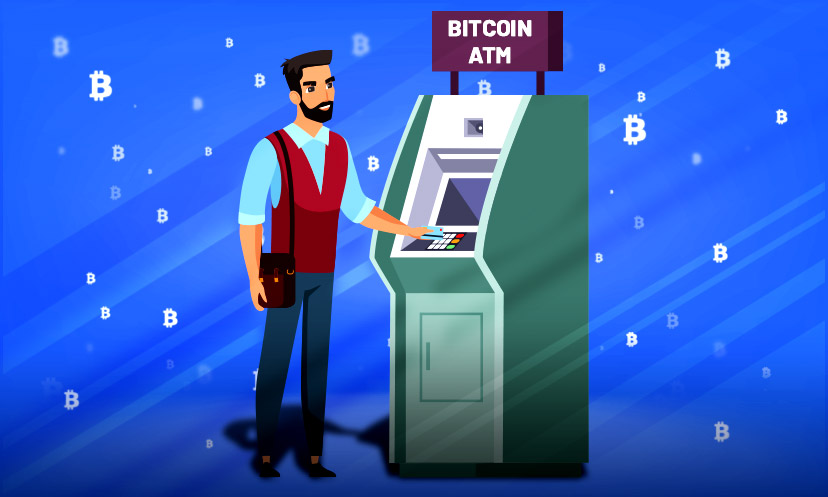
Exodus:

Exodus wallet

A software wallet available for desktop and mobile, Exodus boasts a visually appealing interface and supports a wide range of cryptocurrencies, including Ethereum. While not mining-specific, its ease of use, integrated exchange functionality, and ability to manage Ethereum and ERC-20 tokens make it a solid choice for miners who also trade or use their Ether for other purposes. Exodus gives users control over their private keys.

MyEtherWallet (MEW):

MyEtherWallet

A free, open-source, client-side interface that allows you to interact directly with the Ethereum blockchain. MEW gives you complete control over your private keys and offers various ways to access your wallet, including hardware wallet integration. It’s a more advanced option favored by users who prefer maximum control and transparency when managing their Ethereum and mining proceeds.

Setting Up Your Ethereum Wallet for Mining Payouts

Most Ethereum mining operations involve using specialized mining software that connects to a mining pool. Within the configuration of your mining software, you will typically specify the Ethereum address where you want your mining rewards to be sent. You can use the public address of any of the non-custodial wallets mentioned above (MetaMask, Ledger, Trust Wallet, Exodus, MEW) as your payout address.

Important Security Tips for Mining Wallets:

  • Use a Dedicated Wallet: Consider using a separate Ethereum wallet specifically for receiving mining payouts to isolate these funds from your primary trading or spending wallets.
  • Secure Your Private Keys: Never share your private keys or seed phrase with anyone. Store them securely, preferably offline.
  • Enable 2FA: If your chosen wallet platform offers two-factor authentication, enable it for an added layer of security.
  • Be Wary of Phishing: Mining pools and wallet providers are often targets of phishing scams. Always verify the legitimacy of websites and communications.

Conclusion: Choosing the Right Ethereum Wallet for Your Needs in 2025

Selecting the best Ethereum wallet, especially if you’re involved in mining, depends on your individual priorities regarding security, ease of use, and features. Hardware wallets like Ledger offer the highest security for storing mined Ether. Software wallets like MetaMask, Trust Wallet, and Exodus provide a balance of user-friendliness and functionality for managing mining payouts and interacting with the broader Ethereum ecosystem. MyEtherWallet offers advanced users direct control. By carefully considering your needs and the security best practices outlined, you can choose an Ethereum wallet that effectively manages your mining rewards and Ether holdings in 2025.

How to Recover Stolen Cryptocurrency: An Updated Guide for 2025

Recover Stolen Cryptocurrency

The unfortunate reality of the cryptocurrency space is the prevalence of scams, hacks, and theft. If you’ve found yourself a victim, understanding the steps you can take to potentially recover your stolen cryptocurrency is crucial. While the decentralized and often anonymous nature of crypto makes recovery challenging, immediate and informed action can significantly improve your chances. This updated guide for 2025 outlines the essential steps and strategies to pursue if your digital assets have been stolen.

Act Immediately: Time is of the Essence in Crypto Recovery

The moment you realize your cryptocurrency has been stolen, swift action is paramount. Due to the irreversible nature of many blockchain transactions, delays can drastically reduce the possibility of recovery. Your initial steps should focus on documenting the incident and alerting the relevant authorities and platforms.

Step 1: Document Everything Related to the Cryptocurrency Theft

Meticulous record-keeping is crucial for any potential recovery efforts. Immediately gather and document the following information:

  • Transaction Details: Record the exact date, time, amounts, and transaction IDs (hashes) of the unauthorized transfers. This information is publicly available on the blockchain explorer for the specific cryptocurrency involved (e.g., Etherscan for Ethereum, Blockchair for Bitcoin).
  • Wallet Addresses: Note down the addresses your cryptocurrency was sent from and the recipient address(es) where the stolen funds went.
  • Platform Information: If the theft occurred through a specific exchange, wallet provider, or platform, document all relevant account details, including usernames, email addresses, and any communication you’ve had with their support.
  • Communication Records: Save any emails, messages, or screenshots related to the incident, including any suspicious communications that may have led to the theft (e.g., phishing attempts).
  • Timeline of Events: Create a detailed timeline of when you noticed the theft and any actions you’ve taken since.

Step 2: Report the Cryptocurrency Theft to the Relevant Authorities

Reporting the crime is a vital step, even if the chances of immediate recovery by law enforcement seem slim. Your report contributes to the overall tracking of cybercrime and can potentially aid in larger investigations.
  • Local Law Enforcement: File a police report with your local police department. While they may not have specific expertise in cryptocurrency theft, having an official record of the crime is essential for insurance claims or future legal proceedings.
  • Cybercrime Units: If your local police department has a dedicated cybercrime unit, ensure your report is directed to them. They may have a better understanding of digital asset theft.
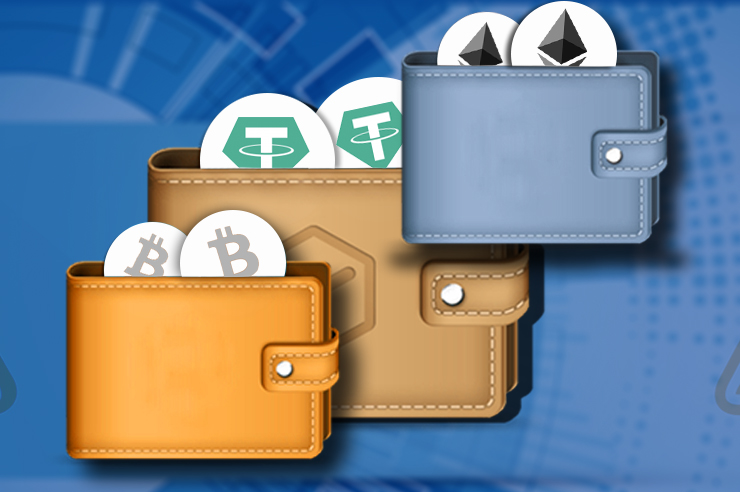
  • Internet Crime Complaint Center (IC3): In many countries, there are national cybercrime reporting agencies (e.g., IC3 in the United States). File a report with these specialized agencies as they often track trends and patterns in online crime.

Step 3: Notify the Affected Cryptocurrency Exchanges and Platforms

If your cryptocurrency was held on an exchange or if the theft involved a specific platform, notify them immediately.

  • Cryptocurrency Exchanges: If your account was compromised or if the stolen funds were initially held on an exchange, contact their support team immediately. Provide them with all the documented details, including transaction IDs and recipient addresses. They may be able to freeze the receiving account if the funds are still within their platform (though this is often unlikely with experienced thieves).
  • Wallet Providers: If you used a custodial wallet service, inform them of the theft. They may have security logs or information that could be helpful.
  • Blockchain Analytics Companies: Consider contacting blockchain analytics firms. These companies specialize in tracking cryptocurrency transactions and identifying the flow of funds. While they can’t directly recover your assets, their analysis can provide valuable information for law enforcement or legal action. Some well-known firms include Chainalysis and Elliptic.

Step 4: Explore Potential Recovery Methods (Limited but Worth Pursuing)

Directly recovering stolen cryptocurrency is often difficult, but there are avenues to explore:

  • Legal Action: If you can identify the perpetrator (which is often a significant challenge), you may be able to pursue legal action to recover your funds. This can be a lengthy and expensive process with no guarantee of success.
  • Insurance Policies: If you had cryptocurrency insurance, review your policy to see if it covers theft. Promptly file a claim with all the necessary documentation.
  • Coordinated Community Efforts: In some instances, particularly with large-scale scams, affected communities may organize and pool resources to track down perpetrators or pursue legal action collectively. Stay informed through relevant online forums and social media groups (with caution, as recovery scams are also prevalent).
  • Bug Bounties and White Hat Hackers: In rare cases, if the theft involved a hack of a platform, bug bounty programs or ethical hackers might be able to identify vulnerabilities or track the stolen funds. However, this is not a direct recovery method for individual users.

Step 5: Be Wary of Recovery Scams

Unfortunately, the aftermath of cryptocurrency theft often attracts scammers who prey on victims’ desperation. Be extremely cautious of anyone offering guaranteed recovery services for a fee. These are almost always scams and will result in further financial loss. Never share your private keys or recovery phrases with anyone. Legitimate recovery efforts typically involve law enforcement or legal channels, not unsolicited offers online.

Prevention is the Best Defense: Strengthening Your Crypto Security in 2025

While this guide focuses on recovery, the most effective way to protect your cryptocurrency is to implement robust security measures proactively:

  • Use Strong, Unique Passwords: Employ complex passwords for all your crypto-related accounts and never reuse passwords.
  • Enable Two-Factor Authentication (2FA): Activate 2FA on all platforms that support it. Use authenticator apps rather than SMS-based 2FA for enhanced security.
  • Utilize Hardware Wallets: For significant holdings, store your cryptocurrency in a hardware wallet, which keeps your private keys offline and protected from online threats.
  • Be Vigilant Against Phishing: Carefully scrutinize emails, messages, and websites for any signs of phishing attempts. Never click on suspicious links or enter your credentials on unverified sites.
  • Educate Yourself: Stay informed about the latest cryptocurrency scams and security best practices.
  • Use Reputable Platforms: Choose well-established and reputable cryptocurrency exchanges and wallet providers with a strong security track record.
  • Consider Multi-Signature Wallets: For shared accounts or high-value holdings, multi-signature wallets require multiple private keys to authorize transactions, adding an extra layer of security. 1

Conclusion: Navigating the Difficult Path of Cryptocurrency Recovery in 2025

Recovering stolen cryptocurrency remains a challenging endeavor. While there’s no guaranteed method, taking immediate, documented action and reporting the incident to the appropriate authorities are crucial first steps. Be cautious of recovery scams and prioritize strengthening your security practices to prevent future losses. The evolving landscape of cryptocurrency security and regulation may bring new recovery mechanisms in the future, but for now, vigilance and proactive security remain your strongest defenses.

List Of World’s Richest Bitcoin Owners

Bitcoin Owners

The massive popularity and unprecedented growth of cryptocurrencies over the past few years are undoubtedly credited to bitcoin. It is the first digital currency that became a sensation ever since it made its debut on January 2, 2009. Although there is no consensus about its real founder, as some say it is Satoshi Nakamoto, whereas some consider Craig Wright, in most cases, Satoshi Nakamoto is believed to be its real founder.

Well, let us not get into much confusion about finding the real person behind the well-known cryptocurrency, bitcoin, as today with this blog we are bringing you the list of the Top Ten richest bitcoin owners that many people are not aware of.

With more and more people exploring bitcoin for investment and making transactions digitally, it has emerged as a promising crypto coin and the best alternative to traditional currencies. When Bitcoin was at its lowest value in its initial days, there were people who due to utmost curiosity, purchased it and now have become the richest Bitcoin owners around the globe. Besides this, some richest bitcoin owners in India have also become millionaires after obtaining bitcoin in multiple ways.


Also Read: How to open a bitcoin account 

Richest Bitcoin Owners Individuals Updated List

Satoshi Nakamoto:

The enigmatic and pseudonymous creator of Bitcoin remains the largest individual holder, with an estimated 1.1 million BTC mined in the early days of the cryptocurrency. These coins, held in several addresses, have remained largely dormant, fueling speculation about Satoshi’s identity and intentions. The value of this hoard, even with Bitcoin’s volatility, is immense, solidifying Satoshi’s legendary status in the crypto world. Their vision and creation have spawned a multi-trillion dollar industry, yet their personal involvement ceased years ago.

Changpeng Zhao (CZ):

CZ Bitcoin

As the founder and former CEO of Binance, the world’s largest cryptocurrency exchange by trading volume, CZ has amassed a significant personal fortune, a substantial portion of which includes Bitcoin. While his exact holdings are private and subject to market fluctuations, estimates in early 2024 placed his net worth around $15 billion, heavily influenced by his crypto assets. His leadership at Binance has been instrumental in the widespread adoption of Bitcoin and other cryptocurrencies globally.

Winklevoss Twins (Cameron and Tyler):

These early Bitcoin evangelists and founders of the Gemini cryptocurrency exchange made a significant bet on Bitcoin in its nascent stages. Following their settlement with Mark Zuckerberg, they invested a considerable sum in Bitcoin when its price was around $10 per coin. Their estimated holdings of around 70,000 BTC underscore their long-term belief in Bitcoin’s potential as a store of value and a transformative technology. They continue to advocate for and build infrastructure within the crypto space.

Tim Draper:

Tim Draper

A renowned venture capitalist with a keen eye for disruptive technologies, Tim Draper is another early and prominent Bitcoin investor. He famously won an auction of nearly 30,000 BTC seized by the US Marshals Service from the Silk Road marketplace in 2014. His continued bullish stance on Bitcoin and his predictions of its future value have made him a respected voice in the crypto community. Draper’s investment underscores the potential for substantial returns for those who recognized Bitcoin’s value early on.

Michael Saylor:

Michael Saylor Bitcoin

The chairman of MicroStrategy, a business intelligence firm, Michael Saylor has become one of the most vocal corporate advocates for Bitcoin. While his personal holdings are significant, around 17,732 BTC, his primary impact on Bitcoin ownership is through MicroStrategy’s massive accumulation. He has championed Bitcoin as a superior treasury reserve asset, leading his company to amass over 528,000 BTC, influencing other corporations to consider Bitcoin as part of their financial strategy.

Richest Bitcoin Owning Companies Updated List

MicroStrategy:

MicroStrategy Bitcoin


Under the unwavering conviction of Michael Saylor, MicroStrategy has adopted a unique strategy of leveraging debt to acquire Bitcoin as its primary treasury reserve asset. Holding approximately 528,185 BTC as of April 2025, the company’s commitment to Bitcoin is unparalleled among publicly traded corporations. This substantial accumulation reflects a belief in Bitcoin’s long-term appreciation and its role as a hedge against traditional financial inflation. Their strategy has been closely watched and debated within both the crypto and traditional finance sectors.

Binance:

Binance Poland

As the world’s largest cryptocurrency exchange by trading volume, Binance holds a massive amount of Bitcoin on its platform. These holdings primarily represent the assets of its millions of users, ensuring the exchange has sufficient reserves to cover their holdings. The exact figure fluctuates with market activity and user deposits/withdrawals, but it consistently ranks as one of the largest single entities holding Bitcoin. Binance’s proof-of-reserves initiatives aim to provide transparency regarding these holdings.

U.S. Government:

The United States government has become a significant holder of Bitcoin through seizures from illegal activities, including the Silk Road marketplace and other criminal enterprises. The exact amount held is not always publicly disclosed and can fluctuate as the government auctions off seized assets. However, estimates place their holdings at over 200,000 BTC, making them one of the largest single holders globally. The management and potential sale of these seized assets are subjects of ongoing discussion within the crypto community.

Marathon Digital Holdings:

As one of the largest publicly traded Bitcoin mining companies in North America, Marathon Digital Holdings has accumulated a substantial amount of Bitcoin through its mining operations. Holding around 46,374 BTC, their strategy involves mining and retaining a significant portion of the Bitcoin they produce. This reflects a direct investment in the future of Bitcoin and their role in securing the network through mining. Their holdings make them a key player in the Bitcoin ecosystem.

Tesla:

Tesla

The electric vehicle and clean energy company, led by Elon Musk, made headlines in early 2021 with a significant investment in Bitcoin. While they later sold a portion of their holdings, Tesla still retains a notable amount, around 11,509 BTC as of April 2025. This initial investment and subsequent partial sale have generated considerable discussion about corporate adoption of Bitcoin and the influence of prominent figures on the market.

Top Bitcoin Owning Governments Updated List

United States:

As detailed above, the U.S. government’s substantial Bitcoin holdings are primarily a result of law enforcement seizures. The sheer volume of Bitcoin in their possession underscores the role of cryptocurrency in illicit activities, but also the government’s increasing involvement in the digital asset space through regulation and asset management.

Bulgaria:

Reports from several years ago indicated that Bulgaria seized a large quantity of Bitcoin from criminal activities. While official current figures are not always readily available, the initial seizure placed their holdings as potentially very significant on a governmental level. The status and management of these Bitcoin reserves remain of interest within the crypto community.

Ukraine:

Ukraine has also been reported to hold a notable amount of Bitcoin, particularly following donations received in cryptocurrency to support its defense efforts. This highlights a novel use case for Bitcoin in international aid and fundraising during times of crisis. The transparency and management of these crypto donations have been closely monitored.

El Salvador:

As the first country to officially adopt Bitcoin as legal tender, El Salvador has been actively acquiring Bitcoin for its treasury. While the exact amount is smaller compared to some other entities, this strategic move by a sovereign nation marks a significant step in Bitcoin’s mainstream adoption and its potential role in national economies.

 Exploring Bitcoin Millionaires List

Let’s have a look at India’s top 5 crypto investors who became richer after owning bitcoin.

Richest Bitcoin Owners in India (April 2025)

Pinpointing the wealthiest individual Bitcoin owners in India is challenging due to the private nature of crypto holdings and the lack of comprehensive public data. However, we can identify prominent figures in the Indian crypto space who have likely accumulated significant Bitcoin and other crypto assets through their ventures and early adoption:

Jaynti Kanani:

Jaynti Kanani

Co-founder of Polygon (formerly Matic Network), Jaynti Kanani is considered one of India’s first crypto billionaires. While his wealth is tied to the success of Polygon and its native token MATIC, it’s highly probable that he also holds significant amounts of Bitcoin, having been involved in the crypto space since its early days.

Nischal Shetty:

WazirX CEO Takes a Dig At ‘Intellectual’ Figures of India

Founder and CEO of WazirX, one of India’s largest cryptocurrency exchanges. As an early adopter and the head of a major exchange, Shetty likely holds a substantial amount of Bitcoin and other cryptocurrencies. He has also been a prominent advocate for the crypto industry in India.    

Sumit Gupta:

Co-founder and CEO of CoinDCX, another leading cryptocurrency exchange in India. Similar to Shetty, Gupta’s early involvement and leadership in a major exchange suggest significant personal holdings in Bitcoin and other digital assets.

Ashish Singhal:

Founder and CEO of CoinSwitch Kuber, a prominent crypto investment platform in India. His role in building a major platform and his early entry into the crypto space likely mean he holds a notable amount of Bitcoin.

Prominent Crypto Entrepreneurs and Investors:

There are likely other high-net-worth individuals and early investors in India who prefer to keep their Bitcoin holdings private. Identifying exact figures for these individuals is extremely difficult.

Conclusion

So these are some of the top richest bitcoin owners, which most of us may not be aware of too much. These investors have become wealthy since they started investing in bitcoin as early as it was launched. Bitcoin is an undisputed cryptocurrency facing much competition with other alternative cryptocurrencies. But most of the time, it always excels above all. The credit for its success, what it is today, goes to all these people who made it famous in its initial days. And special credit goes to none other than its mysterious founder Satoshi Nakamoto.

5 Best Crypto Wallets to Secure Your Digital Assets in May 2025

Top 5 Crypto Wallets May 2025

Choosing the right crypto wallet is a foundational step in your cryptocurrency journey. These digital tools are essential for securely storing, managing, and transacting your Bitcoin, Ethereum, and other digital currencies. With a growing number of options available, selecting the best crypto wallet for your needs in May 2025 requires careful consideration of security features, supported cryptocurrencies, ease of use, and overall functionality. This guide will walk you through the top contenders to help you make an informed decision and safeguard your valuable digital assets.

Understanding Crypto Wallets:

At its core, a crypto wallet doesn’t actually store your cryptocurrency in the traditional sense. Instead, it holds the private keys necessary to access your digital assets on the blockchain. Think of it like a digital keychain that allows you to authorize transactions. Without these private keys, your crypto remains inaccessible, highlighting the critical importance of choosing a secure and reliable wallet. Different types of crypto wallets cater to varying needs and security preferences, ranging from convenient software-based options to more secure hardware devices.

Factors to Consider When Choosing a Crypto Wallet

Before diving into our top 5 crypto wallets for May 2025, it’s crucial to understand the key factors that influence your choice. Security remains paramount, with features like two-factor authentication (2FA), multi-signature support, and cold storage options being vital. The range of supported cryptocurrencies is also essential; ensure the wallet supports the specific digital assets you intend to hold or trade. User-friendliness, especially for beginners, is another important aspect. Finally, consider the fees associated with transactions and any additional features offered, such as staking or integration with decentralized applications (dApps).

Top 5 Crypto Wallet Platforms to Consider in May 2025

Choosing the right platform for your crypto wallet is a crucial decision. Here are five well-regarded options available in May 2025, each offering unique features and catering to different user needs:

1. Trust Wallet:

Trust Wallet

Trust Wallet is a mobile-first, non-custodial wallet that supports a vast array of cryptocurrencies across different blockchains. It is the official crypto wallet of Binance and offers seamless integration with the Binance ecosystem. Trust Wallet provides a user-friendly interface for sending, receiving, staking, and exploring dApps. Its broad asset support and mobile focus make it a popular choice for users with diverse portfolios and those who prefer managing their crypto on the go.

2. Ledger:

Ledger

Ledger is a leading manufacturer of hardware wallets, offering devices like the Nano S Plus and Nano X. These physical devices store your private keys offline, providing a high level of security for a wide variety of cryptocurrencies. Ledger wallets require physical connection to a computer or mobile device for transactions and offer robust security features, making them a preferred choice for users prioritizing the safety of their long-term crypto holdings.

3. Exodus:

Exodus wallet

Exodus is a software wallet available for desktop and mobile platforms, known for its user-friendly design and support for a large number of cryptocurrencies. It offers an integrated exchange, allowing users to swap between different assets within the wallet. Exodus prioritizes ease of use while giving users control over their private keys. It also provides 24/7 customer support.

4. MetaMask:

MetaMask Wallet

MetaMask is a widely used browser extension and mobile wallet primarily focused on the Ethereum blockchain and its ecosystem of ERC-20 tokens and decentralized applications (dApps). It allows users to interact seamlessly with Web3 applications and manage their Ethereum-based assets. While primarily focused on Ethereum, it also supports other EVM-compatible networks. Its ease of integration with dApps makes it a favorite among DeFi users and NFT collectors.

5. Coinbase wallet:

coinbase wallet

Coinbase Wallet is a popular self-custody mobile wallet known for its intuitive interface and ease of use, making it an excellent choice for beginners. It supports a wide range of cryptocurrencies and allows users to easily send, receive, and store their digital assets. Additionally, it facilitates interaction with decentralized applications (dApps) and provides a seamless experience for those already within the Coinbase ecosystem. Security features include biometric authentication and secure enclave technology.

Key Considerations When Choosing a Crypto Wallet Platform

When selecting a crypto wallet platform, consider factors such as the cryptocurrencies you wish to support, the level of security offered, the user interface and ease of use, the availability of customer support, and any specific features you may need, such as dApp integration or exchange functionality. Research each platform to ensure it aligns with your individual requirements and security preferences in May 2025.

Conclusion: Choosing the Right Wallet for Your Crypto Needs in May 2025

Selecting the best crypto wallet in May 2025 depends heavily on your individual needs, security preferences, and how you intend to use your digital assets. Mobile wallets offer convenience for everyday transactions, while hardware wallets provide the highest level of security for long-term storage. Desktop wallets offer a balance of control and features, web wallets provide seamless exchange integration, and multi-currency wallets simplify the management of diverse portfolios. By carefully considering the factors outlined in this guide and adhering to security best practices, you can confidently choose a crypto wallet that best safeguards your digital assets in the ever-evolving landscape of cryptocurrency.

Why Multi-Crypto Casinos Like Bitsler Are Shaping the Future of Online Gambling

crypto casino

The crypto space continues to evolve rapidly—and one of the most exciting areas of growth is blockchain-based gambling. As digital currencies gain mainstream adoption, online casinos that support multiple cryptocurrencies are seeing explosive demand. At the forefront of this shift is Bitsler, a trusted crypto casino that accepts over 30 coins and offers a feature-rich, no-KYC experience built for the Web3 era.

In this article, we’ll explore how multi-crypto support is becoming a game-changer in online gambling, and why Bitsler is setting the gold standard.

The Rise of Multi-Crypto Casinos

While Bitcoin remains the poster child for the cryptocurrency world, today’s digital economy is powered by a wide variety of coins—from Bitcoin and Litecoin to stablecoins like USDT and newer altcoins like TRX and DOGE.

For years, many online casinos accepted only BTC. But in 2025, players expect more.

Why the shift to multi-crypto platforms?

  • Diversification: Users hold a mix of coins in their wallets.
  • Lower Fees: Coins like TRX and LTC offer faster, cheaper transactions.

  • Stable Wagering: Stablecoins let users avoid volatility while playing.
  • Speed & Flexibility: More options mean faster deposits and easier cash-outs.

As crypto ecosystems mature, players want to use whatever coin they’re holding—not be limited to a single chain.

Bitsler: Leading the Multi-Crypto Movement

Since 2015, Bitsler has evolved into one of the most respected crypto gambling brands worldwide. It was one of the earliest platforms to go crypto-native, and today, it supports 30+ cryptocurrencies—including Bitcoin, Ethereum, Litecoin, Dogecoin, Tether, Ripple, Tron, and many more.

But Bitsler Bitcoin casino isn’t just about quantity. The platform is designed for speed, privacy, and fair gameplay, which makes it a favorite among both DeFi-savvy users and casual crypto gamblers.


Bitsler – The Crypto Casino Taking Over in 2025

If you’re looking for a trusted, feature-rich crypto casino, Bitsler is one of the best platforms available. Since launching in 2015, it has built a reputation for fairness, security, and innovation, making it a top choice for players worldwide.

Here’s what sets Bitsler apart:

  • 200% Welcome Bonus Up to $2,000 + 500 Free Spins
  • No KYC Required – Play & Withdraw Anonymously
  • Instant Crypto Transactions with 30+ Supported Coins
  • Provably Fair Games & Live Casino Options
  • A Trusted Brand with 9+ Years of Experience

Let’s dive deeper into what makes Bitsler the ultimate choice for crypto gambling.


Massive Welcome Bonus – 200% Up to $2,000 + 500 Free Spins

Bitsler rewards new players generously, offering a 200% deposit match up to $2,000, plus 500 free spins on top slot games.

How to Claim Your Bonus:

  • Sign up at Bitsler (free & instant)
  • Make your first crypto deposit
  • Receive a 200% bonus + 500 free spins automatically!

Whether you’re a seasoned gambler or just entering the world of crypto casinos, this bonus offers a massive head start.

Play Anonymously – No KYC, No Hassle

Unlike traditional platforms, Bitsler requires no identity verification. This means:

  • Total privacy
  • Fast withdrawals without delays
  • No document uploads

With tightening global regulations, no-KYC platforms like Bitsler are becoming essential for crypto users who value their freedom and anonymity.

A Wide Range of Crypto-Friendly Casino Games

Bitsler has something for every kind of player:

  • Slots – Hundreds of titles with high RTP
  • Live Casino – Blackjack, Roulette, Baccarat with real dealers
  • Provably Fair Games – Dice, Plinko, Limbo, Blast
  • Instant-Win games – Fast-paced crypto betting options

All games are optimized for smooth performance on desktop and mobile, no matter which coin you use.

Fast, Secure Transactions with 30+ Cryptocurrencies

Bitsler supports an impressive lineup of coins:

  • BTC, ETH, LTC, DOGE, TRX, XRP, USDT—and more.

With near-zero fees, instant processing, and no middlemen, Bitsler Bitcoin casino is redefining what “fast cash-out” means in crypto gaming.

Want loyalty perks? Check out the Loyalty Club and Referral Club programs to earn rewards as you play.

Bitsler and the Future of DeFi-Integrated Gaming

Bitsler is more than just a casino—it’s a gateway into the future of decentralized, blockchain-integrated entertainment.

What makes it future-proof?

  • Provably Fair Technology – All results are verifiable on-chain
  • Borderless Access – No regional restrictions or banking limits
  • Web3-Ready – Crypto-native UX and wallet-first design
  • Esports & Sports Betting – Bet on major matches in real time via Esports or Sports sections

In 2025, users want speed, privacy, and choice. Bitsler delivers all three—with the added bonus of being fun.

Final Verdict: Multi-Crypto Casinos Are the Future—and Bitsler Is Already There

Crypto users in 2025 don’t want limitations—they want options. The best platforms are those that support multiple digital assets, eliminate verification roadblocks, and offer exciting incentives for players.

Bitsler stands tall as a proven leader in this space. With its 30+ coin support, massive welcome bonuses, and cutting-edge privacy features, it’s not just following the Web3 revolution—it’s helping lead it.

Ready to play? Sign up at Bitsler today and claim your 200% bonus + 500 free spins—no ID, no delays, just pure crypto-powered gaming.


Dogecoin (DOGE) Price Prediction: Projecting the Future to April 2025

Dogecoin Ice Cube Dinner

As the cryptocurrency market continues to evolve, investors are keenly interested in the future trajectory of various digital assets, including Dogecoin (DOGE). This analysis delves into the potential price prediction for Dogecoin by April 2025, considering current market trends and future projections.

Analyzing Current Market Trends and Future Projections

To formulate a realistic price prediction, it’s essential to analyze the current market trends and consider potential future developments. Factors such as adoption rates, technological advancements, and overall market sentiment will play a crucial role in shaping Dogecoin’s value by April 2025.

Potential Growth Factors and Market Influences

Several factors could influence Dogecoin’s price in the coming years. Increased mainstream adoption, celebrity endorsements, and the development of practical use cases could drive demand and contribute to price appreciation. Conversely, regulatory changes and market volatility could pose challenges.

Impact of Community and Social Media on Dogecoin’s Value

Dogecoin’s value has historically been significantly influenced by its vibrant online community and social media trends. The continued engagement of this community and the potential for viral trends could play a substantial role in shaping Dogecoin’s price by April 2025.

Assessing the Risks and Opportunities

While the potential for growth exists, investors must also consider the inherent risks associated with cryptocurrency investments. Market volatility, regulatory uncertainty, and competition from other digital assets are factors that could impact Dogecoin’s price.

Looking Ahead:

The prediction for Dogecoin’s price by April 2025 remains speculative, as the cryptocurrency market is highly dynamic. However, by considering current trends and potential future developments, investors can gain a better understanding of the asset’s long-term potential. The coming years will be crucial in determining Dogecoin’s trajectory and its place in the evolving digital asset landscape.

Crypto Market Boom: How Rising Bitcoin Prices Drive Online Casino Adoption – A Closer Look at Bitsler

Bitcoin Moves $44

The cryptocurrency market is heating up once again, with Bitcoin’s price surging to new heights. Whenever BTC experiences a bull run, it has a ripple effect across different sectors—including online gambling. Crypto casinos are seeing a major spike in adoption, as more players look to bet their growing crypto holdings on high-stakes games, massive jackpots, and lucrative promotions.

Among these platforms, Bitsler has emerged as one of the most trusted crypto casinos, offering fast transactions, a no-KYC policy, and one of the best welcome bonuses in the industry. In this article, we’ll explore how Bitcoin’s price surge is driving the growth of crypto gambling, why Bitsler is leading the charge, and how you can get started with a 200% welcome bonus up to $2,000 plus 500 free spins.

Bitcoin’s Bull Run and the Surge in Crypto Gambling

Whenever Bitcoin’s price rises, it attracts millions of new and returning investors into the crypto space. With more people holding BTC, alternative ways of using it become more appealing—including crypto gambling.

Here’s why high Bitcoin prices fuel crypto casino adoption:

  1. Bitcoin Gains Mean More Disposable Crypto Wealth As BTC continues its upward trend, holders see their portfolios grow. Many look for fun and profitable ways to use their crypto, and betting on provably fair casino games is an exciting option.
  2. Crypto Casinos Offer Faster, Hassle-Free Transactions Traditional online casinos rely on bank transfers, credit cards, and third-party payment processors—all of which come with long processing times, high fees, and strict verification checks.

Bitsler, on the other hand, allows instant deposits and withdrawals using Bitcoin and 20+ other cryptocurrencies, ensuring that players never have to wait long to access their funds.

  1. The Popularity of No-KYC Casinos With crypto regulations tightening worldwide, many players are looking for privacy-focused platforms where they can gamble anonymously.

Unlike traditional casinos that require extensive KYC (Know Your Customer) verification, Bitsler allows players to bet and withdraw their winnings without submitting personal documents. This no-KYC approach makes it one of the best options for crypto gamblers who prioritize privacy.

Bitsler – The Crypto Casino Taking Over in 2025

If you’re looking for a trusted, feature-rich crypto casino, Bitsler Casino is one of the best platforms available. Since launching in 2015, it has built a reputation for fairness, security, and innovation, making it a top choice for players worldwide.

Here’s what sets Bitsler apart:

  • 200% Welcome Bonus Up to $2,000 + 500 Free Spins
  • No KYC Required – Play & Withdraw Anonymously
  • Instant Crypto Transactions with 20+ Supported Coins
  • Provably Fair Games & Live Casino Options
  • A Trusted Brand with 9+ Years of Experience

Massive Welcome Bonus – 200% Up to $2,000 + 500 Free Spins

Bitsler rewards new players generously, offering a 200% deposit match up to $2,000, plus 500 free spins on top slot games.

How to Claim Your Bonus:

  • Sign up at Bitsler (free & instant).
  • Make your first crypto deposit.
  • Receive a 200% bonus + 500 free spins automatically!

This offer maximizes your initial deposit, allowing you to play with 3x your original bankroll.

Play Anonymously – No KYC, No Hassle

One of Bitsler’s biggest advantages is its commitment to privacy. Unlike most online casinos, Bitsler does not require identity verification, meaning you can:

  • Deposit, play, and withdraw without submitting personal documents
  • Enjoy fast, anonymous crypto transactions
  • Cash out your winnings instantly, with no banking delays

For crypto users who value their privacy, this is a game-changer.

A Wide Range of Crypto-Friendly Casino Games

Bitsler offers a diverse selection of games, catering to all types of players:

  • Slot Machines – Spin the reels on hundreds of high-RTP slots from top-tier providers.
  • Live Casino – Play Blackjack, Roulette, Baccarat, and more with real dealers.
  • Provably Fair Games – Exclusive in-house titles like Dice, Plinko, Limbo, and Blast.
  • Instant-Win Games – Fast-paced betting options for quick action and big rewards.

Every game on Bitsler is optimized for crypto betting, ensuring smooth, lag-free gameplay across all devices.

Fast, Secure Transactions with 20+ Cryptocurrencies

Bitsler supports a wide range of cryptocurrencies, allowing players to deposit and withdraw in their preferred digital assets.

Some of the supported coins include:

  • Bitcoin (BTC), Ethereum (ETH), Litecoin (LTC)
  • Dogecoin (DOGE), Ripple (XRP), Tether (USDT), Tron (TRX)

With low-to-zero transaction fees and near-instant processing times, Bitsler ensures that players can enjoy seamless crypto gambling without the usual banking headaches.

Why Crypto Casinos Like Bitsler Are the Future of Online Gambling

As Bitcoin adoption continues to grow, crypto casinos are becoming the preferred choice for online gambling. Here’s why platforms like Bitsler are leading the future of the industry:

  • Instant Transactions – No waiting for slow bank approvals or payment processing.
  • Privacy & Security – No KYC requirements mean complete anonymity.
  • Bigger & Better Bonuses
  • Provably Fair Games – Blockchain-based fairness ensures 100% transparency.
  • Borderless Gaming – No country restrictions, no banking limitations—just pure crypto fun.

More players are recognizing the benefits of Bitcoin gambling, and Bitsler is at the forefront of this revolution.

Final Verdict: Is Bitsler Worth It?

If you’re looking for a top-tier Bitcoin casino that combines privacy, fast transactions, and exciting gameplay, then Bitsler is one of the best choices in 2025.

With a massive welcome bonus, no-KYC withdrawals, and an extensive game library, Bitsler offers a superior gambling experience for both casual players and high-rollers.

👉 Sign up at Bitsler today and claim your 200% bonus + 500 free spins – no ID, no hassle, just crypto fun!


Play, Earn & Rise— Dragoin ($DDGN) Could Be the Best Meme Coin Buy Right Now With 6,700% Upside

your portfolio boring

Thinking of the best meme coin to buy right now? Instead of sticking with familiar names like Doge or Shiba, keep an eye on a rising star that’s making waves quietly— Dragoin ($DDGN).

Now entering the early stages of its presale, Dragoin mixes gaming rewards, viral content, and a tight-knit online community into one powerful crypto project. The highlight is its real-time Telegram game where users guide dragons and earn $DDGN while playing. This isn’t just another hype coin—it’s offering real engagement.

Why Dragoin Could Be the Most Talked-About Meme Coin of 2025

Meme coins often bring surprises, and Dragoin stands out this year. Launching at just $0.0000292 in Stage 1 and targeting a public price of $0.002, it holds the potential for a 6,700% gain. These numbers speak for themselves.

Most meme coins rely only on internet trends, but Dragoin brings together a fantasy-based game, creative storytelling, and deflationary mechanics in one connected platform.

dragoins are here to ride

Key Features That Set Dragoin Apart

Telegram Gaming That Pays


Instead of being passive, Dragoin puts your crypto to work. Its fast-moving Telegram game lets users dodge, jump, and collect $DDGN while playing. It’s easy, direct, and requires no app installs—just open Telegram and start earning.

Presale With 25 Phases and Burn Policy


Split across 25 themed stages inspired by fantasy events like “The Battle of Winterfell,” Dragoin’s presale increases in price as stages fill. Early buyers benefit most. Any leftover coins from each stage will be destroyed permanently, limiting supply and encouraging growth in value.

Strong Return Possibility


Starting from $0.0000292 and aiming for $0.002 at launch, Dragoin promises a huge return—6,700% for those who join in early. Even those entering mid-presale can expect major potential as Dragoin continues to grow in visibility and use.

Audited and Fully Renounced Contract


Dragoin takes security seriously. The project’s contract has been renounced, making it fully decentralized. Running on Ethereum’s ERC-20 protocol, it’s prepared for immediate integration with top DEX platforms like Uniswap post-launch.

dragoin presale is live

Dragon’s Roadmap: What’s Coming Next

Dragoin is more than entertainment—it has a structured plan:

  • Q2 2025: Presale begins, community grows, referral rewards, and airdrops go live
  • Q3 2025: Game release on Telegram, where players can start earning $DDGN live
  • Q4 2025: Exchange listings, staking, voting rights, and new feature releases within the Dragoin project

Dragoin ($DDGN) is offering what others haven’t—real use and gameplay before even hitting public listings. With an already playable game, unique theme, built-in coin burning, and clear user-focused benefits, it may become the leading meme coin of 2025.

Getting in early means more than just a low price—it means being part of something active and growing. Once $DDGN is all over the news, these early offers will be long gone.

play earn dominate


Learn More About Dragoin:

Website: https://dragoin.io/

Presale: https://purchase.dragoin.io/

Telegram: https://t.me/DragoinOfficial

X: https://x.com/DragoinOfficial

$5M in 24 Hours? BlockDAG Sets Another Record Post-Keynote 3! MATIC Dips 26%, VET Falls 18%

$5 Million Raised in 48 hours

When blockchain initiatives transition from concepts to tangible products, confidence typically grows. Polygon and VeChain are established for their unique functionalities, scalability, and roles in supply chain tracking, having developed their reputations over many years. Recently, focus has shifted towards BlockDAG due to its swift progress post-Keynote 3.

While MATIC and VET have experienced declines over the past year, BlockDAG (BDAG) managed to secure $5 million within just two days, elevating its presale total to $210.5 million. Having sold over 19.1 billion coins and achieving a 2,380% ROI since its first batch, BlockDAG demonstrates that clear execution timelines are pivotal for traction in crypto presales.

Polygon: Boosting Ethereum’s Scalability

Polygon (MATIC) serves as a Layer 2 scaling solution enhancing Ethereum’s scalability by providing quicker and more economical transactions. It uses sidechains and an adapted proof-of-stake mechanism, facilitating developers to craft and launch decentralized applications with better performance. Highlighting its initial rise, Polygon’s IEO on Binance in 2019.1 sold 1.9 billion MATIC tokens at $0.00263 each, raising around $5 million.

record breaking year blockdag


As of April 1, 2025, MATIC is valued at $0.204629, marking a slight gain of 1.17% from its previous close. Despite a 26.33% fall over the last year, the outlook for Polygon remains hopeful, with predictions suggesting MATIC could hit $1.03 in 2024 and might soar to $10.51 by 2030.

VeChain: Advancing Supply Chain Transparency

VeChain (VET) is a blockchain platform aimed at improving supply chain clarity and product tracking. It employs a dual-token approach with VET for transfers and VeThor (VTHO) for transaction costs. Reflecting on its history, VeChain’s ICO in 2017 was a success, collecting over $20 million for its growth.

Best Wallet Token

Currently, VET is trading at $0.02288327, showing an uptick of 2.76% from its previous close. However, it has fallen by roughly 18.04% over the past year. Future prospects look bright, with some estimates predicting VET could reach around $0.08 by the end of 2025 and may ascend to $0.33 by 2030.

BlockDAG Ignites Market Buzz: $5M Presale Spike Post-Keynote

BlockDAG’s latest keynote was more than just an update—it was a milestone that sparked significant excitement. Within just two days after the event, the project secured an impressive $5 million in additional presale funds, bringing the total to a remarkable $210.5 million. This surge wasn’t just a nod to their presentation; it was a clear endorsement of the strategic roadmap and technical demonstrations revealed at Keynote 3.

The presentation was laser-focused on practicality, scalability, and incentives for the community, detailing how the project is being integrated into real-world applications today and not in the distant future. For example, the beta version of their testnet “Primordial” provided a practical showcase of the DAG architecture, bridging the gap between theoretical promise and practical execution.

blockdag explorer

As it stands, the presale has reached Batch 27, with the coin now priced at $0.0248, marking a 2,380% ROI for early backers who joined at the initial $0.001 price. So far, over 19.1 billion coins have been snapped up by users who are drawn not just by impressive figures but by the tangible progress the project has shown. This approach has cultivated a foundation of trust, rooted in clear and tangible advancements rather than mere hype.

In essence, BlockDAG’s strategy of coupling public updates with substantial backend achievements has transformed their announcements into catalysts for action. For both early backers and prospective observers, the market’s response is unequivocal: the project is not only promising—it’s delivering, and the growing support is palpable.

Execution and Clarity Lead the Charge

While Polygon and VeChain have proven that sustained utility and infrastructure development are crucial for long-term relevance, BlockDAG’s recent burst in crypto presale activity underlines a growing market appreciation for rapid, clear, and tangible progress.

The immediate and enthusiastic reaction to Keynote 3, in terms of both financial backing and community engagement, shows that market confidence now depends as much on actual performance as on potential. As longstanding projects refine their offerings, BlockDAG has made transparency and timely delivery its hallmark of trust. Current market dynamics suggest a shift in focus from historical inception to impactful execution.

click here to experience BDAG

Presale: https://purchase.blockdag.network

Website: https://blockdag.network

Telegram: https://t.me/blockDAGnetworkOfficial

Discord: https://discord.gg/Q7BxghMVyu


BlockDAG’s Keynote 3 Confirms Beta Testnet Launch—Presale Hits $210.5M While Ethereum Price Slips & XRP Value Tests Support

test the future beta testnet Live

Ethereum’s recent dip has put the Ethereum (ETH) price forecast under the microscope again, especially with the Pectra upgrade still fresh off the testnet. Over in XRP territory, things are tense too—analysts can’t seem to agree on where the XRP value is heading next.

But while those two hover in wait-and-see mode, BlockDAG (BDAG) is moving ahead fast. It’s recently launched Keynote 3 has made it official that the Beta Testnet V1 is now live and open to the public. Users are already testing tools, exploring dApps, and shaping the network before its full launch. With over $210.5 million raised in presale, momentum isn’t slowing down for this layer-1 crypto project.

Ethereum Price Forecast Faces Pressure Despite Pectra Upgrade

The Ethereum (ETH) price forecast is facing renewed scrutiny following a 3% decline, even as the Pectra upgrade was successfully deployed on the Hoodi testnet. Despite resolving prior issues seen on Holesky and Sepolia, ETH’s drop to $2,000 reflects technical weakness, with analysts warning of a possible bearish flag pattern. If confirmed, Ethereum may break below $1,818, exposing it to further downside.

record breaking year blockdag

While the Pectra upgrade introduces improvements like ERC-20 gas fee payments and expanded staking limits, near-term market sentiment remains cautious. The next Ethereum price forecast may hinge on upcoming developer call and Pectra’s potential April 25 mainnet launch.

XRP Value to See Breakout or Breakdown Next? Analysts Weigh In

The XRP value has entered a critical phase, with the token trading within a symmetrical triangle pattern that has persisted since February. Analysts remain split on whether XRP is poised for a breakout or at risk of a sharp decline. Some point to bullish indicators, including a Golden MACD Cross and historical parallels that suggest a move toward $5.30.

xrp value

Others cite bearish patterns like a head-and-shoulders formation, warning of a potential drop to $1.07. With conflicting views and price hovering near key support and resistance levels, the XRP value remains tightly bound to upcoming technical confirmations and broader market sentiment.

BlockDAG’s Keynote 3 Announces Public Rollout of Beta Testnet!

BlockDAG’s viral Keynote 3 has confirmed a major move for the project—its Beta Testnet V1 officially went live. This major update shifts focus from development behind closed doors to direct community involvement. For the first time, users can interact with the system in real-time, testing features that shape the future mainnet. This marks a pivotal shift toward transparency and usability, giving the broader crypto crowd a front-row seat to what’s being built.

The testnet rollout brings major improvements across the board. Transaction speeds have doubled since the alpha phase, showing clear progress in performance. No-code tools now allow anyone to create tokens and NFTs without technical know-how. Several dApps are also up for real-world testing, giving the ecosystem its first hands-on feedback loop.

we are more than a project

“This beta testnet isn’t just about stress-testing the system,” said CEO Antony Turner in the keynote. “It’s about putting the power in the hands of our users and letting them help shape the final product.” The keynote revealed that it will be distributing Testnet BDAG coins weekly to holders, encouraging widespread participation in this crucial stage of development.

Behind the scenes, momentum keeps building. The BDAG presale has already raised $210.5 million out of its $600 million target, with over 19.1 billion coins sold. The coin’s price has surged 2,380% since batch one, climbing from $0.001 to its current level of $0.0248. Analysts are projecting a possible rise to $1 in 2025 and even higher in the long term. As the fundamentals align with growing adoption, BlockDAG is making a case for being among the best crypto for the future.

Final Thoughts

Looking ahead, the Ethereum (ETH) price forecast remains tied to short-term technical patterns and the outcome of its upcoming developer call—key moments that could shift momentum either way. The XRP value sits at a tipping point, with both bullish and bearish signals keeping traders on edge. BlockDAG, on the other hand, isn’t stuck in speculation—it’s in motion.

The launch of its Beta Testnet V1 brings real utility—live dApps, no-code tools, and faster transactions—all driving increased use for the BDAG coin. With over $210.5 million raised and the coin still at presale pricing, demand is building fast as analysts call it the best crypto for the future. As more users join and features go live, the current price may not stick around for long. Momentum is shifting—and BlockDAG is leading it.

to experience BDAG click here

Presale: https://purchase.blockdag.network

Website: https://blockdag.network

Telegram: https://t.me/blockDAGnetworkOfficial

Discord: https://discord.gg/Q7BxghMVyu

Beta Testnet Highlights BlockDAG’s Strategic $210.5M Boost—Pi Faces Challenges, Toncoin Drops 20%

test the future beta testnet Live

While Toncoin and Pi Network each offer distinct blockchain solutions, they face issues that may impact their scalability and performance in the long run. Toncoin, linked to Telegram, enjoys a community-driven framework but has declined approximately 20.59% from its highest value. Pi Network, known for its modern mobile mining, has drawn interest yet struggles with its transition to mainnet, causing concern over its future viability.

Conversely, BlockDAG (BDAG) Beta Testnet has gained a functional edge by providing tangible rewards for early participation, supported by a robust presale of $210.5 million and an impressive 2,380% ROI since its first batch.

Toncoin: Decentralized Transactions Rooted in Telegram

Toncoin, the main currency of The Open Network (TON), was initiated by Telegram to facilitate quick, secure, and scalable transactions for various applications like payments, dApps, and decentralized storage. After facing regulatory hurdles, Telegram handed over the reins to the TON community, ensuring its decentralized governance. This change led to a mining model that promotes equitable community engagement.

whales are buying

As of March 29, 2025, Toncoin is valued at about $3.93, showing a notable 20.59% drop from its 2024 peak of $8.27. Despite this setback, Toncoin maintains a significant market presence with a capitalization of around $9.74 billion, supported by ongoing development and strong community backing, indicating potential for recovery in the blockchain field.

Pi Network: Mobile Mining for Broad Adoption

Pi Network seeks to democratize cryptocurrency mining by enabling users to mine Pi coins from their smartphones efficiently, with minimal energy expenditure. Established by Stanford alumni, Pi Network aims to connect common users with blockchain technology, making it accessible through a simple mobile mining approach.

Mobile Mining for Broad Adoption

Originally, Pi coins were earned by daily activity on the app, allowing users to accumulate coins without costly hardware. As of March 29, 2025, Pi’s price stands at roughly $42.27. Despite facing significant challenges in migrating mined coins to its mainnet by the March 14, 2025 deadline, Pi Network’s dedication to user-friendly access and ongoing engagement continues to attract attention and sustain a dedicated user base.

Early Access and Rewards with BlockDAG Testnet

BlockDAG’s Beta Testnet, “Primordial,” offers more than a glimpse into its technology—it’s a significant opportunity for developers, miners, and power users to establish early connections within the network. Participants gain direct exposure to the DAG-based architecture’s performance and scalability and receive actual tokens as rewards. The testnet also rewards the top contributors significantly, with the top 10 most active wallets, top 10 mining nodes, and top 10 largest wallet balances each getting $2,000 worth of BDAG at the introductory price of $0.05.

blockdag evm

Moreover, the timing is ideal. BlockDAG’s presale has successfully raised $210.5 million, selling over 19 billion coins. With the current batch priced at $0.0248, the project boasts a substantial 2,380% ROI from the first batch. This solid financial backing not only demonstrates community trust but also highlights the potential for sustained growth.

Developers have a special opportunity to test and implement smart contracts on a durable, high-capacity network, while miners get to validate transactions and accumulate rewards. Early participants who joined the presale automatically receive 10,000 testnet coins, enabling them to participate without initial costs.

This phase is a crucial time for those eager to integrate early into BlockDAG’s ecosystem. The testnet is more than a simple trial; it’s a strategic entry point for securing tangible benefits before the mainnet goes live.

Pioneering with Practical Benefits: BlockDAG’s Strategic Edge

While Toncoin and Pi Network have certainly advanced blockchain adoption with their unique solutions, they encounter challenges that might restrict their long-term success and expansion. Toncoin has leveraged its community after separating from Telegram, and Pi Network has introduced a novel mobile mining concept, both attracting considerable interest for their unique approaches. Yet, both face hurdles that could affect their future prospects.

In contrast, BlockDAG’s Beta Testnet distinguishes itself by offering concrete incentives and early engagement opportunities that extend beyond basic testing. With genuine token rewards, a strong crypto presale achievement of $210.5 million, and an ROI of 2,380% since the initial batch, BlockDAG positions itself not merely as a test environment but as an effective portal for developers, miners, and early adopters to gain early advantages and real value ahead of the mainnet release.

blockdag click here to experience BDAG

Presale: https://purchase.blockdag.network

Website: https://blockdag.network

Telegram: https://t.me/blockDAGnetworkOfficial

Discord: https://discord.gg/Q7BxghMVyu

BlockDAG Hits $210.5M Post-Keynote 3— NEAR Rises 23.9% & Aptos Teams Up with Google

industry leaders are watching blockdag

NEAR Protocol and Aptos have made headlines through their focus on technical scalability, introducing updates to sharding frameworks, consensus models, and entering strategic partnerships.

However, when measuring actual user-facing outcomes ahead of a mainnet rollout, BlockDAG (BDAG) clearly separates itself. It has already launched a public beta testnet, shipped 10,000 ASIC miners globally, and introduced comprehensive resources for developers, demonstrating real-world progress before full deployment.

NEAR and Aptos may continue refining their protocols, but BlockDAG’s output reflects real execution, making it central to discussions about the future of Layer 1 performance.

NEAR: Prioritizing Scale and Developer Accessibility

NEAR Protocol serves as a Layer-1 network structured to enhance scalability and provide a friendly environment for developers working on decentralized applications (dApps). Its Nightshade sharding framework allows parallel transaction execution, improving speed and lowering delays—key challenges in blockchain systems. This structure improves the platform’s capacity and performance.

record breaking year blockdag

By March 30, 2025, NEAR’s trading value was about $2.65 USD. Over the past year, it experienced several price movements, including a 23.9% gain in a single week. This was paired with an 18.8% increase in Total Value Locked (TVL), pointing to growing user interest and liquidity in the NEAR ecosystem. However, these gains have been mixed with corrections, showing the usual market volatility.

Aptos Builds Strong Technical Base with Corporate Backing

Aptos is a Layer-1 chain born from Meta’s discontinued Diem project, designed with an emphasis on speed and security. Created by former Meta engineers, Aptos uses the Move language and AptosBFTv4 consensus method, helping it meet high demands for transaction volume and network safety. These features make it appealing for use cases needing fast, reliable performance.

GateToken

As of March 30, 2025, Aptos (APT) trades near $5.31 USD. In one week, APT grew 10.5%, and TVL increased by 14.3%, signaling more users and growing support. Aptos has also announced partnerships with companies like Google Cloud and Microsoft, adding to its future potential and strengthening its position.

When considered together, both NEAR and Aptos have achieved steady growth due to technological focus and strategic alliances. Despite ongoing market swings, their long-term direction appears promising.

BlockDAG Shows Results Before Mainnet Arrival

Many projects focus on promotion first, but BlockDAG has gone in the opposite direction—delivering solid outcomes before generating hype. Before its mainnet even arrives, the project has already achieved key results that are visible and usable.

So far, BlockDAG has shipped over 10,000 ASIC miners worldwide, offering clear evidence of its hardware capacity. At the same time, its Beta Testnet is now publicly running and validating the GhostDAG protocol in real settings. This isn’t a closed test or internal build—it’s active, observable, and accessible.

Beyond hardware and protocol, BlockDAG also supports upcoming developers through dedicated tools, such as the BlockDAG Academy, ready-made smart contract templates, and clear technical guides. All of these are available before the mainnet, helping developers begin work early.

introducing ambassador program

So far, the presale has seen a strong response. By Batch 27, BlockDAG raised $210.5 million with over 19 billion coins sold. The coin is now priced at $0.0248, reflecting a 2,380% increase since Batch 1. These figures reflect real backing for a project already showing visible achievements.

This level of progress, ahead of the mainnet, sets BlockDAG apart. Few others can point to actual deliveries like hardware, a working public testnet, and complete dev tools at this stage. The story here is not about future ideas—it’s about actions already taken.

Final Words!

Success in Layer 1 often hinges on the ability to turn plans into outcomes. NEAR and Aptos have both moved forward in terms of tech development and partnerships.

Even so, BlockDAG provides proof through current deliverables before its mainnet debut. With hardware deployment, a live testnet, and developer support already in play, the difference lies in execution. While many refine visions, BlockDAG is producing measurable results. That distinction carries weight for developers, users, and anyone tracking long-term project stability.

click here to experience Bdag

Presale: https://purchase.blockdag.network

Website: https://blockdag.network

Telegram: https://t.me/blockDAGnetworkOfficial

Discord: https://discord.gg/Q7BxghMVyu


Best Crypto Projects in 2025: BlockDAG, Solana, Cardano, and XRP— Top 4 Picks!

top 4 roi crypto coins

The crypto market keeps expanding, with platforms aiming for better speed, flexibility, and real-life usability. This week, Solana, Cardano, XRP, and BlockDAG are in the spotlight, each focusing on different strengths. Solana and XRP are both known for transaction speed and scalability, while Cardano is more focused on safety and long-term goals.

On the other hand, BlockDAG has drawn new attention thanks to its Keynote 3 announcement, which introduced powerful upgrades designed to improve its speed and ecosystem. This article explores what each platform offers and discusses which one could be among the best crypto projects in 2025 based on progress and recent updates.

  • BlockDAG (BDAG): Rising Presale Giant Raised Over $210.5M

BlockDAG (BDAG) is drawing attention after its Keynote 3 revealed major updates aimed at expanding its reach. In less than a year, the project brought in $200 million without backing from large firms, showing broad support worldwide for its Layer 1 platform using DAG-based tech.

Current reports show that BlockDAG has reached $210.5 million in presale earnings, selling over 19 billion coins. From the first to the 27th batch, BDAG’s price jumped 2,380%, now priced at $0.0248. These funds are going toward building out its system, improving mainnet plans, and working with big names like UFC and Inter Milan.

presale over soon

What makes BlockDAG stand out is its unique mix of DAG and Proof of Work, which brings higher speed and better energy use. This allows it to handle large transaction volumes while keeping fees low. The Beta Testnet, now twice as fast as the earlier version, shows BlockDAG’s steady technical progress.

By 2025, BlockDAG will go live with its Mainnet, offering DeFi, staking, bridges, and more. The plan is to support over 1,000 dApps by 2026. Because of its fast growth and practical features, it stands as one of the best crypto projects in 2025.

  • Solana (SOL): Known for Speed and Low Costs

Solana (SOL) offers fast and cheap transactions using a special mix of Proof of History and Proof of Stake. This helps it handle more data while using less energy than older systems. It’s also a favorite platform for meme-related coins, hosting over 1,000 of them and growing its reach.

SOL Known for  speed

At about $132 today, SOL’s near-term growth is uncertain. Some believe it could go up to $170 by the end of the year, depending on overall market behavior and usage rates. Despite caution, its role in DeFi and NFTs and potential for moderate gains keep it listed among the best crypto projects in 2025.

  • Cardano (ADA): Focused on Research and Security

Cardano (ADA) runs on Proof of Stake and is known for its scientific and peer-reviewed development. The project builds on deep research, aiming for strong security and a stable system while staying fully decentralized.

Predictions for ADA range widely: one estimate puts it at $0.945 by late 2025, with more aggressive views pointing to $1.376. In ideal conditions where the market cap reaches $10 trillion, ADA might even touch $3.38. These outcomes depend on how much Cardano keeps improving and how much it gets used. It remains a serious name among the best crypto projects in 2025.

  • XRP (XRP): Built for Fast Global Payments

XRP is used on the XRP Ledger (XRPL) and was made for quick and low-cost global payments. Its focus on speed and low fees has made it popular with banks and financial services around the world.

keynote 3 history in the making

With its ability to process transactions quickly at minimal costs, XRP has changed how payments move across borders. Besides transfers, XRP is getting into smaller payments, smart contracts, and turning real-world items into digital forms. The steady growth in use by major global players keeps XRP in talks as one of the best crypto projects in 2025.

Which Could Be the Best Crypto Projects in 2025?

Each platform brings its own value—Solana is built for speed and cost-efficiency in high-volume use, Cardano aims for secure and sustainable development, and XRP focuses on transforming global payments.

blockdag won't be this cheap again

Meanwhile, BlockDAG is gaining strong attention following its Keynote 3 release, which brought several major improvements. The platform’s presale has already passed $210.5 million, with BDAG’s price rising 2,380% since its first batch. Looking ahead to 2025, the mainnet launch could drive even more growth, making BDAG a strong candidate among the best crypto projects in 2025.

BlockDAG Keynote 3 Surprise: 10K Miners Shipped Globally as XRP Lawsuit Closes & DOGE Shows Strength

blockdag keynote 3

The crypto space delivered a range of developments this week. The XRP lawsuit saw a key shift as the SEC dropped its appeal, offering Ripple a partial relief but leaving questions around institutional sales unresolved. Meanwhile, a new Dogecoin (DOGE) price analysis suggests growing upward momentum, with investor accumulation hinting at a potential breakout.

As legal and technical updates reshape outlooks for major assets, BlockDAG is drawing attention for something more concrete—a large-scale product launch. During Keynote 3, BlockDAG’s CEO confirmed that 10,000 X30 and X100 miners are now shipping globally, marking a significant step from planning to full-scale delivery. It’s a strong move ahead of the network’s mainnet debut, placing BlockDAG on the radar for those watching the top 10 crypto opportunities.

XRP Lawsuit Ends with Progress, But Not Without Questions

The XRP lawsuit entered a new chapter as the SEC officially dropped its appeal against the court’s previous ruling, which stated that Ripple’s secondary XRP sales didn’t violate securities laws. While this outcome gives Ripple more room to operate, it also included a $50 million resolution and the return of $75 million, signaling a mixed outcome.

global phenomenon blockdag is here

Yet uncertainty remains. The court had ruled that Ripple’s institutional sales still violated securities regulations, and former SEC attorney Marc Fagel has noted that this type of sale may still fall under Section 5 of the Securities Act. So while the noise around the XRP lawsuit has quieted for now, the road ahead still requires close attention.

Dogecoin Price Analysis Suggests Bullish Breakout Could Reach $0.8

A fresh Dogecoin (DOGE) price analysis is catching eyes as analysts point to bullish patterns forming on the charts. The meme coin recently moved above a key trendline and is showing positive signals on the 1-day RSI, supported by rebounds in broader markets. TradingShot notes that these movements could be setting up a run toward an all-time high of $0.8.

Dogecoin Price analysis

At the same time, large investors have reportedly added more than 200 million DOGE, reflecting growing belief in a price recovery. As of now, DOGE trades around $0.19, up 4% on the day. Some technical models also point to the continuation of DOGE’s past price cycles, with optimistic forecasts suggesting a climb toward $1 by mid-year.

BlockDAG Begins Miner Shipments as Mainnet Launch Draws Near

BlockDAG’s Keynote 3 delivered one of the most anticipated updates yet—the start of global shipments for its X30 and X100 ASIC miners. CEO Anthony Turner shared during the keynote, “By the time our mainnet goes live, we will have shipped close to 10 thousand ASIC miners to our community around the world.” That milestone puts real hardware into users’ hands, laying a critical foundation for the network’s long-term stability.

The mining equipment comes in two configurations. The X30 miner produces up to 600 BDAG per day with a modest 220W power draw, making it ideal for home or office use. The X100 miner, designed for higher output, can generate up to 2,000 BDAG daily, offering bigger rewards for those looking to scale.

Both rigs are powered by efficient ASIC chips built for durability and stable long-term performance. With the network gearing up for its mainnet, these miners are already earning rewards and driving adoption.

blockdag Mainnet Launch

The numbers behind the BDAG token are also attracting attention. Currently in Batch 27 at a price of $0.0248, the coin has seen a 2,380% ROI since its first batch. More than 19 billion coins have been sold so far, contributing to over $210 million in presale funds. With predictions of a potential $1 price target by 2025, BDAG is quickly earning a spot among the top 10 crypto coins to mine.

Final Thoughts

The XRP lawsuit might be easing, but questions around institutional compliance still hang in the balance. The latest Dogecoin (DOGE) price analysis adds to bullish sentiment, with patterns and accumulation supporting the idea of a breakout in the coming months.

But BlockDAG’s news feels different—less reactive, more strategic. With 10,000 miners shipping before launch, BDAG is moving from roadmap to reality. Between the 600–2,000 BDAG daily mining capacity and a strong presale showing, the project offers a unique mix of early access and long-term potential.

For miners aiming to enter early and capitalize on the next big network launch, BlockDAG is steadily proving itself as one of the top 10 crypto coins to mine. And those already involved are securing their positions before the market fully catches on.

to experience bdag

Presale: https://purchase.blockdag.network

Website: https://blockdag.network

Telegram: https://t.me/blockDAGnetworkOfficial

Discord: https://discord.gg/Q7BxghMVyu