In 2020, investing in cryptocurrency index funds was a concept reserved for accredited investors and private funds. Fast forward to 2025, and this investment vehicle has transformed, becoming a cornerstone of many diversified portfolios. The approval of spot Bitcoin ETFs and Ethereum ETFs in major markets has made it easier than ever to gain broad exposure to the crypto market without the complexities of direct ownership. This updated guide explains how crypto index funds work, explores the best crypto ETFs, and provides essential insights for both new and experienced investors.
What Are Cryptocurrency Index Funds and How Do They Work?
A cryptocurrency index fund is an investment product, often structured as an Exchange-Traded Fund (ETF), that tracks the performance of a specific index of cryptocurrencies. Just like the S&P 500 tracks the top 500 US stocks, a crypto index fund holds a basket of digital assets according to a predefined methodology. This could be based on market capitalization, specific sectors (like decentralized finance or AI tokens), or a combination of factors.
The fund manager’s role is passive; they simply ensure the fund’s holdings match the index’s composition. This passive approach often results in lower management fees compared to actively managed funds. By investing in a single fund, you instantly gain diversified exposure, reducing the risk associated with investing in a single, volatile cryptocurrency.
Key Benefits of Investing in Crypto Index Funds in 2025
The rise of publicly traded crypto index funds and ETFs has made this a compelling investment for several reasons:
- Diversification: The primary benefit of crypto index investing is that it spreads your risk across multiple assets. If one cryptocurrency in the index performs poorly, the impact on your overall portfolio is cushioned by the performance of the others.
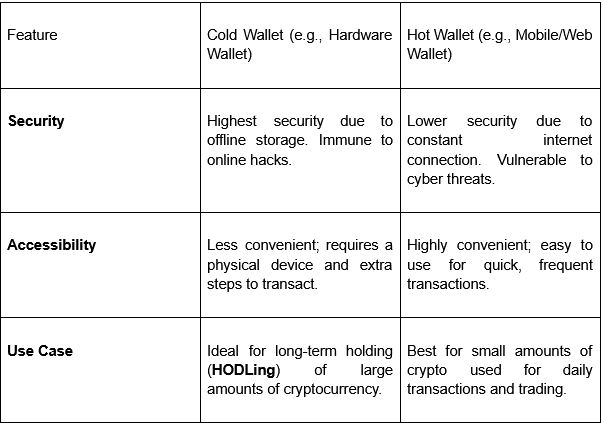
- Simplicity and Accessibility: You can buy and sell shares of these funds through a traditional brokerage account, just like a stock. This eliminates the need to use crypto exchanges, manage private keys, or worry about the security of a personal wallet. This is a game-changer for investing in crypto without buying crypto directly.
- Liquidity: Publicly traded funds and ETFs are highly liquid, meaning you can easily buy or sell shares at any time during market hours.
- Cost-Effectiveness: Due to their passive management style, crypto index funds generally have lower expense ratios than actively managed funds or private investment vehicles.
A Look at the Best Crypto ETFs and Funds in 2025
The market for crypto index funds and ETFs has exploded, offering investors a range of options. While the top performers and new launches are constantly changing, here are some of the most prominent types and examples as of 2025:
- Broad Market ETFs: These funds, such as the Bitwise 10 Crypto Index Fund (BITW), aim to track the performance of the overall crypto market by holding a portfolio of the largest and most liquid cryptocurrencies, typically by market capitalization.
- Spot ETFs: The approval of spot Bitcoin ETFs (like BlackRock’s IBIT and Fidelity’s FBTC) and spot Ethereum ETFs has revolutionized the market. These funds hold the actual underlying cryptocurrency, directly tying their value to the asset’s real-time price.
- Thematic Funds: A new trend in 2025 is the emergence of thematic index funds that focus on specific crypto sectors, such as Decentralized Finance (DeFi) ETFs, metaverse ETFs, or funds tracking blockchain infrastructure projects. These allow investors to target high-growth niches.
Risks and Considerations for Crypto Index Investing
While they offer many advantages, cryptocurrency index funds are not without risks.
- Volatility: The underlying crypto market is extremely volatile. Even a diversified fund can experience significant price swings in a short period.
- Market Dependency: An index fund’s performance is tied to its underlying index. You cannot “outperform” the market by holding a fund; you will only match its returns (minus fees).
- Fees: While lower than actively managed funds, the expense ratios of crypto ETFs can be higher than those of traditional stock index funds. These fees can eat into your long-term returns.
- No Direct Ownership: You don’t own the actual crypto in the fund. This means you can’t stake it, use it for payments, or interact with decentralized applications (dApps).
Conclusion: Is a Crypto Index Fund Right for You?
For the average investor, cryptocurrency index funds offer a simple, secure, and diversified way to gain exposure to a historically complex asset class. The advancements of 2025, particularly the widespread availability of crypto ETFs, have lowered the barrier to entry significantly. While they do not eliminate the risks of the crypto market, they provide a structured approach that can reduce volatility and simplify the investment process. For those looking to add crypto to their portfolio without becoming an expert in blockchain technology, crypto index funds are arguably the smartest and safest entry point today.
FAQs
Q1: What’s the main difference between a crypto index fund and a crypto ETF?
A1: The terms are often used interchangeably in the context of publicly traded products. An ETF (Exchange-Traded Fund) is a type of fund that trades on a stock exchange like a stock. A crypto index fund is an ETF that specifically follows a crypto-based index. In essence, a crypto ETF is a type of crypto index fund.
Q2: Can I get exposure to altcoins with a crypto index fund?
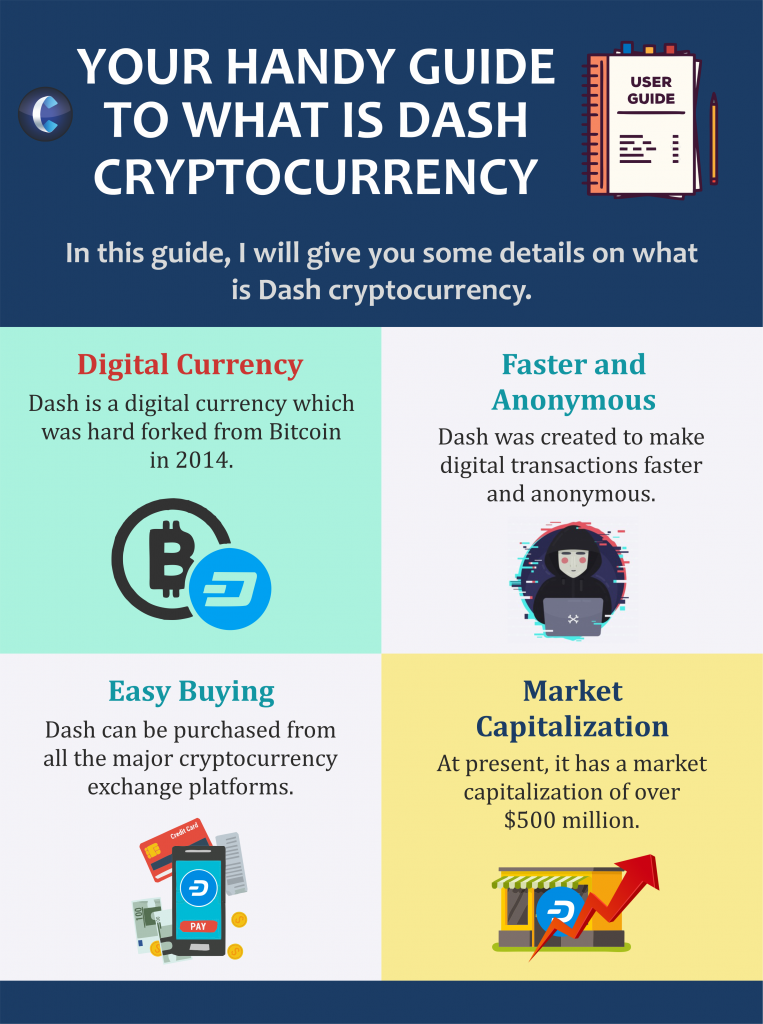
A2: Yes. Many crypto index funds and ETFs are not limited to Bitcoin and Ethereum. Funds like the Bitwise 10 Crypto Index Fund track a basket of the largest cryptocurrencies by market cap, which typically includes prominent altcoins like Solana, Cardano, and Polkadot, among others. There are also thematic funds that focus exclusively on specific altcoin sectors.
Q3: Are crypto index funds a safe investment?
A3: While crypto index funds are a safer way to gain exposure to the crypto market than buying a single volatile asset, they are not without risk. Their value is directly tied to the highly volatile cryptocurrency market, meaning you could still lose a significant portion of your investment during a downturn. They are subject to market, regulatory, and technical risks, so always do your own research and only invest what you can afford to lose.
Q4: Do crypto index funds pay dividends?
A4: Generally, no. Unlike some stocks, cryptocurrencies do not pay dividends in the traditional sense. Therefore, crypto index funds do not provide dividend payments. Your returns are based purely on the appreciation or depreciation of the underlying assets within the fund.