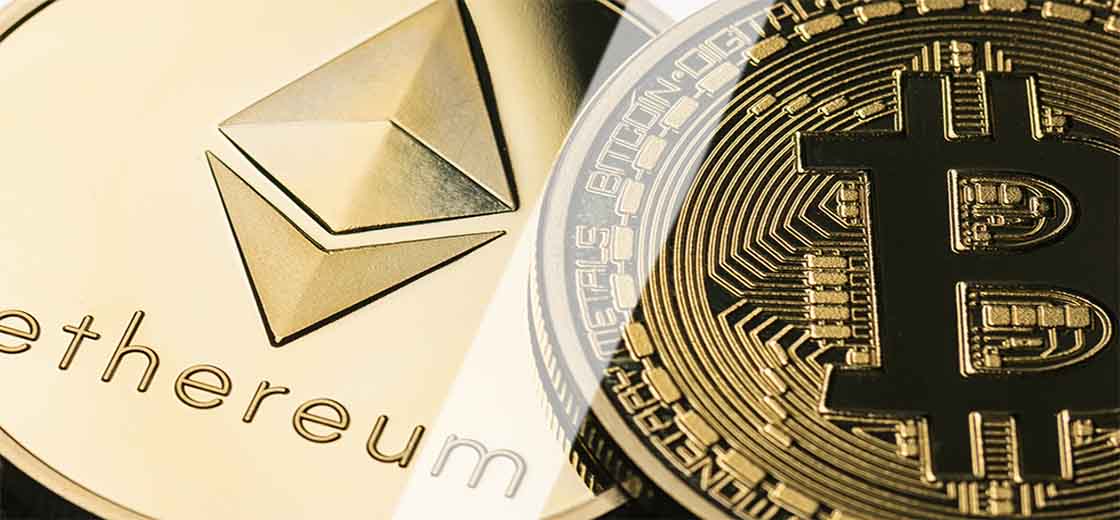
The year 2021 has been a thrilling one for the cryptocurrency and blockchain industry. Last year, cryptocurrencies such as Bitcoin and Ethereum reached an all-time high. This has set the way for 2022 to continue scaling the crypto space’s development.
Below are the predictions for 2022 addressing potential trends and forecasts that may materialize soon.
Addressing Limitations of a Seamless Infrastructure
Even if competition among infrastructure providers is expected to heat up dramatically in 2021, critical challenges must still be addressed. Ethereum (ETH), for instance, is still the most popular blockchain for DApp (decentralized applications) creation, although it suffers from network congestion and expensive transaction costs.
These issues are addressed by Layer-2 solutions, however, gaining long-term traction remains difficult. The same applied to ‘Ethereum competitors,’ since they are still in their beginner phase. Addressing such limitations this year and beyond is required.
Many individuals anticipate that the release of Ethereum 2.0 will assist to relieve some of these issues. Its sharding implementation will help solve issues such as network congestion, transaction fees, and low performance. These implementations may take time as they will occur in multiple stages.
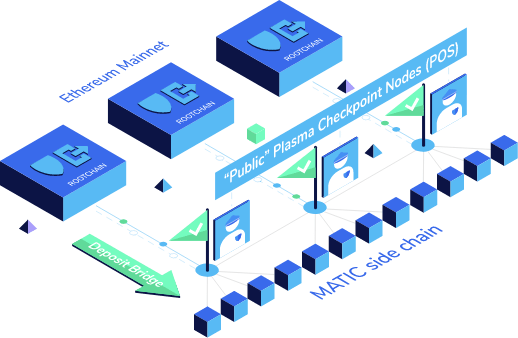
Other networks, such as Binance Smart Chain, Solana, and Avalanche, will continue to draw users and developers while Ethereum remains a bottleneck. It is important to note, however, that Layer-2 solutions will follow a similar route as Ethereum.
It is just a matter of time before these become the less appealing alternatives to avoiding Ethereum’s transaction fees. Unless developers come up with creative alternatives, this will have an impact on any cross-chain bridges that use Layer-2 networks.
With Ethereum London upgrade, TVL on Layer-1 versus Layer-2, node distribution for leading blockchains, gas utilization are some of the advances 2022 has already witnessed in the blockchain field. Ethereum TVL leads the pack of BSC, Avalanche, and Solana.
New solutions have been proposed to improve network usability while seeking to reduce gas prices as well. 2022 will observe upgrades in the Ethereum network and the popularization of competitors like Solana.
Introduction of NFT into the Metaverse
Last year, NFT and Metaverse markets had become the center of attraction, eventually collaborating with DeFi and the gaming industry to form an ecosystem. The objective of the ecosystem was to help empower users and provide them control over trade and digital asset release.
The present NFT market is observed to be divided into three categories – art, collectibles, and gaming. However, new efforts based on the NFT standards are introduced in the market. Furthermore, NFTs will now be able to assist Metaverse in numerous activities like avatars, virtual spaces, economic activities, and much more.
Playing the role of being the main hub of NFT activity, the metaverse will assist 2022 in becoming a remarkable year for the introduction of game-changing solutions in user identification across a decentralized space. Additionally, deployment of numerous supporting systems for complete integration with decentralized financing (DeFi).
To summarize, Metaverse might aid in an application scenario of NFT development, while NFTs drive the growth of Metaverse. In present times, Metaverse is known to be quite centric towards the gaming industry. However, metaverse has the potential to blur the line between activities of the real and virtual world.
Creating their own, walled-off Metaverse is a critical first step toward that aim. Connecting various virtual worlds will be a significant challenge, eventually resulting in a multi-Metaverse.
Another Metaverse development to keep an eye on is the involvement of DeFi and cross-chain bridges. Decentralized finance has shown to be efficient and reliable, providing a solid platform for economic Metaverse activity.
Furthermore, DeFi and NFTs work well together and apply to a wide range of Metaverse use cases. The Metaverse is synonymous with user empowerment. Allowing for a larger range of assets, goods, and services lays the door for greater financial inclusion.
Developer can make significant work on Metaverse’s cross-chain bridge. Present initiatives are centered on a single blockchain, resulting in an ‘ecological island’ dilemma. Developers can make significant work on the Metaverse’s cross-chain bridge. Present initiatives are centered on a single blockchain, resulting in an “ecological island” dilemma.
Furthermore, most public chains suffer from infrastructure, which reduces the charisma of Metaverse initiatives that leverage their technology. Cross-chain bridges can address these issues while also improving efficiency for the Metaverse, NFTs, and decentralized finance.
Regulators Focus on Legal Frameworks for Metaverse
The regulation of the crypto sector is still a major concern throughout the world. The absence of a defined framework has the potential to hinder innovation, which should be avoided at all costs. Regulating has grown much more complex as a result of creative concepts like as DeFi (decentralized financing), NFTs (non-fungible tokens), the Metaverse, and so on.
Regulators and policymakers must concentrate on developing legal frameworks for the Metaverse. The innovation has received widespread interest. Clear boundaries outlining what can and cannot be done in the virtual world will aid in legitimizing these endeavors.
Experts in the crypto industry predict that things will improve dramatically. Reports also suggest that guidelines will soon be enacted. This may influence decentralized identifiers – enable verifiable, decentralized digital identity.
Regulators will surely be interested in decentralized finance. However, safeguarding investors without jeopardizing innovation and decentralization is a significant challenge. Furthermore, present regulatory rules may not apply to the DeFi business.
As a result, depending on how the Securities and Exchange Commission, Bank for International Settlements, or Financial Action Task Force handles the industry, new regulatory infrastructure may be required. Furthermore, the governance of DeFi protocols provides a novel regulatory challenge. Large token holders get more voting power, producing a degree of centralization.
So far, achieving decentralized governance has proven practically challenging; nevertheless, Decentralized Autonomous Organizations (DAOs) may provide relief. At last, there is the issue of integrating decentralized finance with KYC standards and user privacy. It will be necessary to find some level of regulatory compliance. Permissioned DeFi solutions, such as Aave Arc, offer an innovative answer to this challenge.
Experts of the crypto field anticipate that both institutional and non-institutional DeFi users will be required to comply with rules sooner or later. On-chain KYC might be a solution, but developers may look at other alternatives this year.
Avoiding Blockchain Security Incidents
Numerous blockchain security issues occurred in 2021. Something needs to change in 2022 and beyond, from DeFi rug pulls to exchange hacks to smart contract vulnerabilities. Unfortunately, that is far easier said than done, especially given the irreversibility of blockchain transactions.
Furthermore, there is no actual “protection” for affected users, while insurance protocols may offer a remedy. In the wider blockchain space, code auditing must become the standard by 2022.
Numerous auditing businesses, including CertiK, SlowMist, and others, have developed a foothold. Before smart contracts are deployed in a live environment, an audit can assist in the identification of any concerns.
Auditing companies will help reduce additional hazards in the blockchain business as they become better financed. However, it is the responsibility of developers and coders to get their code evaluated, and not everyone will do so.
Insurance procedures may add an extra layer of security and safety. Today, several similar protocols exist in DeFi, with the majority of them focusing on mutual fund pools or financial derivatives.
Unfortunately, their expansion is hindered by expensive fees, KYC requirements, a lack of cross-chain assistance, and inefficient capital use. Nonetheless, according to the research, luring institutional participants would need improved and more effective insurance standards.
Another factor to consider is transactional privacy. Pseudonymity is provided by public blockchains, but not privacy or anonymity. Even private computing protocols, such as Manta, Oasis, and zkSync, trade decentralization in favor of computational capacity.
As the blockchain and cryptocurrency ecosystems expand, so will the demand for transactional privacy, necessitating more and better privacy computing projects.
To conclude, the introduction of required changes such as the above-mentioned are predicted to occur in 2022. Ongoing development to scale the growth of decentralized technology and make it mainstream is one avenue to not miss out on.
Taking the perspective of industry in hand, it is critical to solve hurdles the infrastructure faces. Ingenious ideas like DeFi, NFTs, and Metaverse cannot succeed under the existing infrastructure. Inefficiencies and expensive fees need to be eliminated as well.