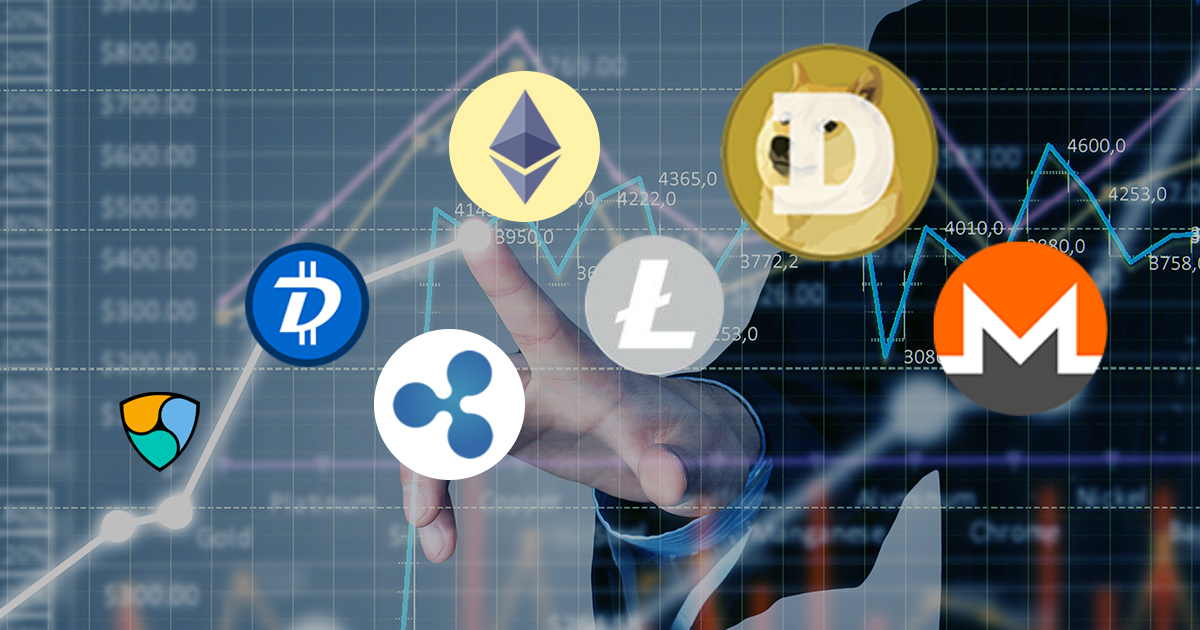
Litecoin News; LTC Crypto Holders Buy Based Eggman Presale, What is Litecoin and Based Eggman Presale?

lts based eggman

The crypto market in 2025 is buzzing with both legacy coins and new presale opportunities. Litecoin (LTC), one of the longest-running altcoins, is staging a technical recovery. At the same time, Based Eggman ($GGs) is gaining traction in presale markets, attracting even seasoned LTC investors. For those new to the space, understanding both Litecoin (LTC) and Based Eggman ($GGs) is key to spotting the next growth stories.

Based Eggman banner


What is Based Eggman ($GGs)?

In contrast to Litecoin’s legacy, Based Eggman ($GGs) is a fresh presale project that blends meme culture with real-world use. Currently priced at $0.006389 per token, with a capped supply of 389 million, Based Eggman ($GGs) is positioning itself as a cultural hub built on Base Layer-2. The token powers an ecosystem of streaming platforms, retro-inspired games, and DeFi solutions like ScrambleSwap. For investors, $GGs isn’t just another meme coin — it’s a functional asset tied to entertainment, trading, and community interaction.

What is Litecoin (LTC)?

Launched in 2011, Litecoin (LTC) is one of the oldest cryptocurrencies, designed as a faster, lighter version of Bitcoin. It offers quicker block times and lower transaction fees, making it a reliable network for peer-to-peer payments. In early September 2025, Litecoin (LTC) rebounded from $108 to hold above $111, showing resilience after a muted August. Analysts highlight technical patterns like a falling wedge and a broad triangle that could send LTC toward $130 or even above $400 if momentum builds. While some ultra-bullish forecasts point to multi-thousand-dollar targets, the more realistic range remains moderate, emphasizing steady growth over hype.

Based Eggman banner


Why LTC Holders Are Buying Into $GGs Presale

Many Litecoin (LTC) holders have been in the market for years and understand the difference between legacy coins and new presales. While LTC offers stability and liquidity, the percentage gains from presales like Based Eggman ($GGs) are far more attractive in the short term. By buying $GGs early, LTC investors are securing positions before exchange listings and broader adoption. This dual strategy combines Litecoin’s steady value with Based Eggman’s exponential growth potential.

Comparing Strengths: LTC and $GGs

Litecoin (LTC) thrives on proven fundamentals and ongoing institutional interest, such as KuCoin’s KuMining cloud mining service. Based Eggman ($GGs), on the other hand, thrives on cultural virality and integrated utilities that resonate with gamers and streamers. For investors, the combination offers balance: LTC for long-term reliability, Based Eggman ($GGs) for short-term explosive returns.

Based Eggman banner


Conclusion: Two Generations of Crypto, One Strategy

Litecoin (LTC) remains one of the most trusted legacy coins, with a strong technical outlook and established infrastructure. Based Eggman ($GGs) represents the next generation of meme-driven tokens, offering presale entry into a functional ecosystem. Together, they highlight the dual pathways investors can take in 2025: steady resilience from Litecoin (LTC) and fresh upside from Based Eggman ($GGs).

More details can be found on their official channels:

Website: https://basedeggman.com/

X (Twitter): https://x.com/Based_Eggman

Telegram: https://t.me/basedeggman

Top Bitcoin Payment Gateways for 2025

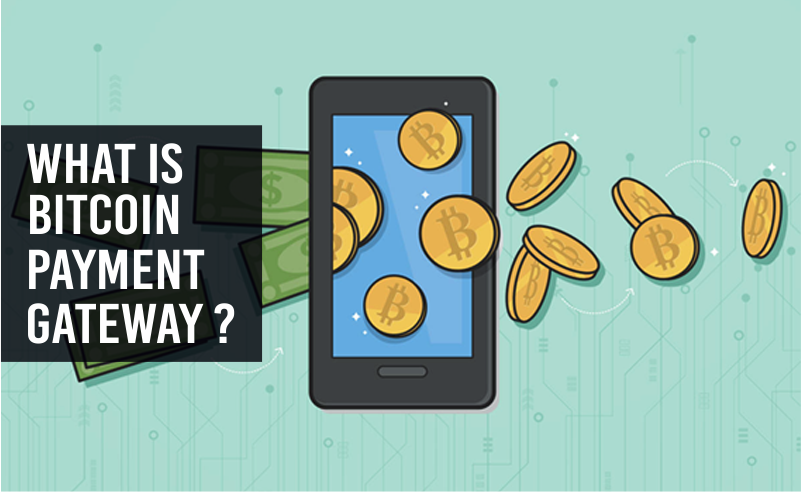
What is bitcoin payment gateway

The best Bitcoin payment gateways of 2025 offer a sophisticated suite of features for both small businesses and large enterprises. They’ve moved beyond simple transaction processing to provide a complete ecosystem for digital asset payments. Here are some of the top contenders.

BitPay:

Bitpay

A pioneer in the space, BitPay remains a leader due to its robust security, extensive API, and integration with major e-commerce platforms like Shopify and WooCommerce. It’s a go-to for established businesses that prioritize reliability and compliance.

Coinbase Commerce:

Backed by one of the most trusted names in crypto, Coinbase Commerce is popular for its user-friendly interface and ease of setup. It’s a great choice for small businesses that want to start accepting a variety of cryptocurrencies without extensive technical knowledge.

NOWPayments:

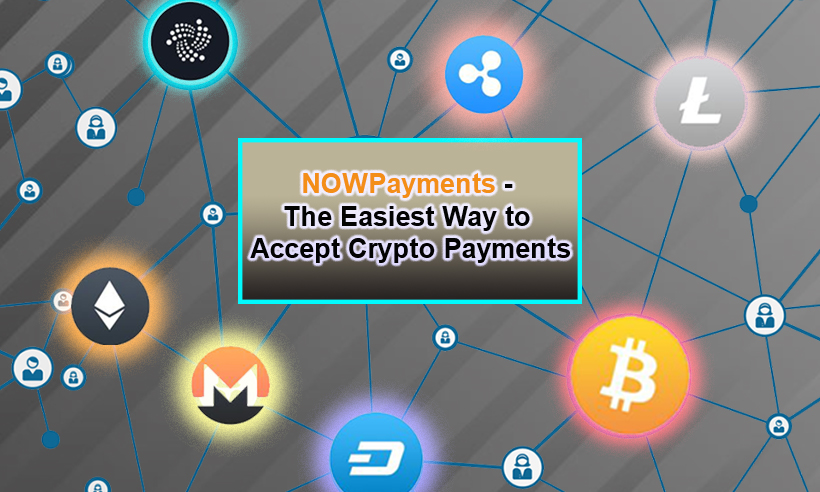
Easiest Way to Accept Crypto Payments

This non-custodial gateway is known for its wide support of over 300 cryptocurrencies and low fees, making it a flexible and affordable option for businesses of all sizes. Its a strong contender for a cheap Bitcoin payment gateway.

CoinGate:

With support for over 70 digital currencies and a variety of plugins, CoinGate is a versatile gateway suitable for both online and offline businesses. It’s particularly strong for European merchants, offering fiat payouts in multiple currencies.

OpenNode:

Bitcoin Payments Bank of Bahrain

Specializing in the Bitcoin Lightning Network, OpenNode is the top choice for instant Bitcoin payments. It’s ideal for businesses with high transaction volumes or those that need to accept microtransactions with near-zero fees.

Key Features to Look for in a Crypto Payment Gateway

Choosing the right cryptocurrency payment gateway for your business in 2025 depends on your specific needs. Look for these crucial features:

  • Ease of Integration: The best gateways offer pre-built plugins for popular e-commerce platforms like Shopify and WooCommerce, simplifying the setup process.
  • Auto-Conversion: To protect against market volatility, many gateways offer the option to automatically convert incoming crypto payments into a stablecoin or fiat currency like USD or EUR. This is a must for any crypto payment gateway for e-commerce.
  • Low Fees: Transaction fees can vary, so it’s essential to compare providers. Some charge a flat percentage per transaction, while others may have monthly fees or withdrawal limits.
  • Security and Compliance: Given the nature of crypto, security is paramount. Look for gateways with robust security protocols, fraud prevention tools, and a track record of reliability.
  • Customer Support: When an issue arises, you need reliable support. The best services offer 24/7 customer assistance.

The Benefits of Accepting Bitcoin Payments in 2025

The reasons to accept Bitcoin payment and other cryptocurrencies have become even more compelling since 2020.

  • Broader Customer Base: You can tap into a global community of crypto enthusiasts who prefer to pay with digital assets.
  • Lower Fees: Transaction fees are often significantly lower than those charged by traditional payment processors like credit card companies, directly increasing your profit margins.
  • Reduced Chargebacks: Unlike credit card payments, crypto transactions are irreversible, eliminating the risk of chargebacks and associated fraud.
  • Instant Global Reach: You can accept payments from anywhere in the world without worrying about cross-border fees or delays.

The best Bitcoin payment gateways are more than just a checkout button; they are a bridge to a new and growing economy.

FAQs

Q1: What is the difference between a custodial and non-custodial gateway?

A1: With a custodial gateway, the company holds your private keys and manages your funds for you, often converting them to fiat before sending them to your bank. With a non-custodial gateway, you maintain full control of your keys and funds, and payments are sent directly to your wallet. Non-custodial options are generally considered more secure but require more user responsibility.

Q2: Can a Bitcoin payment gateway process other cryptocurrencies?

A2: Yes. While they are often called “Bitcoin payment gateways,” most of the top providers in 2025 support a wide range of cryptocurrencies, including Ethereum, Litecoin, and various stablecoins. This allows you to cater to a broader range of crypto users.

Q3: How do I protect my business from crypto volatility?

A3: Most crypto payment gateways for e-commerce offer an auto-conversion feature. This allows you to receive payments in crypto and have the gateway instantly convert them to fiat currency or stablecoins. This way, you lock in the value of the sale at the time of the transaction, protecting you from any subsequent market downturns.

Q4: Do these gateways integrate with my existing point-of-sale (POS) system?

A4: Many of the leading gateways, such as BitPay and CoinGate, offer solutions for both online and offline businesses. They provide POS apps or terminals that can be used in a physical retail store, allowing you to seamlessly accept crypto payments from customers in person.

How to Buy Bitcoin with PayPal in 2025: A Complete Guide

how to buy bitcoin with paypal

Since 2020, PayPal has evolved from a simple payment processor to a major player in the cryptocurrency space. The question, “how to buy Bitcoin with PayPal,” has never been more relevant or straightforward. This updated 2025 guide provides a complete overview of the process, from using PayPal’s native crypto service to leveraging third-party exchanges. Whether you’re a beginner or a seasoned investor, we’ll cover the simplest, safest, and most efficient ways to acquire BTC using your PayPal account.

Method 1: Buying Bitcoin Directly on PayPal

In a major shift from a few years ago, PayPal now offers a direct cryptocurrency buying, selling, and holding service. This is by far the easiest way for new users to get started.

Step-by-Step Guide:

  1. Log in to Your PayPal Account: Ensure your account is verified and has a linked bank account or debit card.
  2. Navigate to the Crypto Section: On your PayPal dashboard, you’ll find a dedicated “Crypto” or “Finances” section.
  3. Choose Bitcoin: Select Bitcoin (BTC) from the list of supported cryptocurrencies.
  4. Enter Your Amount: Input the amount of Bitcoin you wish to buy. PayPal allows you to start with as little as $1. You can also set up recurring buys for dollar-cost averaging.
  5. Review and Buy: Confirm your payment method (PayPal balance, bank account, or debit card) and complete the transaction.

Pros & Cons of Using PayPal Directly:

  • Pros: It’s incredibly simple, fast, and uses a platform you already trust. It’s ideal for buying crypto with PayPal instantly without the hassle of opening a new exchange account.
  • Cons: You cannot send your Bitcoin to an external wallet, as PayPal holds your keys. This means you don’t have full control of your private keys and are limited in how you can use Bitcoin.

Method 2: Using a Third-Party Crypto Exchange with PayPal

For those who want more control and the ability to send their Bitcoin to an external wallet, using a third-party crypto exchange is the best option. Several major platforms now accept PayPal as a payment method through a partnership with payment gateways.

Step-by-Step Guide:

  1. Choose a Reputable Exchange: Select one of the best platforms to buy Bitcoin with PayPal that offers this payment option. Popular choices in 2025 include MoonPay and BitPay, which are integrated with various crypto exchanges and wallets.
  2. Create and Verify an Account: Sign up for an account on the chosen platform and complete the required identity verification (KYC) process.
  3. Initiate a Purchase: Navigate to the “Buy Crypto” section and select Bitcoin.
  4. Select PayPal as Payment Method: When prompted for a payment method, choose PayPal. You will be redirected to PayPal’s website to log in and authorize the transaction.
  5. Provide a Wallet Address: This is a key difference from PayPal’s native service. You will need to provide a Bitcoin wallet address where you want to receive your coins.
  6. Confirm and Receive: Once the transaction is confirmed, the Bitcoin will be sent directly to your specified wallet.

Best Platforms to Use in 2025:

  • MoonPay: Widely integrated across many wallets and exchanges, MoonPay makes buying Bitcoin with PayPal through crypto exchange seamless.
  • BitPay: A veteran in the crypto payments space, BitPay’s app and services allow for straightforward Bitcoin purchases with PayPal.
  • eToro: A trading platform that has long supported PayPal as a funding method for trading cryptocurrencies.

Crypto vs. PayPal: Key Differences

While PayPal now offers crypto services, it’s crucial to understand the fundamental difference. When you buy Bitcoin on PayPal, you are essentially buying a beneficial interest in the crypto, with PayPal acting as the custodian. This is similar to a brokerage holding a stock for you.

When you buy crypto with PayPal on a third-party exchange and send it to your private wallet, you own the asset outright. This is known as non-custodial ownership, and it gives you true control over your funds.

For beginners, PayPal’s native service is an easy entry point. For those who want to be true crypto owners, the third-party exchange method is the way to go.

FAQs

Q1: What are the fees for buying Bitcoin on PayPal?

A1: PayPal charges a fee for buying and selling cryptocurrency, which includes a spread or margin on the exchange rate. These fees are tiered, with higher transaction amounts having a lower fee percentage. Always check the final transaction details before confirming your purchase to see the exact fee.

Q2: Is my crypto safe on PayPal?

A2: Your crypto on PayPal is subject to PayPal’s security measures. While PayPal is a highly secure platform, it is a custodial service, meaning they hold your private keys. The crypto you buy there is not in your direct control. For maximum security, it is always recommended to use a hardware wallet and a non-custodial service.

Q3: Can I send my Bitcoin from PayPal to an external wallet?

A3: Yes, in 2025, PayPal supports the transfer of crypto between PayPal accounts and to and from other supported wallets and exchanges. This feature was rolled out to eligible users after 2020. However, always check the current terms and conditions, as there may be geographical or other restrictions.

Q4: Can I use a credit card to buy Bitcoin with PayPal?

A4: No, PayPal’s own cryptocurrency service does not allow the use of a credit card to buy crypto. You can only use your PayPal balance, a linked debit card, or a bank account. Some third-party exchanges may allow a credit card to be linked to your PayPal account, but this can incur higher fees and may be treated as a cash advance by your card issuer.

Crypto Margin Trading in 2025: A Guide to Platforms, Strategies, and Safety

list of the best crypto margin

Crypto margin trading has evolved from a high-risk, fringe activity to a mainstream financial tool for a growing number of traders. In 2025, with institutional adoption and clearer regulatory frameworks emerging, understanding this powerful but complex trading method is more critical than ever. This comprehensive guide will explain what crypto margin trading is, explore effective strategies, and highlight the best crypto margin trading exchanges available today.

What is Crypto Margin Trading?


what is margin trading


Margin trading is the practice of using borrowed funds from a third party (an exchange or another trader) to trade a financial asset. In the crypto world, this allows you to open positions much larger than your initial capital. The amount you put up is called the margin, and the borrowed funds are the leverage.

For example, with 10x leverage, a trader can open a $10,000 position with just $1,000 of their own money. This amplifies both potential profits and losses. While it offers a powerful way to magnify gains in a volatile market, it also introduces the risk of liquidation, where the exchange automatically closes your position if the market moves against you to prevent you from losing more than your initial margin.

Best Crypto Margin Trading Exchanges (2025)

Choosing the right platform is critical for success in margin trading. The best crypto margin trading exchanges in 2025 are those that offer a combination of high liquidity, robust security, a wide range of trading pairs, and powerful tools.

Binance

Binance, Best crypto margin trading platform

Binance remains the undisputed leader in volume and liquidity. It offers a huge selection of trading pairs and high leverage, making it a go-to for experienced traders. Its sheer size provides a reliable trading environment.

ByBit

Bybit

A strong competitor known for its user-friendly interface and a focus on derivatives. Bybit has gained a reputation for its reliability and excellent customer support, making it a top choice for both new and advanced traders.

Kraken


kraken

A long-standing and highly trusted exchange, Kraken is an excellent choice for those prioritizing security and regulatory compliance. While it may not offer the highest leverage, its stability and reputation make it a safe haven for traders.

OKX

OKX Tradingview

A popular platform offering a vast range of products, including derivatives, options, and a wide selection of cryptocurrencies. OKX is known for its advanced trading tools and competitive fees.

Bitget

A rising star in the derivatives space, Bitget has gained popularity with its copy trading feature, which allows users to automatically follow the trading strategies of top performers.

A Look at Crypto Margin Trading Strategy

A successful crypto margin trading strategy isn’t just about using high leverage; it’s about disciplined risk management and a clear plan. .

  1. Risk Management: This is the most important element. Always use stop-loss orders to automatically close a position if the price moves against you. Never risk more than a small percentage of your total trading capital on a single trade.
  2. Isolated vs. Cross Margin: Most platforms offer two types of margin. Isolated margin dedicates a specific amount of capital to a single position, limiting your potential loss to that amount. Cross margin uses your entire account balance as collateral, which can help prevent liquidation but also puts your entire portfolio at risk.
  3. Technical Analysis: Use technical indicators like the Relative Strength Index (RSI), Moving Average Convergence Divergence (MACD), and Moving Averages (MA) to inform your decisions. A good strategy often involves combining these tools to confirm a trend or signal a reversal.
  4. Start Small: For those just starting out, it’s essential to begin with small position sizes and low leverage. This allows you to get a feel for the market and the platform without risking significant capital.

Is Crypto Margin Trading Safe?

The question of whether crypto margin trading is safe is a matter of perspective and risk tolerance. While it has the potential for amplified gains, it also carries the risk of magnified losses and liquidation. Unlike spot trading where you only lose your initial investment, a margin trade can lead to the loss of your entire collateral in a matter of minutes. In 2025, regulatory bodies are increasingly scrutinizing leveraged products, and some jurisdictions have placed restrictions on the amount of leverage offered. It’s crucial to use only reputable crypto margin trading exchanges and to be fully aware of the risks involved.

Conclusion

Crypto margin trading is a powerful and accessible tool for navigating the volatile crypto markets of 2025. By understanding the core mechanics, implementing a solid crypto margin trading strategy, and using a reliable and secure platform, traders can potentially amplify their returns. However, it’s not a path to guaranteed riches. It requires discipline, continuous learning, and a deep respect for the inherent risks. For those ready to take on the challenge, the rewards can be significant.

FAQs

Q1: What’s the main difference between spot trading and margin trading?

A1: In spot trading, you buy and sell cryptocurrencies with your own funds, and your potential loss is limited to your initial investment. In margin trading, you borrow funds to amplify your position, which can lead to higher profits but also the risk of losing more than your initial investment if you get liquidated.

Q2: How do I choose the right leverage ratio?

A2: The right leverage ratio depends on your risk tolerance and experience. For beginners, it’s highly recommended to start with low leverage (e.g., 2x or 3x) to get a feel for the market’s volatility and the liquidation process. Experienced traders may use higher leverage, but they do so with strict risk management rules and stop-loss orders.

Q3: Can I lose more than my initial margin?

A3: Most reputable crypto margin trading exchanges have a built-in safety mechanism to prevent this. Your position is automatically liquidated before your balance falls into a negative value, meaning you typically can’t lose more than the collateral you’ve put up for that specific trade. However, in extremely volatile and fast-moving markets, slippage can occur, and you could potentially lose more than anticipated.

Q4: Is margin trading legal in my country?

A4: The legality of crypto margin trading varies significantly by jurisdiction. Many countries have implemented strict regulations on leveraged products due to their high-risk nature. For example, some regions have banned it entirely, while others have capped the maximum leverage available to retail traders. Always research your local regulations and ensure you are trading on a compliant exchange in your region.

Guarda Wallet Review 2025: A Comprehensive Look at Security, Features, and Usability

guarda wallet

The cryptocurrency wallet landscape has matured significantly since 2020, with users now demanding a perfect balance of security, usability, and advanced features. Among the top contenders, Guarda Wallet has consistently evolved to meet these needs, positioning itself as a leading multi-currency crypto wallet for a diverse user base. This updated Guarda Wallet review for 2025 provides a deep dive into its core functionalities, security protocols, and overall performance, helping you determine if it’s the right choice for your digital assets.

What is a Guarda Wallet? Your Non-Custodial Solution

Guarda is a non-custodial crypto wallet that gives you full control over your private keys. Unlike a centralized exchange, which holds your keys for you, Guarda ensures that your funds are truly yours with the mantra: “Not your keys, not your coins.” This crucial feature is at the heart of Guarda’s security model, as it significantly reduces the risk of hacks or losses from a centralized point of failure. The wallet is available across multiple platforms, including desktop, mobile, and web, offering seamless synchronization for on-the-go management.

Key Features and Functionality in 2025


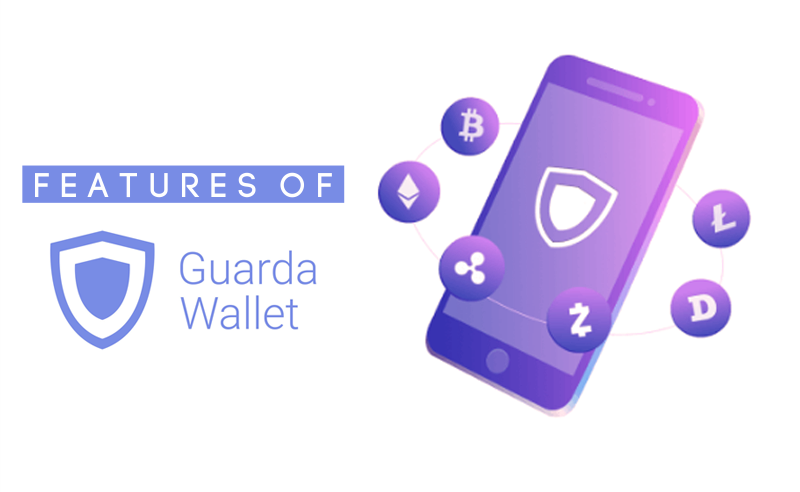
Features of guarda wallet


  • Guarda Wallet has expanded its offerings to become more than just a storage solution. It’s now a comprehensive suite for all your crypto needs.
    • Multi-Currency and Token Support: In 2025, Guarda supports an impressive array of over 400,000 digital assets across more than 50 blockchains. This makes it a great universal crypto wallet for managing a diversified portfolio without the need for multiple applications.
    • Built-in Exchange and Purchases: One of the standout features is the integrated exchange service, allowing you to buy, sell, and swap crypto directly within the wallet. This provides a convenient way to manage your portfolio without the hassle of transferring funds to a separate exchange.
    • Staking and Passive Income: For users interested in earning passive income, Guarda offers direct staking for several PoS cryptocurrencies. This feature allows you to participate in network security and earn rewards with just a few clicks, making it a compelling option for those looking to grow their holdings.
    • Hardware Wallet Integration: For an extra layer of security, Guarda provides seamless integration with Ledger hardware wallets. This allows you to use the user-friendly Guarda interface for managing transactions while keeping your private keys safely in offline cold storage.

    Security and Privacy: Is Guarda Wallet Safe?


Is guarda wallet safe


The question, “Is Guarda Wallet safe?” is a primary concern for any user. Guarda’s security model is built on several key pillars:

  1. Non-Custodial: As mentioned, you hold your private keys, which are encrypted and stored locally on your device. Guarda’s servers never have access to them.
  2. No KYC Required: The wallet’s core functionalities do not require a KYC (Know Your Customer) process, preserving your privacy.
  3. Encrypted Backups: Guarda provides encrypted backup options, ensuring that you can restore your wallet if your device is lost or damaged.
  4. Hardware Wallet Support: The ability to connect a Ledger device provides enterprise-level security for your most valuable assets.

While no wallet is completely immune to risks, particularly those related to user error (e.g., losing your seed phrase), Guarda’s focus on non-custodial principles and strong encryption makes it a highly secure choice.

Fees, Customer Support, and Usability

Guarda Wallet is free to download and use, but you will encounter fees for services like its built-in exchange, which are competitive with other similar platforms. It’s crucial to check these fees before making a transaction. Customer support is available 24/7, and while some users have reported slow response times, the service is generally considered reliable. The user-friendly crypto wallet design, with its intuitive interface and multi-platform availability, makes it easy for both newcomers and experienced crypto enthusiasts to manage their assets efficiently.

Conclusion: Is Guarda Still Worth It in 2025?

In 2025, Guarda Wallet remains a powerful and versatile tool for managing a diverse crypto portfolio. Its commitment to non-custodial security, combined with a comprehensive suite of features like built-in exchange, staking, and hardware wallet integration, solidifies its position as a top-tier option. For those seeking a secure, convenient, and user-friendly crypto wallet that puts you in full control of your keys, Guarda is an excellent choice that has proven its longevity and adaptability in the fast-paced world of cryptocurrency.

FAQs

Q1: What does “non-custodial” mean for my crypto wallet?

A1: A non-custodial crypto wallet means you are the sole owner and have full control of your private keys. Unlike a custodial wallet (like a centralized exchange), the wallet provider never has access to your funds. This places the responsibility of security entirely on you, which is why it’s essential to back up your seed phrase securely.

Q2: Can I buy crypto with a credit card on Guarda? 

A2: Yes, you can. Guarda integrates with third-party services like Simplex and Guardarian to allow users to purchase cryptocurrency directly with a credit/debit card, bank transfer, or other fiat payment methods. This makes it easy for newcomers to get started without needing to go to a separate exchange first.

Q3: How does Guarda Wallet’s staking feature work? 

A3: Guarda’s staking feature allows you to earn passive income by delegating your PoS (Proof of Stake) assets to a validator on the network. Guarda takes care of the technical process, and you receive a portion of the rewards earned by the validator. This is a secure way to participate in network validation without the complexities of running your own node.

Q4: Is Guarda better than a hardware wallet? 

A4: Guarda is a software wallet, while hardware wallets like Ledger are physical devices. Hardware wallets are considered the gold standard for long-term cold storage because they keep your private keys completely offline. Guarda offers an excellent balance of convenience for day-to-day transactions and high security, and it can be used in tandem with a Ledger wallet for maximum protection. The best approach for many is to use a hardware wallet for long-term holdings and a software wallet like Guarda for active trading and smaller amounts.


The Best Proof of Work Coins in 2025: A Guide to the PoW Landscape

PROOF OF WORK COINS

The year 2025 marks a new era for Proof of Work (PoW) cryptocurrencies. While many major networks have shifted to more energy-efficient models, the foundational algorithm remains a cornerstone of the crypto world, particularly for decentralization and security. The departure of Ethereum from PoW has fundamentally reshaped the market, creating new opportunities and challenges. This updated guide will explore the best proof of work coins in 2025 and provide key insights for both investors and miners.

What is Proof of Work (PoW) and Why Does It Matter in 2025?


What is proof of work

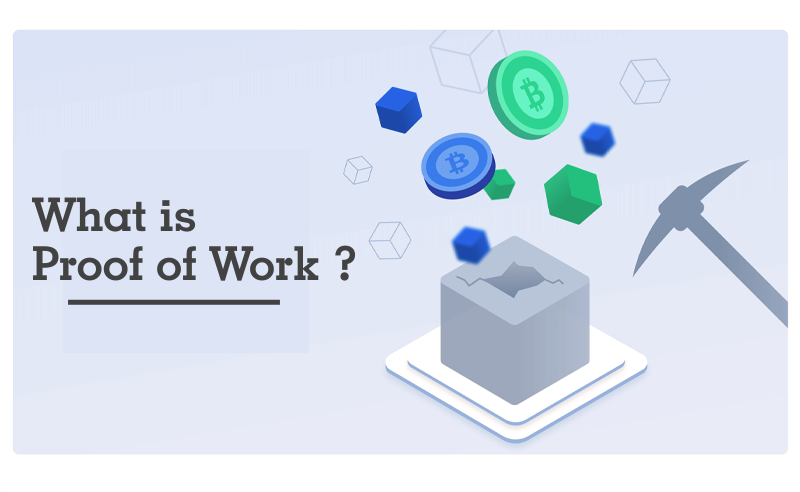
Proof of Work is the original consensus algorithm that secures a blockchain. It requires a vast network of miners to compete to solve complex cryptographic puzzles to validate transactions and add new blocks to the blockchain. This process, while energy-intensive, provides an unparalleled level of security. In 2025, PoW’s relevance continues due to its core principles:

  • Decentralization: PoW prevents any single entity from gaining control of the network. The competitive nature of mining ensures a distributed and diverse set of participants.
  • Security: A 51% attack on a PoW network is prohibitively expensive due to the massive computational power required, making it incredibly secure.
  • Fairness: Miners are rewarded based on the work they put in, creating a permissionless system where anyone can participate.

While Proof of Stake (PoS) has gained traction for its efficiency, Proof of Work remains the most battle-tested and secure consensus mechanism.

Top Proof of Work Coins for 2025


The PoW ecosystem in 2025 is a mix of established giants and promising new projects. Here are some of the most notable proof of work cryptocurrencies.

1. Bitcoin (BTC)

bitcoin

Bitcoin remains the undisputed king of PoW. Despite the shift in the market, its status as “digital gold” is more solidified than ever. For miners, Bitcoin is the most competitive and capital-intensive option, requiring specialized ASIC hardware. However, its long-term stability and store-of-value proposition make it the primary choice for investors. Bitcoin’s mining ecosystem is the largest in the world, with immense network security.

2. Litecoin (LTC)

Litecoin

Often referred to as the “silver” to Bitcoin’s “gold,” Litecoin remains a relevant PoW coin in 2025. It uses the Scrypt algorithm, which is less resource-intensive than Bitcoin’s SHA-256, making it slightly more accessible for miners. Litecoin’s faster block times and lower fees make it a strong option for peer-to-peer payments. It continues to be a go-to for many miners seeking a reliable and well-established alternative to Bitcoin.

3. Dogecoin (DOGE)

dogecoin bull run
Photo by Rūdolfs Klintsons: https://www.pexels.com/photo/close-up-shot-of-a-coin-7767506/

Originally a meme coin, Dogecoin has evolved into a serious contender due to its immense community and frequent use. In 2025, Dogecoin is a compelling choice for miners as it uses the same Scrypt algorithm as Litecoin and can be merged-mined. This means miners can mine both LTC and DOGE simultaneously without any extra effort. Its high liquidity and widespread recognition make it a popular asset for both miners and speculators.

4. Monero (XMR)

Monero

For those who prioritize privacy, Monero is the clear leader in the PoW space. It uses a unique algorithm called RandomX, which is specifically designed to be ASIC-resistant. This makes it an ideal proof of work coin for miners who use CPUs and GPUs, helping to prevent the centralization of mining power. In a world of increasing financial surveillance, Monero’s focus on privacy and fungibility makes it a highly valuable asset.

5. Ethereum Classic (ETC)

Ethereum Classic

Following Ethereum’s switch to Proof of Stake, Ethereum Classic (ETC) remains a significant PoW blockchain. It is the original, unchanged version of Ethereum, and its network saw a massive influx of miners and computational power after the ETH merge. ETC offers a strong community and a commitment to the foundational principles of PoW.

Considerations for Miners and Investors in 2025

The decision to invest in or mine a PoW coin in 2025 requires careful consideration:

  • Mining Profitability: Mining is no longer a hobby. It’s a professional industry dominated by large-scale operations. Factors like electricity costs, hardware prices, and the coin’s price all impact profitability. However, some ASIC-resistant coins still allow for home mining.
  • Environmental Concerns: The energy consumption of PoW networks remains a point of criticism. In 2025, many projects are shifting towards more renewable energy sources to address this.
  • Security vs. Scalability: PoW blockchains are known for their security, but they often struggle with scalability. They typically have slower transaction speeds compared to PoS networks, which can affect their use in DeFi or everyday transactions.

Conclusion: Is Proof of Work Still Relevant?

In 2025, the answer is a resounding “yes.” While the crypto landscape has diversified, Proof of Work remains a vital and trusted consensus mechanism. The coins listed above, from Bitcoin to Monero, each offer a unique value proposition for miners and investors. Whether you are looking for a secure store of value, a private medium of exchange, or simply the most profitable cryptocurrency to mine, the PoW ecosystem continues to provide robust and compelling options.

FAQs

Q1: What is the main difference between Proof of Work and Proof of Stake?

A1: The main difference lies in how a blockchain is secured and validated. Proof of Work (PoW) relies on computational power and physical hardware (miners) to solve complex mathematical problems and secure the network. This process is energy-intensive. Proof of Stake (PoS), on the other hand, relies on participants who “stake” or lock up their cryptocurrency as collateral to validate transactions, a process that is significantly more energy-efficient and doesn’t require specialized hardware.

Q2: Is Bitcoin mining still profitable in 2025 for individual miners?

A2: For most individual miners, solo Bitcoin mining is not profitable in 2025. The immense competition and high cost of electricity and specialized ASIC hardware make it difficult to compete with large-scale industrial mining farms. To have any chance of profitability, individual miners must join a mining pool to combine their computational power and share rewards. Even then, profitability depends heavily on the price of Bitcoin and the miner’s electricity costs.

Q3: Why are some Proof of Work coins called “ASIC-resistant”?

A3: Some Proof of Work coins are designed to be “ASIC-resistant” to prevent the centralization of mining power. ASICs (Application-Specific Integrated Circuits) are highly efficient, purpose-built mining machines that make it nearly impossible for anyone without an ASIC to compete. By using algorithms that are difficult to run on ASICs, these coins promote mining with standard CPUs and GPUs, allowing for a more distributed and decentralized mining community. Monero (XMR) is a prime example of an ASIC-resistant coin.

Q4: Which Proof of Work coins are best for beginners to mine in 2025?

A4: For beginners, the best proof of work coins for miners are those that can be mined with more accessible hardware like GPUs. Coins with ASIC-resistant algorithms are generally better for new miners as they can start with existing gaming computers. Researching smaller, newer PoW projects might also offer a better chance of profitability, as competition will be lower than with established giants like Bitcoin. Joining a mining pool is always recommended for beginners to ensure consistent payouts.


Delegated Proof of Stake vs Proof of Stake: A 2025 Deep Dive

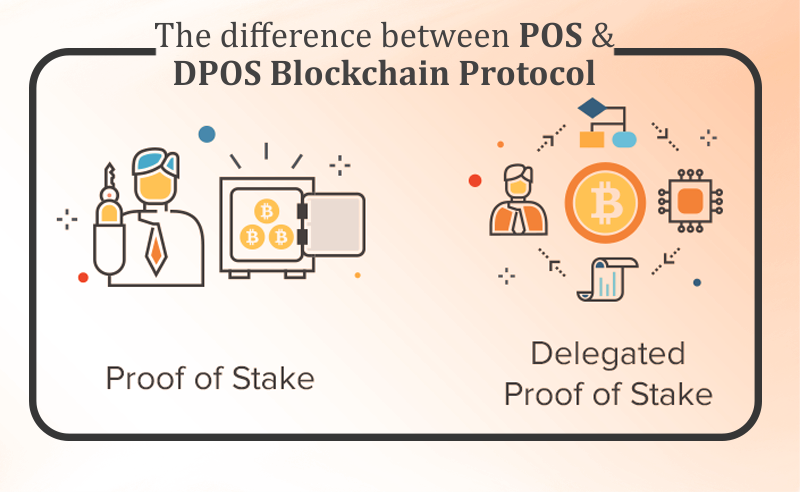
The difference between POS and DPOS blockchain protocol

In the constantly evolving blockchain world of 2025, two consensus mechanisms dominate the landscape: Proof of Stake (PoS) and Delegated Proof of Stake (DPoS). Both offer a more energy-efficient alternative to the original Proof of Work (PoW) algorithm. While they share a similar goal of securing a blockchain without massive computational power, their internal mechanics and trade-offs are fundamentally different. This updated guide will explain these differences, help you understand PoS vs DPoS, and provide the key insights you need to navigate these consensus algorithms in the current crypto market.

What is Proof of Stake (PoS) in 2025?

Proof of Stake is a consensus algorithm that selects validators to create new blocks based on how many tokens they have “staked,” or locked up, as collateral. The more tokens a validator stakes, the higher their chance of being chosen to validate a new block and earn a reward.

  • How it Works: Anyone with a minimum number of tokens can become a validator. The network algorithm chooses validators based on their stake size and other factors, such as stake duration. If a validator acts maliciously, they risk losing their staked tokens, a process known as “slashing.”
  • Key Features: In 2025, PoS is known for its decentralization, as a large number of participants can technically become validators. This mechanism is also highly energy-efficient, a major reason for its widespread adoption by major blockchains like Ethereum.


The Rise of Delegated Proof of Stake (DPoS) in 2025


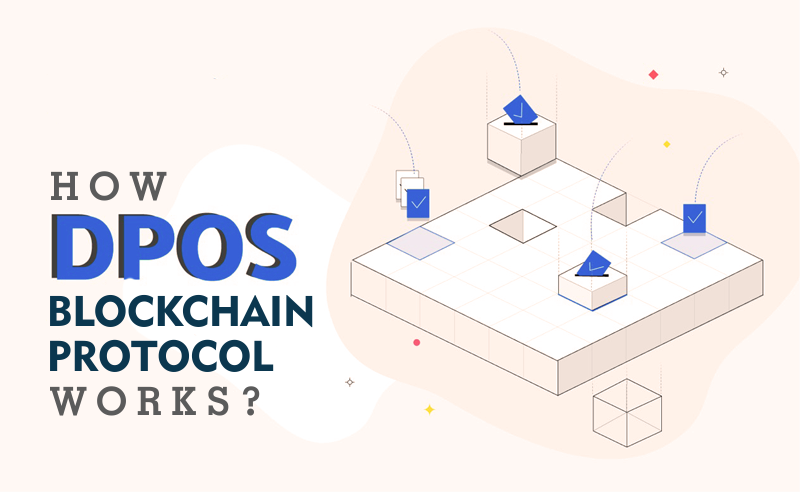
How DPOS blockchain protocol works


Delegated Proof of Stake is a variation of PoS that introduces a layer of democratic governance. Instead of having everyone participate in validation directly, token holders vote for a select group of delegates (also known as “witnesses” or “block producers”) to validate transactions on their behalf.

  • How it Works: Token holders pool their tokens to vote for a limited number of delegates. The voting power is proportional to the amount staked. These elected delegates then take turns creating and validating blocks. If they act maliciously or fail to perform their duties, they can be voted out by the community. They earn rewards for their work, which they often share with the voters who elected them.
  • Key Features: DPoS is celebrated for its incredible speed and scalability. By having a small, dedicated group of validators, it can process transactions much faster than a standard PoS network. This makes it ideal for applications requiring high transaction throughput.

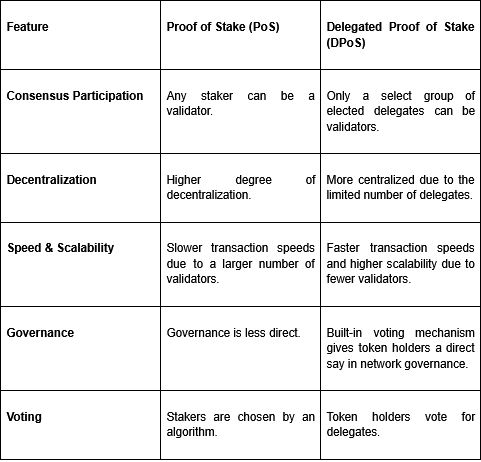
Delegated Proof of Stake vs Proof of Stake: A Direct Comparison

The core difference between these two consensus algorithms lies in their approach to decentralization, efficiency, and governance.

pos and dpos table

PoS vs DPoS: Which Is Better for You in 2025?


DPOS vs POS - pros and cons


The choice between PoS and DPoS depends on what you value in a blockchain.

  • If your priority is maximum decentralization and security, a PoS blockchain like Ethereum or Cardano is likely the better option. The large number of potential validators makes the network more robust against attacks.
  • If you need a blockchain that is fast, highly scalable, and has a clear governance model, a DPoS network like EOS, TRON, or Solana may be more suitable. These networks are built for high-performance applications and offer a more democratic, albeit more centralized, form of governance.

The evolution of both PoS and DPoS continues, and in 2025, we are also seeing hybrid models and new variations emerge. Understanding the fundamental trade-offs between them is key to making informed decisions about which blockchains to support or build on.

FAQs

Q1: What is the main security risk of DPoS compared to PoS? A1: The main security risk of DPoS is its relative centralization. Because a small, limited number of delegates are responsible for validating all transactions, the network is more susceptible to collusion or bribery. If a malicious actor can control a majority of the delegates, they could potentially manipulate the blockchain. In contrast, PoS’s larger pool of validators makes a coordinated attack much more difficult and expensive to execute.

Q2: How do regular token holders earn rewards in a DPoS network if they are not delegates? A2: In a DPoS network, regular token holders who are not elected as delegates can still earn rewards by voting. They can delegate their tokens to a specific delegate, effectively giving that delegate more voting power. When the delegate is chosen to validate a block and receives a reward, they typically share a portion of that reward with the voters who supported them. This incentivizes token holders to participate in the network’s governance and security.

Q3: Which consensus mechanism is more energy-efficient? A3: Both PoS and DPoS are significantly more energy-efficient than Proof of Work (PoW). However, DPoS is generally considered to be even more efficient than PoS. This is because DPoS only requires a small, fixed number of delegates to run the validation process, while PoS can involve a much larger number of validators, each consuming some amount of energy.

Q4: Can a DPoS network be more decentralized than a PoS network? A4: While PoS is generally considered more decentralized in principle because anyone can become a validator, in practice, DPoS can be seen as more “democratically” decentralized. The voting system allows every token holder, regardless of the size of their stake, to have a say in who secures the network. In PoS, the largest stakers have a disproportionate amount of power, which can lead to a form of centralization of control, even if many validators exist.


DApps Guide 2025: Your Gateway to Decentralized Applications & The Best Crypto Exchange Options

How to build Decentralized App

In 2025, the world of decentralized applications (DApps) has matured significantly. No longer just a niche concept, DApps are now at the heart of the Web3 ecosystem, transforming everything from finance to gaming. This DApps guide 2025 will provide a comprehensive look into what DApps are, their growing importance, and how you can access them. We will also explore the critical role of crypto exchanges—both centralized and decentralized—in this ecosystem, helping you identify the best crypto exchange for your needs.

What Are DApps? The Core Principles

What is dapp

A DApp, or decentralized application, is a digital application that runs on a blockchain or a peer-to-peer network. Unlike traditional apps that are controlled by a single entity on a centralized server (like Google or Facebook), DApps operate without a central authority. This decentralization is their core feature and offers several key benefits:

  • Censorship Resistance: Since no single entity can shut down the DApp, it’s resistant to censorship and government intervention.
  • Transparency: All transactions and code are recorded on a public blockchain, making them verifiable by anyone.
  • Trustlessness: DApps are governed by smart contracts—self-executing code—that automate processes and remove the need for intermediaries. This means you don’t need to trust a company; you only need to trust the code.
  • User Ownership: Users have full control over their data and assets, as they are stored on the blockchain and accessed via their crypto wallet, not a company’s database.

The Evolution of DApps in 2025

Benefits of Dapps

By 2025, DApps have moved beyond simple concepts and into real-world applications across various sectors. The most popular use cases include:

  • Decentralized Finance (DeFi): DeFi remains the largest and most influential DApp sector. Platforms like Uniswap and Aave allow users to lend, borrow, and trade cryptocurrencies without banks. They are a major reason why many seek out a DApps guide.
  • Gaming & Metaverse: The “Play-to-Earn” model has exploded. Games like Axie Infinity and Decentraland are DApps where players can truly own in-game assets as NFTs and earn crypto by playing.
  • Social Media: DApps are paving the way for a new era of decentralized social networking where users own their data and control their content.
  • Identity & Voting: Blockchain-based DApps are being developed to create secure digital identities and tamper-proof voting systems.

The Role of Crypto Exchanges: CEXs vs. DEXs

To interact with DApps, you often need cryptocurrency. This is where crypto exchanges come in. In 2025, the distinction between centralized and decentralized exchanges is more important than ever.

  • Centralized Exchanges (CEXs): These are platforms like Binance and Coinbase where you trade crypto through an intermediary. They are user-friendly, offer high liquidity, and are the best crypto exchange for beginners, especially for converting fiat money to crypto. However, they require you to give up control of your funds, and they require KYC (Know Your Customer) verification.
  • Decentralized Exchanges (DEXs): These are a type of DApp themselves. Platforms like Uniswap and PancakeSwap allow you to trade directly from your crypto wallet without an intermediary. This means you maintain full control of your funds, and no KYC is required, making them a top choice for privacy. They are central to the DApp ecosystem.

Choosing the best crypto exchange depends on your needs. For buying your first crypto with a bank account, a CEX is easiest. For trading within the DApp ecosystem and maintaining privacy, a DEX is the best choice.

How to Use a DApp: A Step-by-Step Guide

Using a DApp is straightforward once you have the right tools.

  1. Get a Crypto Wallet: You need a non-custodial wallet to access DApps. Wallets like MetaMask or Trust Wallet are popular choices that act as your passport to the decentralized world.
  2. Fund Your Wallet: Purchase the necessary cryptocurrency (e.g., ETH, SOL, or BNB) from a CEX like Coinbase or Binance and transfer it to your wallet. This is why understanding the best crypto exchange is the first step.
  3. Connect to the DApp: Navigate to the DApp’s website. You will see a “Connect Wallet” button, usually in the top right corner. Clicking this will link your wallet to the DApp.
  4. Interact: Once connected, you can use the DApp’s features, whether it’s swapping tokens on Uniswap, minting an NFT, or playing a game.


How to Develop DAPPS

Conclusion: Your Path to Web3

The DApp landscape in 2025 is rich with innovation and opportunity. From revolutionizing finance to creating new digital economies, DApps are at the forefront of the Web3 movement. Understanding the principles of decentralization, smart contracts, and the different types of exchanges is the key to navigating this new frontier. Whether you’re a developer or a user, this DApps guide 2025 is your starting point for exploring the decentralized applications that are shaping the future of the internet.

FAQs

Q1: How do DApps make money?

A1: DApps make money through a variety of models. Many decentralized exchanges (DEXs) charge a small trading fee on every transaction, which is distributed among the DApp’s developers and liquidity providers. Other DApps, especially in the gaming space, use tokenization and NFTs to create in-game economies where players can buy, sell, and trade assets.

Q2: Are DApps safer than traditional apps?

A2: DApps are generally considered safer in terms of data ownership and censorship resistance because they are not controlled by a central company. However, they are not without risk. Poorly coded smart contracts can have vulnerabilities that lead to hacks. The responsibility of security shifts from the company to the individual user, who must secure their private keys and be cautious of phishing scams.

Q3: How do I choose the best crypto exchange to start with?

A3: For beginners, the best crypto exchange is typically a regulated and user-friendly centralized exchange (CEX) like Coinbase or Binance. These platforms make it easy to buy crypto with fiat currency (like USD or INR), and they have robust customer support. Once you’re more comfortable with crypto, you can explore using decentralized exchanges (DEXs) like Uniswap for trading.

Q4: Can I build my own DApp without being a professional developer?

A4: While a strong technical background is very helpful, the DApp development landscape has become more accessible in 2025. Many platforms now offer low-code or no-code tools and comprehensive tutorials that allow enthusiasts to build simple DApps. However, for a complex or production-ready DApp, working with experienced developers is still highly recommended to ensure security and functionality.

Best Crypto Exchange in 2025: Navigating Centralized, Decentralized, and Privacy Options

The landscape of cryptocurrency exchanges has undergone significant transformations by 2025. While the quest for “best anonymous cryptocurrency exchanges” was a hot topic in 2021, stricter global regulations have made truly anonymous centralized platforms largely a thing of the past. Today, the focus for the “best crypto exchange” shifts towards a balance of security, features, user experience, and, where possible, methods to maintain privacy.

This comprehensive guide will help you understand the different types of exchanges available in 2025, from highly regulated centralized platforms to more private decentralized alternatives, and equip you to choose the best option for your needs.

The Evolving Landscape of Crypto Exchanges in 2025

The primary distinction in 2025 remains between Centralized Exchanges (CEXs) and Decentralized Exchanges (DEXs).

  • Centralized Exchanges (CEXs): These are the most common type, operating like traditional financial institutions. They are typically regulated, require Know Your Customer (KYC) verification, and hold your funds in custody. They offer high liquidity, user-friendly interfaces, and a wide range of trading features.


  • Decentralized Exchanges (DEXs): These platforms operate directly on a blockchain using smart contracts, allowing peer-to-peer trading without a central intermediary. Users retain full control of their funds in their own crypto wallets, eliminating the need for KYC in most cases.

The Reality of “Anonymous” Exchanges in 2025

The term “anonymous cryptocurrency exchanges” as understood in 2021 has largely been superseded by regulatory realities. Most reputable centralized exchanges globally now mandate KYC/AML procedures to combat financial crime. This involves submitting identity documents before you can trade significant amounts or withdraw funds.

For users prioritizing privacy in 2025, the alternatives are:

  • Decentralized Exchanges (DEXs): These are the closest to “anonymous” as they do not require personal identification. Your wallet address is your identity.


  • Peer-to-Peer (P2P) Trading Platforms: Some P2P platforms allow direct trading between individuals. While the platform itself might have KYC, the direct interaction can sometimes offer more privacy depending on the payment method used.


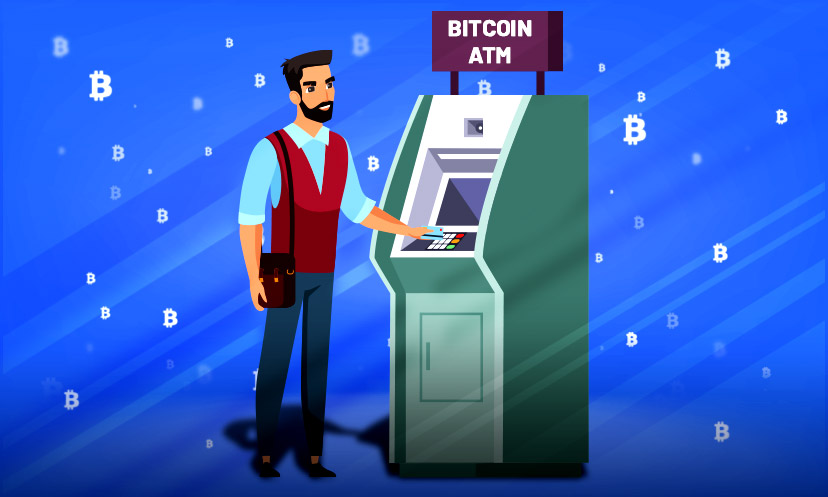
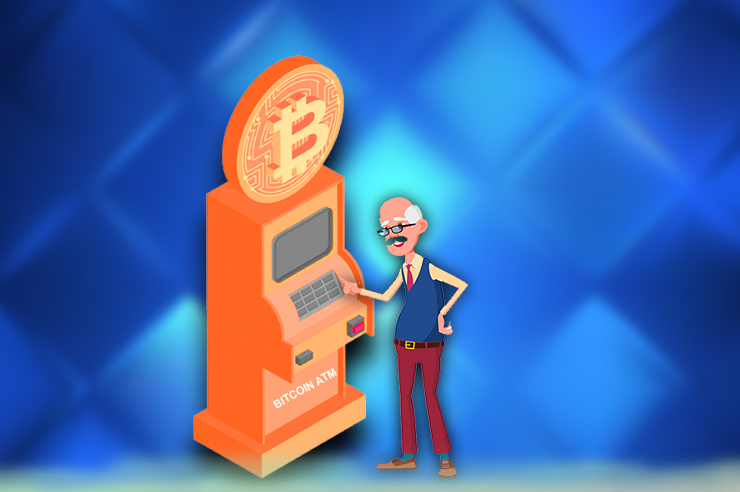
  • Bitcoin ATMs: While not exchanges in the traditional sense, some Bitcoin ATMs allow you to buy or sell crypto with cash, often with lower KYC requirements for small amounts. However, their availability and legal status vary by region, including in India.

It’s crucial to understand that even with “anonymous” methods, large transactions can still attract scrutiny, and complete untraceability is very difficult in the blockchain era.

Best Centralized Crypto Exchanges (CEXs) in 2025 (Requiring KYC)

These exchanges are ideal for most users due to their reliability, features, and security, even if they require identity verification:

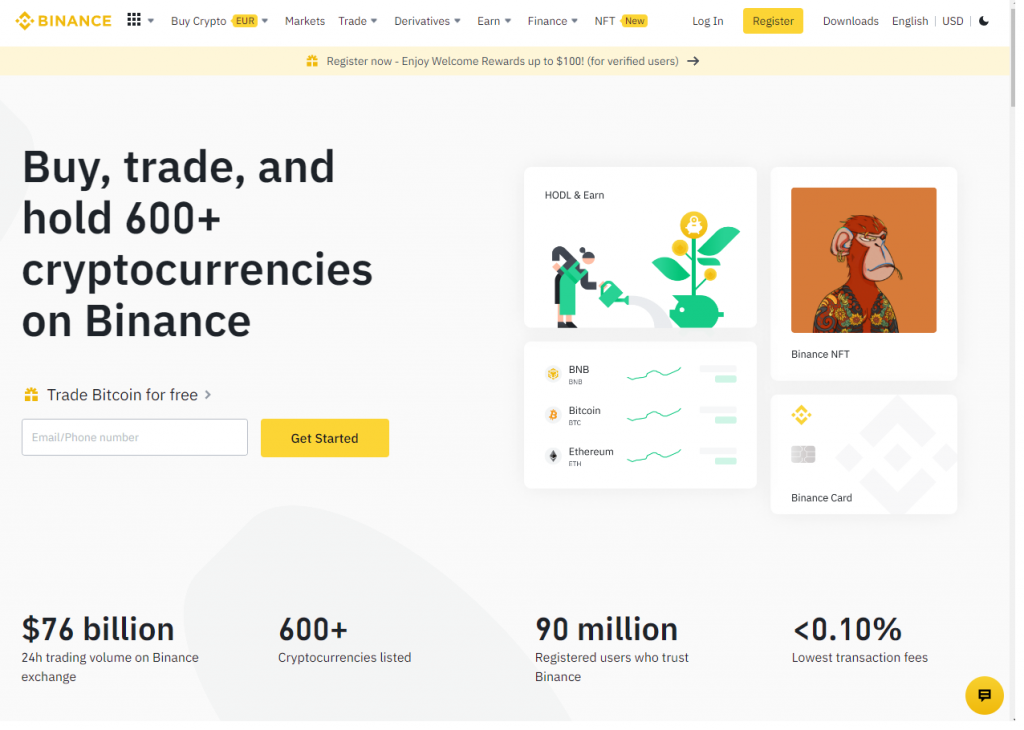
  • Binance: Remains one of the largest global exchanges by trading volume. Offers a vast selection of cryptocurrencies, advanced trading features, staking, and robust liquidity. It’s a comprehensive platform for all types of traders.


  • Kraken: Highly regarded for its strong security protocols and competitive fees. Kraken offers a wide range of fiat-to-crypto and crypto-to-crypto pairs, catering to both beginners and experienced traders. It’s known for its compliance.


  • Coinbase: A user-friendly and highly regulated exchange, particularly popular for beginners in many regions. It offers a straightforward interface for buying and selling major cryptocurrencies and focuses heavily on security and compliance.


  • CoinDCX (India-focused): For users in India, CoinDCX is a prominent and trusted platform. It offers a wide range of cryptocurrencies, swift INR deposit/withdrawal options, and is known for its robust security measures and regulatory compliance in India (registered with FIU).


  • CoinSwitch (India-focused): Another popular choice in India, CoinSwitch provides a very beginner-friendly interface and aggregates prices from various exchanges to offer competitive rates. It supports quick INR transactions and adheres to Indian regulatory requirements, including KYC.


  • Mudrex (India-focused): Emerging as a strong contender in India, Mudrex offers a wide selection of cryptocurrencies, competitive fees (especially for futures trading), and user-friendly features, including “Coin Sets” for diversified investing. It is also FIU-registered and emphasizes security.


  • ZebPay (India-focused): One of India’s oldest crypto exchanges, ZebPay continues to be a trusted name. It offers a good selection of cryptocurrencies, easy INR deposits, and strong security practices with a large portion of funds stored offline.

Best Decentralized Exchanges (DEXs) in 2025 (for Privacy & Control)

DEXs offer a non-custodial trading experience where you maintain control of your private keys. They are the go-to for more privacy-focused trading in 2025.

  • Uniswap (Ethereum-based): A leading DEX on the Ethereum blockchain, known for its Automated Market Maker (AMM) model. It allows seamless token swaps for ERC-20 tokens directly from your wallet. High liquidity for many pairs.


  • PancakeSwap (BNB Chain-based): The most popular DEX on the BNB Smart Chain (formerly Binance Smart Chain), offering lower transaction fees and faster speeds compared to Ethereum-based DEXs. Features include token swaps, yield farming, and staking.


  • Curve Finance (Stablecoin focus): Optimized for stablecoin trading with minimal slippage and low fees. Ideal for users primarily trading between different stablecoins.


  • 1inch Network (DEX Aggregator): An aggregator that finds the best trade routes across multiple DEXs, ensuring you get the most efficient prices and lowest fees for your swaps.


  • Raydium (Solana-based): A popular DEX and AMM built on the Solana blockchain, known for its high speed and very low transaction costs.

Factors to Consider When Choosing the Best Crypto Exchange in 2025

When selecting a crypto exchange, evaluate the following:

  • Security: Look for features like 2-Factor Authentication (2FA), cold storage for funds, insurance policies, and a strong track record of no hacks.
  • Regulatory Compliance: Especially for CEXs, compliance with local and international regulations is crucial for user protection and platform longevity.
  • Fees: Compare trading fees (maker/taker), deposit/withdrawal fees, and network fees.
  • Liquidity and Trading Volume: Higher liquidity means easier and faster execution of trades without significant price impact.
  • Supported Cryptocurrencies: Ensure the exchange lists the cryptocurrencies you’re interested in.
  • Payment Methods: Check for convenient deposit and withdrawal options in your local currency (e.g., UPI, IMPS for India).
  • User Interface and Experience: A user-friendly platform is essential, especially for beginners.
  • Customer Support: Responsive and helpful customer support can be invaluable.

Conclusion: Your Best Crypto Exchange in 2025

Choosing the “best crypto exchange” in 2025 involves weighing your priorities between convenience, features, security, and privacy. While truly “anonymous” centralized exchanges are largely a relic of the past, DEXs offer a viable path for private trading. For most users, a reputable, regulated centralized exchange like Binance, Kraken, or an India-specific platform like CoinDCX, CoinSwitch, Mudrex, or ZebPay, will offer the best blend of features and security. Always conduct thorough research and prioritize the safety of your digital assets.

Why Is Bitcoin The Best Cryptocurrency To Invest In?

Bitcoin the best cryptocurrency

In the dynamic world of digital assets, the question “Why is Bitcoin the best cryptocurrency?” continues to resonate in 2025. While thousands of altcoins have emerged, each promising innovation, Bitcoin (BTC) steadfastly maintains its position as the king of crypto. This updated guide explores the fundamental reasons why Bitcoin is widely considered not only a premier investment but arguably the best cryptocurrency overall, especially in the evolving market of “Bitcoin 2025.”

Bitcoin’s Unmatched Status as “Digital Gold”

One of Bitcoin’s most compelling attributes in 2025 is its solidified status as “digital gold.” Just like physical gold, Bitcoin is scarce, durable, portable, divisible, and resistant to censorship.

  • Scarcity: With a hard cap of 21 million coins, Bitcoin’s supply is inherently limited. This fixed supply, combined with regular Bitcoin halving events (the most recent one in 2024), ensures increasing scarcity over time. This deflationary nature contrasts sharply with fiat currencies, which can be printed endlessly, making Bitcoin a powerful hedge against inflation.
  • Decentralization: Bitcoin is truly decentralized, meaning no single entity, government, or corporation controls it. This makes it censorship-resistant and a truly global, permissionless asset. This core principle remains vital in 2025 as geopolitical and economic uncertainties persist.

Store of Value: For many, Bitcoin has become a preferred store of value in the digital age, much like gold has been for centuries. Its ability to retain and grow value over the long term, despite short-term volatility, attracts both individual and institutional investors.

The Power of Network Effect and First-Mover Advantage

Bitcoin’s decade-plus existence has given it an unparalleled network effect.

  • Largest Network: Bitcoin boasts the largest and most secure blockchain network, with the highest hash rate (computational power securing the network). This makes it incredibly difficult and expensive to attack, providing a robust level of security that other cryptocurrencies struggle to match.
  • Brand Recognition: As the first and most well-known cryptocurrency, Bitcoin has achieved global brand recognition. This widespread awareness drives adoption and liquidity.
  • Developer and Community Support: Bitcoin benefits from a massive, dedicated global community of developers, miners, and users constantly working to improve and secure the network.

Institutional Adoption and Regulatory Clarity in 2025

Bitcoin Stock

The year 2025 marks a significant turning point for Bitcoin due to accelerating institutional adoption and increasing regulatory clarity.

  • Spot Bitcoin ETFs: The approval of spot Bitcoin Exchange-Traded Funds (ETFs) in major markets (like the US in early 2024) has been a game-changer. These ETFs provide traditional investors with an accessible and regulated way to gain exposure to Bitcoin without directly holding the cryptocurrency. This has brought in trillions of dollars in capital from traditional financial markets, further legitimizing Bitcoin as an institutional-grade asset.
  • Corporate Treasury Holdings: Many publicly traded companies, notably MicroStrategy, continue to accumulate Bitcoin as a treasury reserve asset, recognizing its potential as a hedge against inflation and a long-term store of value. This trend reinforces Bitcoin’s position in traditional finance.
  • Growing Regulatory Frameworks: While regulation remains a work in progress, many governments and financial bodies are working towards clearer frameworks for digital assets. This increasing clarity, even if it brings stricter rules, often boosts investor confidence and further integrates Bitcoin into the global financial system.

Liquidity and Market Dominance

Bitcoin consistently holds the largest market capitalization among all cryptocurrencies.

  • Highest Liquidity: With the largest market cap comes the highest liquidity. This means Bitcoin can be bought and sold quickly and efficiently on virtually any exchange, minimizing price slippage even for large trades. This makes it an attractive asset for both retail and institutional traders.
  • Market Bellwether: Bitcoin’s price movements often set the tone for the broader cryptocurrency market. When Bitcoin rallies, altcoins typically follow, and when Bitcoin corrects, altcoins often see larger declines. This “Bitcoin dominance” highlights its central role.

The Future Outlook: Bitcoin in 2025 and Beyond

While the crypto market is ripe with innovation and other promising altcoins, Bitcoin’s foundational strengths continue to make it a compelling choice in 2025. Its unparalleled security, fixed supply, growing institutional acceptance, and established network effect position it as a resilient and potentially appreciating asset.

While volatility remains a characteristic of the crypto market, Bitcoin’s long-term trend has shown remarkable resilience and growth. As a cornerstone of the digital economy, Bitcoin stands as a strong contender for the “best cryptocurrency” title, offering both a store of value and a pathway to a decentralized financial future.

Frequently Asked Questions (FAQ):

Q1: Why is Bitcoin often referred to as “digital gold” in 2025?

A1: In 2025, Bitcoin is widely called “digital gold” due to its similar characteristics to the precious metal. Both are scarce (Bitcoin has a fixed supply of 21 million coins), durable, portable, and resistant to censorship. Bitcoin’s programmatic scarcity, enforced by its halving events, makes it a strong hedge against inflation and a reliable store of value in the digital age, much like gold has been for centuries.

Q2: How has institutional adoption impacted Bitcoin’s position in 2025?

A2: Institutional adoption has significantly boosted Bitcoin’s legitimacy and accessibility in 2025. The approval of spot Bitcoin ETFs has allowed traditional financial institutions and investors to easily gain exposure to BTC through regulated products, bringing massive capital inflows into the market. This, along with growing corporate treasury holdings of Bitcoin, has solidified its status as a recognized asset class and reduced perceived risk for mainstream investors.

Q3: Does Bitcoin’s volatility make it a bad investment in 2025?

A3: While Bitcoin’s price volatility can be significant in 2025, it doesn’t necessarily make it a “bad” investment. Volatility is inherent in emerging asset classes. For long-term investors, Bitcoin’s historical performance has shown remarkable appreciation despite short-term swings. Its core fundamentals (scarcity, decentralization, network effect) suggest continued potential. However, investors should be prepared for price fluctuations and consider their risk tolerance, as with any investment.

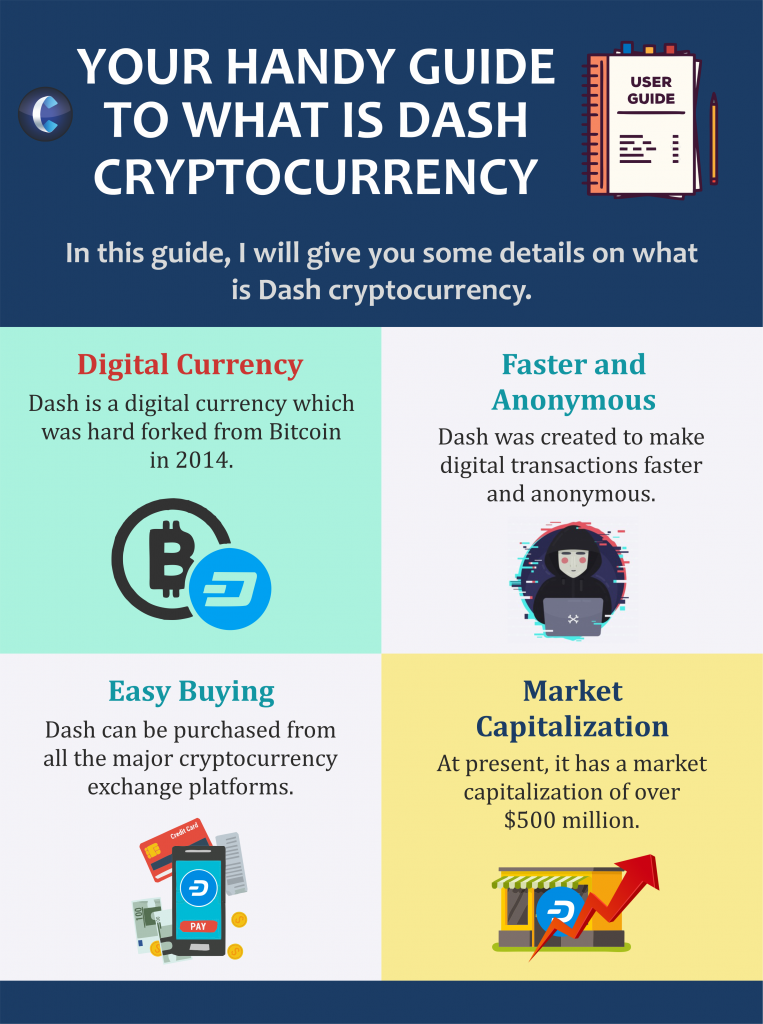
Your Handy Guide To What Is Dash Cryptocurrency

What is Dash Cryptocurrency

Dash, originally launched in 2014, has consistently aimed to be “Digital Cash” – a fast, private, and user-friendly cryptocurrency for everyday transactions. In 2025, Dash continues to evolve, maintaining its core features while adapting to the broader crypto landscape. This guide will explore “what is Dash cryptocurrency” today, focusing on the key innovations that define “Dash crypto 2025.”

The Core of Dash: A Digital Cash Revolution


What Is Dash Cryptocurrency


Dash (DASH) stands for “Digital Cash,” embodying its mission to provide a viable alternative to traditional fiat currency. It was initially forked from Bitcoin’s protocol but introduced significant enhancements to address Bitcoin’s scalability and privacy limitations for everyday use.

At its heart, Dash is a decentralized, peer-to-peer electronic cash system. Its blockchain ensures that transactions are secure and immutable, without the need for intermediaries like banks.

Key Features Defining Dash Crypto in 2025


Decentralized Autonomous Organization


Dash is also referred to as a Decentralized Autonomous Organization or simply DAO. DAO is basically an organized system described by protocols encoded as a transparent, shareholder-controlled computer program. Thus being a cryptocurrency controlled by shareholders, it eliminated any involvement of central organizations. The program rules and transactions are recorded in the blockchain network. Also, the transactions recorded in the blockchain were not as costly as the third party, which makes everything expensive, was eliminated. All these features made Dash cryptocurrency a great choice among communities, developers and other individuals.

How To Buy Dash Cryptocurrency


How To Buy Dash Cryptocurrency


Currently, Dash cryptocurrency has become a valuable digital asset due to the anonymity it has provided to its customers. Now, many of you might be wondering how to buy Dash cryptocurrency. So below, I have provided some steps that can help you buy Dash cryptocurrency. Also, I have taken an example of CEX.io as the cryptocurrency exchange platform. You can also go to other platforms.

Steps To Buy Dash Cryptocurrency


Steps To Buy Dash Cryptocurrency


  1. First, arrange a Dash wallet for yourself. Two most popular digital wallets to store Dash coins are Edge and Ledger Nano X.
  2. After that, explore your Dash address. This address is the one where you would receive your coins.
  3. Create an account in CEX.io. It is a good cryptocurrency exchange platform for Dash.
  4. Purchase Dash cryptocurrency with either the platform or the brokerage service.
  5. At last, receive your purchased Dash coins in your wallet. Make sure you have received the coins before leaving the website. 

How to Acquire Dash in 2025

Where To Buy Dash Cryptocurrency


Acquiring Dash in 2025 is straightforward, as it’s listed on numerous reputable cryptocurrency exchanges:

  • Centralized Exchanges (CEXs): Platforms like Binance and CEX.IO offer DASH against various fiat currencies (e.g., USD, EUR, INR) and other cryptocurrencies. These exchanges provide a user-friendly interface for buying, selling, and trading Dash.
  • Regional Exchanges (e.g., India): For users in India, platforms such as BuyUcoin facilitate direct purchases of Dash with Indian Rupees (INR), making it accessible for local investors.
  • Fintech Apps: Services like Revolut allow users in supported regions to buy and hold Dash alongside other cryptocurrencies, integrating it into broader financial services.

When purchasing Dash, always ensure you’re using a reputable platform and consider transferring your Dash to a secure crypto wallet for long-term storage and potentially participating in Masternode operations or simply holding your assets securely. You can learn more about securing your assets in our guide to cold wallets.

The Future of Dash Crypto in 2025 and Beyond


Dash Price Prediction 2025

Dash’s ongoing development focuses on enhancing its usability, scalability, and security, continually striving to realize its vision of becoming a widely adopted digital currency. The strong governance model, powered by Masternodes, ensures that the project remains adaptable and responsive to market demands and technological advancements in the ever-evolving blockchain space. Dash crypto in 2025 stands as a testament to a project focused on practical, everyday utility.


dash cryptocurrency tutorial


Frequently Asked Questions (FAQ):

Q1: What are Masternodes in the Dash network and why are they important in 2025?

A1: In 2025, Masternodes are vital components of the Dash network, serving as specialized servers that perform critical functions beyond those of regular nodes. They enable features like InstantSend (instant transactions) and PrivateSend (enhanced privacy). Masternode operators also play a key role in Dash’s decentralized governance system, voting on important proposals and receiving a portion of the block rewards for their services. To run a Masternode, you need to hold 1,000 DASH as collateral.

Q2: How does Dash’s InstantSend feature work, and why is it beneficial in 2025?

A2: Dash’s InstantSend feature allows transactions to be confirmed and settled within approximately 1-2 seconds, making them nearly instantaneous. In 2025, this is achieved by Masternodes locking the inputs of a transaction, preventing double-spending and ensuring rapid finality. This speed is highly beneficial for everyday payments, point-of-sale systems, and any scenario where quick confirmation is crucial, bridging the gap between traditional digital payments and cryptocurrency transactions.

Q3: Is Dash still focused on privacy in 2025, and how does PrivateSend contribute to that?

A3: Yes, Dash continues to offer enhanced privacy features in 2025 through its PrivateSend functionality. PrivateSend works by mixing your transactions with those of other users, making it significantly more difficult to trace the origin and destination of funds on the blockchain. While it doesn’t offer absolute anonymity like some privacy-focused cryptocurrencies, it provides a substantial improvement in transactional privacy compared to standard transparent blockchain transactions.


What is Cryptocurrency Market Cap in 2025? Your Essential Crypto Guide

B2C2

Understanding “what is cryptocurrency market cap” is fundamental for anyone navigating the digital asset space in 2025. It’s a key metric that helps investors assess the size, stability, and potential of a cryptocurrency. This comprehensive “cryptocurrency guide 2025” will delve into market capitalization, its importance, how it’s calculated, and what it signifies for your investment decisions.

Defining Cryptocurrency Market Capitalization

Cryptocurrency market capitalization, often simply called “market cap,” represents the total value of all the coins or tokens of a particular cryptocurrency that are currently in circulation. It’s calculated by a straightforward formula:

Market Cap = Current Price per Coin × Circulating Supply of Coins

For example, if Bitcoin (BTC) is trading at $100,000 per coin and there are 19.7 million BTC in circulation (as of mid-2025), its market cap would be $1.97 trillion.

This metric provides a quick snapshot of a cryptocurrency’s relative size and influence in the broader market, making it a crucial tool for both new and experienced investors.

Why Does Cryptocurrency Market Cap Matter in 2025?

In the dynamic crypto market of 2025, market cap is more than just a number; it offers valuable insights:

  1. Indicates Size and Stability: Cryptocurrencies with larger market caps (often exceeding $10 billion, sometimes referred to as “large-cap cryptos”) are generally considered more established, stable, and less volatile. These include major players like Bitcoin and Ethereum, which tend to have broader adoption and institutional backing.
  2. Aids in Risk Assessment:
    • Large-Cap Cryptos: Often seen as lower-risk investments due to their proven track record, greater liquidity, and widespread acceptance.
    • Mid-Cap Cryptos: (Typically between $1 billion and $10 billion) offer a balance of growth potential and higher risk compared to large-caps.
    • Small-Cap Cryptos: (Below $1 billion) are often highly volatile and speculative, carrying significant risk but also the potential for substantial short-term returns.
  3. Reflects Market Dominance: A higher market cap usually signifies greater dominance and popularity within the crypto ecosystem. It helps to rank cryptocurrencies, as seen on popular data sites like CoinMarketCap and CoinGecko.
  4. Helps Identify Trends: Monitoring changes in the total cryptocurrency market cap can provide insights into overall market trends, such as bull markets (expansion) or bear markets (contraction).
  5. Not a Measure of Money Inflow: It’s important to understand that market cap does not represent the total amount of money that has been invested into a cryptocurrency. It’s a theoretical valuation based on the current price and circulating supply. A small change in price can dramatically affect the market cap without a proportional inflow of new capital.

Types of Market Cap: Circulating vs. Fully Diluted

When analyzing market cap, you’ll often encounter two terms:

  • Circulating Market Cap: This is the most commonly used metric, calculated using only the coins currently available in the market and actively trading.
  • Fully Diluted Market Cap (FDV): This metric assumes that all tokens or coins that will ever exist for a project are currently in circulation. It’s calculated by: FDV = Current Price per Coin × Total Maximum Supply of Coins. FDV provides a broader view of a project’s potential future valuation but can also highlight potential future selling pressure if a large number of tokens are yet to be released.

Cryptocurrency Guide 2025: Beyond Market Cap

While market cap is a powerful indicator, a comprehensive cryptocurrency guide for 2025 emphasizes that it should not be the only factor in your investment decisions. Here’s what else to consider:

  • Technology and Use Case: Understand the underlying blockchain technology, what problem the cryptocurrency aims to solve, and its real-world utility.
  • Development Team and Community: Research the team behind the project, their experience, and the strength of the community supporting the project.
  • Trading Volume and Liquidity: High trading volume indicates strong liquidity, meaning you can buy or sell the asset easily without significantly impacting its price. You can track this on exchanges and data aggregator sites.
  • Roadmap and Partnerships: Look at the project’s future plans and any significant partnerships that could drive adoption.
  • Regulatory Environment: The regulatory landscape is constantly evolving in 2025. Be aware of how regulations in your region (and globally) might impact the crypto asset.
  • Market Sentiment and News: Keep an eye on news, social media, and broader market sentiment, as these can heavily influence crypto prices.

Conclusion: Navigating the Crypto Market with Market Cap in 2025

Cryptocurrency market capitalization is an invaluable tool for understanding the size, stability, and relative position of digital assets in 2025. By combining market cap analysis with a broader understanding of a project’s fundamentals, technology, and market dynamics, you can make more informed decisions as you navigate the exciting and evolving world of cryptocurrencies. Remember, the crypto market is inherently volatile, and thorough research is always paramount.

Frequently Asked Questions (FAQ):

Q1: How is cryptocurrency market cap calculated?

A1: Cryptocurrency market capitalization is calculated by multiplying the current price of a single coin or token by its total circulating supply. For example, if a coin is priced at $5 and has 100 million coins in circulation, its market cap is $500 million. This formula helps determine the overall theoretical value of a cryptocurrency project.

Q2: What is the difference between “circulating market cap” and “fully diluted market cap (FDV)”?

A2: The “circulating market cap” is based on the number of coins currently available and actively trading in the market. “Fully diluted market cap (FDV),” on the other hand, calculates the total value assuming all tokens or coins that will ever exist for a project are in circulation, including those not yet released or locked up. FDV gives an idea of a project’s maximum potential valuation, while circulating market cap reflects its current value.

Q3: Can a cryptocurrency with a high price have a low market cap?

A3: Yes, absolutely. A cryptocurrency’s price per coin alone does not determine its overall value or market cap. A coin could have a very high price (e.g., $1000) but a very small circulating supply (e.g., 10,000 coins), resulting in a market cap of only $10 million. Conversely, a coin with a low price (e.g., $0.01) but a massive circulating supply (e.g., 100 billion coins) would have a market cap of $1 billion. Therefore, market cap provides a more accurate measure of a cryptocurrency’s size than price alone.

What is Cryptocurrency Mining in 2025? A Guide to Digital Asset Creation

guide to cryptocurrency mining,

Cryptocurrency mining, once largely associated with powerful computers solving complex puzzles, has evolved significantly in 2025. While the core concept of validating transactions and introducing new coins remains, the methods and underlying technologies have diversified. This guide will delve into “what is cryptocurrency mining” today, exploring its different forms and how the landscape of “crypto mining 2025” is shaped by technological advancements and environmental considerations.

The Essence of Cryptocurrency Mining

At its heart, cryptocurrency mining is the process by which new cryptocurrency units are created and transactions are verified and added to the blockchain – the decentralized public ledger that underpins cryptocurrencies. This process plays a vital role in maintaining the security, integrity, and decentralization of many blockchain networks.

Historically, mining primarily referred to Proof-of-Work (PoW), where participants (miners) use computational power to solve complex mathematical puzzles. The first miner to solve the puzzle gets to add a new block of transactions to the blockchain and is rewarded with newly minted cryptocurrency and transaction fees. Bitcoin is the most prominent example of a cryptocurrency still relying on PoW.

The Evolution of Crypto Mining: PoW vs. PoS in 2025

The most significant shift in crypto mining by 2025 is the widespread adoption of Proof-of-Stake (PoS) as an alternative consensus mechanism.

  • Proof-of-Work (PoW):

    • How it works: Miners use powerful hardware (ASICs for Bitcoin, GPUs for some altcoins) to solve cryptographic puzzles. This process consumes significant amounts of electricity.
    • Pros: Highly secure, robust decentralization (theoretically).
    • Cons: Energy-intensive, high hardware costs, often leads to centralization of mining power in large farms with access to cheap electricity.
    • Relevant in 2025 for: Bitcoin, Litecoin, Dogecoin, Monero (ASIC-resistant), and a few other cryptocurrencies.
  • Proof-of-Stake (PoS):

    • How it works: Instead of “mining” with computational power, participants (validators) “stake” a certain amount of cryptocurrency as collateral to validate transactions. They are chosen to validate blocks based on the amount of crypto they’ve staked.
    • Pros: Significantly more energy-efficient, lower barrier to entry (no expensive hardware needed), often leads to faster transaction processing.
    • Cons: Can potentially lead to centralization if a few large stakers control a significant portion of the staked coins.
    • Relevant in 2025 for: Ethereum (post-Merge), Cardano, Solana, Polkadot, and many other newer blockchains. You can learn more about this in our guide to crypto staking.

Types of Crypto Mining in 2025 (Primarily PoW)

For cryptocurrencies that still utilize Proof-of-Work, there are several methods:

  1. ASIC Mining (Application-Specific Integrated Circuit):

    • What it is: These are specialized, purpose-built machines designed solely for mining a specific cryptocurrency algorithm (e.g., Bitcoin’s SHA-256).
    • Relevance in 2025: ASICs are the most efficient and dominant way to mine Bitcoin and other major PoW coins. They are very expensive, consume a lot of power, and generate significant heat and noise.
    • Profitability: Highly dependent on electricity costs and the cryptocurrency’s market price.
  2. GPU Mining (Graphics Processing Unit):

    • What it is: Utilizing the powerful graphics cards found in gaming computers to mine cryptocurrencies.
    • Relevance in 2025: Less dominant for highly competitive coins like Bitcoin (due to ASICs), but still viable for mining certain ASIC-resistant altcoins like Ravencoin (RVN) or Ethereum Classic (ETC).
    • Versatility: GPUs can be used to mine various algorithms, offering flexibility.
  3. CPU Mining (Central Processing Unit):

    • What it is: Using a standard computer’s CPU to mine.
    • Relevance in 2025: Largely unprofitable for most major cryptocurrencies due to the low hash rate compared to GPUs and ASICs. Primarily viable for very niche, ASIC-resistant coins like Monero (XMR).
  4. Cloud Mining:

    • What it is: Renting mining power from a remote data center. You pay a fee and receive a share of the mined cryptocurrency without owning or managing hardware.
    • Relevance in 2025: Can be a low-effort way to participate, but often comes with high fees and is susceptible to scams. Careful research is crucial. Reputable cloud mining providers in 2025 are focusing on transparency and regulatory compliance.
  5. Mining Pools:

    • What it is: Groups of individual miners who combine their computational power to increase their chances of solving a block and earning rewards. Rewards are then split proportionally among pool members based on their contribution.
    • Relevance in 2025: Essential for most individual PoW miners, especially for highly competitive coins like Bitcoin, as solo mining is rarely profitable unless you have massive computing power.

The Environmental and Regulatory Landscape of Crypto Mining in 2025

The environmental impact of Proof-of-Work mining, particularly Bitcoin, remains a significant topic in 2025. Concerns about high energy consumption and carbon emissions are driving innovations in renewable energy sources for mining operations and influencing regulatory discussions worldwide.

Governments and regulatory bodies are increasingly scrutinizing mining operations, leading to shifts in geographical distribution of mining activities and the rise of more sustainable practices. Many new projects are focusing on PoS to address these concerns and appeal to environmentally conscious investors.

Conclusion: Crypto Mining in 2025 – A Diverse Landscape

Cryptocurrency mining in 2025 is a multifaceted activity. While traditional Proof-of-Work mining continues for giants like Bitcoin, driven by powerful ASICs and mining pools, the shift towards Proof-of-Stake for a growing number of cryptocurrencies has redefined what “mining” entails. Understanding these different mechanisms, their associated technologies, and the evolving environmental and regulatory landscape is key to comprehending the dynamic world of digital asset creation in the current era.

Frequently Asked Questions (FAQ):

Q1: What is the main difference between Proof-of-Work (PoW) and Proof-of-Stake (PoS) mining in 2025?

A1: In 2025, the main difference is that Proof-of-Work (PoW) mining, used by Bitcoin, requires powerful computers to solve complex mathematical puzzles, consuming significant energy. Proof-of-Stake (PoS), now used by Ethereum and many other cryptocurrencies, involves participants “staking” their crypto as collateral to validate transactions, making it much more energy-efficient and eliminating the need for specialized mining hardware.

Q2: Is traditional cryptocurrency mining (like Bitcoin mining) still profitable in 2025?

A2: The profitability of traditional cryptocurrency mining in 2025, especially for Bitcoin, depends heavily on factors like the cost of electricity, the efficiency of your mining hardware (ASICs), and the current market price of the cryptocurrency. With increased competition and the Bitcoin halving events, individual solo mining is rarely profitable without substantial investment in top-tier equipment and access to very cheap power. Joining a mining pool is often the only viable option for smaller miners.

Q3: What are the environmental concerns related to crypto mining in 2025?

A3: In 2025, environmental concerns primarily relate to Proof-of-Work (PoW) mining, which consumes vast amounts of electricity, often sourced from fossil fuels, leading to significant carbon emissions. This has prompted increasing regulatory scrutiny and a push within the crypto industry towards more sustainable practices, including the adoption of renewable energy sources for mining farms and the widespread transition to energy-efficient Proof-of-Stake (PoS) consensus mechanisms.

How to Buy Ethereum Instantly: Your 2025 Guide to Fast ETH Purchases

buy ethereum instantly

Ethereum (ETH) remains a cornerstone of the cryptocurrency ecosystem, powering countless decentralized applications (dApps) and serving as a leading digital asset. If you’re looking to buy Ethereum quickly and easily in 2025, several platforms offer near-instant purchasing options. This updated guide will walk you through the fastest ways to acquire ETH and also provide context on purchasing other cryptocurrencies.

The Need for Speed: Buying Ethereum Instantly

In the fast-paced world of crypto, opportunities can arise quickly, making the ability to buy Ethereum instantly a valuable feature. Whether you’re looking to capitalize on a price dip, participate in a time-sensitive NFT drop, or simply get started with ETH, knowing the quickest methods is key.

Top Platforms for Buying Ethereum Instantly in 2025

Several cryptocurrency exchanges and platforms prioritize speed and ease of use when it comes to buying Ethereum:

  1. Major Cryptocurrency Exchanges with Card Purchases: Platforms like Coinbase, Binance, Kraken, and KuCoin often allow you to buy Ethereum instantly using a debit or credit card. This method typically involves linking your card to your account and then executing the purchase. While convenient, card purchases may come with slightly higher fees compared to other methods.
  2. Instant Buy/Sell Services: Some platforms specialize in offering instant buy and sell options for cryptocurrencies, including Ethereum. Services like ChangeNOW, Guardarian, and potentially the instant buy features within larger exchanges aim to provide quick transactions. These often support card payments and may offer a streamlined process.
  3. Peer-to-Peer (P2P) Platforms (with Fast Payment Options): While P2P platforms connect buyers and sellers directly, some integrate fast payment methods like UPI (in India) or other local instant transfer systems, which can lead to relatively quick ETH purchases once a seller is matched. However, the “instant” aspect relies on the seller’s responsiveness.
  4. Brokerage Apps with Crypto: Certain brokerage apps that have integrated cryptocurrency trading may offer instant buying power upon depositing funds, allowing you to purchase Ethereum quickly.


How to Buy Ethereum Instantly: A Step-by-Step Guide (Using a Card on an Exchange)


buy ethereum instantly


While the exact steps vary by platform, here’s a general guide using a debit/credit card on a major exchange:

  1. Choose a Platform: Select a reputable exchange that offers instant Ethereum purchases via card (e.g., Coinbase, Binance).
  2. Sign Up and Verify: Create an account and complete the necessary identity verification (KYC) process.
  3. Link Your Card: Navigate to the payment methods section and link your debit or credit card.
  4. Go to the “Buy Crypto” Section: Find the option to buy cryptocurrencies.
  5. Select Ethereum (ETH): Choose ETH as the cryptocurrency you want to purchase.
  6. Choose Your Payment Method: Select the linked debit/credit card.
  7. Enter the Amount: Specify how much Ethereum you want to buy (in fiat currency or ETH).
  8. Review and Confirm: Double-check the details and confirm your purchase. The ETH should typically appear in your wallet balance almost instantly.


Expanding Your Crypto Portfolio: How to Purchase Other Cryptocurrencies


buy eth with credit card


The process for instantly buying Ethereum is often similar to purchasing other cryptocurrencies. Once you have an account on a platform that supports instant purchases (usually via card), you can typically select from a range of available digital assets, including Bitcoin (BTC), altcoins, and more. Simply navigate to the “buy crypto” section and choose the cryptocurrency you wish to purchase.


buy ethereum with PayPal

Key Considerations for Instant Crypto Purchases

  • Fees: Instant purchase methods, especially those involving cards, may have higher fees compared to bank transfers or other options. Be sure to check the fee structure before completing your transaction.
  • Limits: Platforms may impose limits on the amount of cryptocurrency you can buy instantly, especially for new users.
  • Security: Always use reputable and secure platforms for your cryptocurrency purchases. Enable two-factor authentication (2FA) on your account.


buy ethereum India

Conclusion: Fast and Easy Ethereum Purchases in 2025

Buying Ethereum instantly in 2025 is readily achievable through various user-friendly platforms that support fast payment methods like debit/credit cards. By choosing a reputable service and understanding the associated fees and limits, you can quickly acquire ETH to participate in the Ethereum ecosystem or add it to your investment portfolio. The ease of buying Ethereum instantly often extends to purchasing other cryptocurrencies as well, making it simpler than ever to enter the digital asset market.

The easiest way to buy ethereum coins instantly in India is to set up an account on crypto exchanges and wallet with them. Best Exchanges to buy Ethereum in India could be WazirX, Giotuss, Koinex, CoinDCX, LocalBitcoin, BuyUcoin, Coinome, Unocoin. Some of them have desktop interfaces while some others are available on the mobile app. You can buy, trade or exchange your Eth brought from fiat currency (INR) after linking your bank account to crypto exchange.

ETH coins in India can also be purchased via decentralized platforms. You need to buy bitcoins using your account of PayTM, Paypal or UPI or use credit/debit card to buy bitcoins from any exchange. And swap either through smart contracts based atomic swapping (Decentralized Exchanges) or crypto to crypto trading on any exchange.

Just make sure the transaction fees, authenticity of exchange and the sellers associated with transactions, before buying Ether coins from any of the methods.

Thus, you can buy ethereum instantly through centralized as well as decentralized exchanges, via debit and credit cards, Paypal, cash, bank transfers, bitcoins or even through ATMs. So have a look at the price chart of Ethereum (March 2020) and start investing some of your money into ETH coins. Ethereum is expected to gain momentum and rise in price after the effects of COVID-19 began to settle down on the global economy. But, being a volatile currency, don’t lose the change to speculate and invest in crypto coins.

Frequently Asked Questions (FAQ):

Q1: What’s the fastest way to buy Ethereum in 2025?

A1: The fastest way to buy Ethereum in 2025 is generally by using a debit or credit card on a major cryptocurrency exchange like Coinbase, Binance, or Kraken. These platforms often allow for near-instant purchases once your card is linked and verified, although fees might be slightly higher compared to other payment methods.

Q2: Can I instantly buy other cryptocurrencies besides Ethereum?

A2: Yes, the methods used for buying Ethereum instantly (primarily debit/credit cards and instant buy services) often apply to purchasing other popular cryptocurrencies like Bitcoin, Litecoin, and various altcoins. Once you have an account set up on a platform that offers instant purchases, you can typically select from a range of available digital assets.

Q3: Are there any risks associated with buying Ethereum or other cryptocurrencies instantly?

A3: While convenient, instant purchases, especially via credit/debit cards, may come with higher transaction fees. Additionally, it’s crucial to use secure and reputable platforms to avoid potential scams. Always be mindful of the fees involved and ensure you are using a well-known exchange or instant buy service with a good security track record.


How to Trade Altcoins in 2025: A Beginner’s Guide, Plus Anonymous Bitcoin Buying Insights

ansfer Your Altcoin from One Wallet to Another Wallet?

The world of cryptocurrency extends far beyond Bitcoin, with a diverse range of alternative cryptocurrencies, or altcoins, presenting unique trading opportunities. Understanding how to navigate the altcoin market is crucial for any crypto trader. This updated guide for 2025 will walk you through the fundamentals of trading altcoins and also touch upon the complexities surrounding the desire to “buy bitcoin anonymously.”

Understanding Altcoin Trading in 2025

altcoins losses double digits

Trading altcoins involves buying and selling cryptocurrencies other than Bitcoin, with the aim of profiting from price fluctuations. The altcoin market can be more volatile than Bitcoin, offering both higher potential returns and greater risks. To trade altcoins effectively, it’s essential to understand the market dynamics, different trading strategies, and the platforms where you can execute trades.

Key Steps to Trading Altcoins

  1. Choose a Reputable Altcoin Exchange: Select an exchange that offers a wide variety of altcoins you’re interested in trading, along with sufficient liquidity. Popular exchanges include Binance, KuCoin, Kraken, Coinbase, and Gate.io. Consider factors like fees, security, and user interface. You can explore our guide on the best altcoin exchanges for more information.
  2. Fund Your Account: Once you’ve chosen an exchange, you’ll need to deposit funds. Most exchanges support various deposit methods, including fiat currencies (like USD, EUR, INR) and other cryptocurrencies (like Bitcoin or USDT).
  3. Research Altcoins: Before trading, thoroughly research the altcoins you’re interested in. Understand their underlying technology, use case, market capitalization, and recent news. Resources like CoinMarketCap and CoinGecko can be helpful.
  4. Develop a Trading Strategy: Determine your trading style (e.g., day trading, swing trading, long-term investing) and develop a strategy that aligns with your goals and risk tolerance. Consider using technical analysis (chart patterns, indicators) and fundamental analysis (news, adoption) to inform your decisions.
  5. Place Your Trades: Use the exchange’s trading interface to buy or sell altcoins. You’ll typically have different order types available, such as market orders (executed at the best available current price) and limit orders (executed only at your specified price).
  6. Manage Your Risk: Cryptocurrency trading is inherently risky. Use stop-loss orders to limit potential losses and never invest more than you can afford to lose. Consider diversifying your 1 portfolio across different altcoins.
     
  7. Secure Your Holdings: For longer-term storage, consider transferring your altcoins to a secure multi-cryptocurrency wallet where you control your private keys.

Popular Altcoin Trading Strategies

  • Trend Following: Identifying and trading in the direction of the prevailing market trend.
  • Breakout Trading: Buying or selling when the price breaks out of a defined range.
  • Swing Trading: Holding altcoins for a few days or weeks to profit from price swings.
  • Scalping: Making numerous small trades throughout the day to accumulate small profits.

The Persistent Question: Buying Bitcoin Anonymously

As you’re also focusing on “buy bitcoin anonymously,” it’s important to address this, even though the primary focus of this article is altcoin trading. Many individuals who are new to crypto, or those interested in altcoins, also inquire about buying Bitcoin with anonymity.

As discussed in previous responses, truly anonymous methods for buying Bitcoin are increasingly difficult to find due to regulatory requirements on most reputable exchanges. Platforms that offer a wide range of altcoins for trading (like Binance, KuCoin, Kraken, etc.) typically also require KYC verification for buying and selling Bitcoin.

Recap on Anonymous Bitcoin Buying:

  • Limited Options: P2P platforms (risky), Bitcoin ATMs (limited availability, high fees), DEXs (primarily crypto-to-crypto).
  • Regulatory Hurdles: Most regulated exchanges require KYC.
  • Increased Risks: Higher chance of scams on anonymous platforms.

Recommendation: For trading altcoins and acquiring Bitcoin, using reputable exchanges that follow KYC/AML procedures is generally the safest and most reliable approach. While it requires providing personal information, it offers a more secure trading environment and access to a wider range of cryptocurrencies and trading tools.

Conclusion: Navigating the Altcoin Market in 2025

Trading altcoins presents exciting opportunities in the cryptocurrency space. By choosing a reputable exchange, understanding trading strategies, and managing risk effectively, you can participate in this dynamic market. When it comes to buying Bitcoin anonymously, it’s crucial to be aware of the limitations and potential risks involved, with regulated exchanges being the standard for secure transactions.

Frequently Asked Questions (FAQ):

Q1: What is the first step to trading altcoins in 2025?

A1: The first step to trading altcoins in 2025 is to choose a reputable cryptocurrency exchange that offers a wide variety of altcoins you are interested in trading. Consider factors like the exchange’s security, fees, user interface, and the specific altcoins listed. Platforms like Binance, KuCoin, and Kraken are popular choices.

Q2: Is it possible to trade altcoins anonymously, similar to the desire to buy Bitcoin anonymously?

A2: While some smaller or less regulated exchanges might have fewer KYC requirements, most reputable exchanges that offer a wide selection of altcoins also adhere to KYC/AML regulations. Therefore, truly anonymous altcoin trading on major platforms is generally not possible. Using regulated exchanges provides a safer trading environment, even if it requires identity verification.

Q3: What are some common risks involved in trading altcoins?

A3: Trading altcoins carries several risks, including higher price volatility compared to Bitcoin, lower liquidity for some less popular coins, the potential for scams and rug pulls (especially with newer projects), and market sentiment that can change rapidly. It’s crucial to manage your risk by not investing more than you can afford to lose, using stop-loss orders, and diversifying your portfolio. Thorough research into each altcoin you trade is also essential.

Best Altcoin Exchanges That Provide Trading Services For Most Crypto Coins

Trade Diverse Cryptocurrencies

The cryptocurrency market extends far beyond Bitcoin, with a vast array of alternative cryptocurrencies, or altcoins, offering unique technologies and investment opportunities. Choosing the right exchange to trade these altcoins is crucial for access, liquidity, and security. This updated guide for 2025 will highlight some of the best altcoin exchanges available and also address the complex and often challenging topic of buying Bitcoin anonymously.

Selecting the Best Altcoin Exchange in 2025

The landscape of cryptocurrency exchanges is constantly evolving. When selecting an exchange for trading altcoins, consider these key factors:

  1. Variety of Altcoins Listed: Ensure the exchange offers a wide selection of the altcoins you are interested in trading, including newer and less mainstream options. Platforms like Binance, KuCoin, and Gate.io are known for their extensive altcoin listings.
  2. Liquidity: High liquidity ensures that you can easily buy and sell your chosen altcoins without significant price slippage. Exchanges with a large user base and high trading volumes generally offer better liquidity.
  3. Fees: Compare the trading fees, withdrawal fees, and deposit fees across different exchanges. Some exchanges offer tiered fee structures based on your trading volume.
  4. Security: Robust security measures are paramount to protect your funds. Look for features like two-factor authentication (2FA), cold storage of funds, and a history of security. Reputable exchanges like Coinbase, Kraken, and Gemini prioritize security.
  5. User Interface and Experience: A user-friendly interface, especially on mobile apps, can significantly enhance your trading experience. Platforms like Coinbase and Binance are often praised for their intuitive design.
  6. Regulation and Compliance: Choose exchanges that comply with the regulatory requirements in your jurisdiction. This adds a layer of trust and security.
  7. Advanced Trading Features: If you are an experienced trader, look for features like margin trading, futures, and advanced charting tools.
  8. Customer Support: Responsive and helpful customer support is essential if you encounter any issues.

Top Altcoin Exchanges to Consider in 2025:

Based on the criteria above, here are some of the leading altcoin exchanges in 2025:

Binance:

Binance Coin (BNB)

Renowned for its vast selection of altcoins, high liquidity, and relatively low fees. Offers advanced trading features and a comprehensive ecosystem.

KuCoin:

Kukoin

Another exchange with a wide array of altcoins, including many smaller and newer projects. Known for its “crypto gems” and staking options.

Gate.io:

gate.io

Offers a large number of altcoins and margin trading options. Has been operating for a significant period in the crypto space.

Kraken:

kraken

A well-established exchange known for its strong security and a good selection of altcoins. Offers margin trading and futures in some regions.

Coinbase:

While known for its user-friendly interface and strong security, Coinbase also offers a growing selection of popular altcoins.

Gemini:

Prioritizes security and regulatory compliance, offering a curated list of altcoins. Known for its user-friendly platform and focus on institutional investors as well.

Bybit:

Popular for derivatives trading but also offers a good selection of spot altcoins. Known for its trading competitions and leverage options.

Navigating the Desire to Buy Bitcoin Anonymously

As you’ve also focused on the keyword “buy bitcoin anonymously,” it’s important to address this topic within the context of choosing an altcoin exchange, as some users might be looking for platforms that facilitate anonymous crypto purchases.

While the desire for anonymity in cryptocurrency transactions exists, it’s becoming increasingly challenging due to global regulatory efforts to combat money laundering and illicit activities. Most reputable cryptocurrency exchanges, including those listed above for altcoin trading, are subject to Know Your Customer (KYC) and Anti-Money Laundering (AML) regulations. This means they require users to verify their identity before allowing them to buy, sell, or trade cryptocurrencies, including Bitcoin.

Limited and Risky Options for Buying Bitcoin Anonymously:

As discussed in the previous response, truly anonymous methods for buying Bitcoin are scarce and often come with significant drawbacks:

  • Peer-to-Peer (P2P) Platforms: While some P2P platforms might have less stringent KYC, they carry higher risks of scams.
  • Bitcoin ATMs: Availability in most regions is limited, and fees are typically high.
  • Decentralized Exchanges (DEXs): Primarily facilitate crypto-to-crypto trades, making anonymous Bitcoin purchases with fiat difficult.
  • Privacy-Focused Cryptocurrencies (Indirect): Involves buying a privacy coin anonymously (challenging with fiat) and then swapping it for Bitcoin.

Important Considerations:

  • Regulatory Compliance: Exchanges facilitating truly anonymous Bitcoin purchases with fiat currencies would likely be operating outside of legal frameworks in many jurisdictions.
  • Security Risks: Anonymous platforms can be havens for malicious actors, increasing the risk of losing your funds.
  • Limited Functionality: Exchanges focusing on anonymity might lack the features and liquidity of regulated platforms.

Recommendation: For the vast majority of users looking to trade altcoins and potentially acquire Bitcoin, using reputable and regulated cryptocurrency exchanges that adhere to KYC/AML procedures is the safest and most reliable approach. While this requires providing personal information, it ensures a more secure trading environment and access to a wider range of services. If privacy is a major concern, exploring privacy-focused cryptocurrencies for transactions (not necessarily for initial Bitcoin purchase with fiat) might be a separate area of interest.

Conclusion: Choosing Your Crypto Trading Platform in 2025

Selecting the best altcoin exchange in 2025 requires careful consideration of factors like coin selection, liquidity, fees, and security. Reputable exchanges like Binance, KuCoin, Kraken, Coinbase, and Gemini offer a wide range of altcoins and prioritize user safety. When it comes to buying Bitcoin anonymously, it’s crucial to understand the limitations and risks associated with such methods in the current regulatory landscape. For a secure and compliant trading experience, using KYC-verified exchanges is generally the recommended path.

Frequently Asked Questions (FAQ):

Q1: What are the key factors to consider when choosing an altcoin exchange in 2025?

A1: When selecting an altcoin exchange in 2025, prioritize factors such as the variety of altcoins listed, the liquidity of the trading pairs, the fees charged for trading and withdrawals, the security measures implemented by the exchange (like 2FA and cold storage), the user interface and overall trading experience, and the exchange’s regulatory compliance in your region.

Q2: Is it safe to buy altcoins and Bitcoin on exchanges that do not require KYC for anonymous purchases?

A2: Trading on exchanges that do not require KYC for anonymous purchases can carry significant risks. These platforms may be less regulated, increasing the potential for scams and security breaches. Additionally, they might have lower liquidity and fewer consumer protection measures. While the allure of anonymity exists, it’s generally safer to use reputable and regulated exchanges that implement KYC/AML procedures, even if it means providing personal information.

Q3: Which popular altcoin exchanges also offer the option to buy Bitcoin?

A3: Most major cryptocurrency exchanges that offer a wide selection of altcoins also allow you to buy and trade Bitcoin. Platforms like Binance, KuCoin, Kraken, Coinbase, Gemini, and Bybit all offer Bitcoin trading pairs alongside their extensive altcoin listings. These regulated exchanges provide a more secure and compliant way to acquire Bitcoin compared to attempting anonymous purchases.

Do You Know How To Buy Bitcoins Anonymously In India?

buy bitcoin in India

Buying Bitcoin in India has become increasingly common, with numerous platforms offering convenient ways to acquire the leading cryptocurrency using Indian Rupees (INR). This updated guide for 2025 will walk you through the standard methods for buying Bitcoin in India and also explore the complexities and limitations of buying Bitcoin anonymously in the current regulatory environment.

Buying Bitcoin in India: The Established Methods

know about cryptocurrency

For most individuals in India, the easiest and most compliant way to buy Bitcoin is through regulated cryptocurrency exchanges. These platforms offer INR support and adhere to local KYC (Know Your Customer) and AML (Anti-Money Laundering) regulations. Here are the typical steps involved:

  1. Choose a Reputable Indian or International Exchange: Select a platform that operates legally in India and offers a user-friendly interface. Popular options include Binance, WazirX, CoinDCX, CoinSwitch Kuber, and ZebPay. Consider factors like fees, supported payment methods, security features, and customer support.
  2. Sign Up and Complete KYC: Create an account and undergo the mandatory KYC verification process. This usually involves submitting your PAN card, Aadhaar card, or other government-issued ID, as well as completing address verification.
  3. Deposit INR: Add funds to your exchange account using the available payment methods, such as UPI, bank transfers (IMPS, NEFT, RTGS), and sometimes mobile wallets.
  4. Navigate to the “Buy Bitcoin” Section: Most exchanges have a dedicated section for buying and selling cryptocurrencies.
  5. Place Your Order: Enter the amount of INR you want to spend or the quantity of Bitcoin you wish to purchase and confirm the transaction.
  6. Secure Your Bitcoin: Once purchased, it’s advisable to transfer your Bitcoin to a secure crypto wallet for longer-term storage, especially if you hold a significant amount.

Can You Buy Bitcoin Anonymously in India? Exploring the Options and Limitations

Buy Bitcoins Anonymously

The desire for anonymity in cryptocurrency transactions is understandable for some users. However, due to increasing regulatory scrutiny and AML requirements in India and globally, truly anonymous methods for buying Bitcoin are becoming increasingly difficult and often carry higher risks. Here’s a breakdown of potential (and often limited) options:

Peer-to-Peer (P2P) Platforms (with Caution):

Some P2P platforms might offer transactions with less stringent KYC requirements than centralized exchanges. However, even on these platforms, there’s often a need for some level of verification, especially when dealing with INR. Moreover, P2P transactions carry a higher risk of scams and dealing with untrustworthy individuals. Exercise extreme caution if considering this route.

Bitcoin ATMs (Limited Availability):

Bitcoin ATMs allow you to purchase Bitcoin using cash. While they might offer a degree of anonymity depending on the amount and the ATM’s requirements, their availability in India is very limited.

Bitcoin ATM Maker

Furthermore, these ATMs typically charge significantly higher fees compared to online exchanges.

Decentralized Exchanges (DEXs) (Indirect Anonymity for Bitcoin):

While DEXs facilitate peer-to-peer trading of various cryptocurrencies, directly buying Bitcoin with INR anonymously on a DEX is generally not feasible. DEXs primarily deal with crypto-to-crypto trades. You would likely need to acquire another cryptocurrency anonymously first (which is also challenging in India with INR) and then swap it for Bitcoin on a DEX.

Privacy-Focused Cryptocurrencies (Not Directly Buying Bitcoin Anonymously with INR):

Some privacy-focused cryptocurrencies like Monero (XMR) or Zcash (ZEC) offer enhanced transaction anonymity. While you might explore acquiring these anonymously (which is still difficult with INR), you would then need to exchange them for Bitcoin, which would involve another transaction and potentially a platform with KYC. This is not a direct way to buy Bitcoin anonymously with INR.
Bitcoins Need To Compliment INR

Important Considerations Regarding Anonymous Bitcoin Purchases in India:

  • Regulatory Compliance: Indian regulations mandate KYC for cryptocurrency exchanges to prevent money laundering and terrorist financing. Platforms facilitating anonymous transactions with INR would likely be non-compliant and potentially illegal.
  • Increased Risk of Scams: Anonymous channels often attract scammers and malicious actors. You are at a higher risk of losing your funds when dealing with unverified individuals or platforms.
  • Higher Fees: Anonymous methods, when available, often come with significantly higher fees to compensate for the increased risk and complexity.
  • Limited Options: Truly anonymous options for buying Bitcoin with INR in India are scarce and becoming more so due to regulatory pressures.

Recommendation: For the vast majority of users in India, the safest and most reliable way to buy Bitcoin is through regulated cryptocurrency exchanges that comply with KYC/AML requirements. While this involves providing personal information, it offers a more secure environment and access to established platforms with consumer protection measures.

Conclusion: Navigating Bitcoin Purchases in India in 2025

how to buy bitcoin

Buying Bitcoin in India in 2025 is straightforward through the numerous regulated exchanges that support INR transactions. While the allure of anonymity exists, truly anonymous methods are challenging, risky, and often non-compliant with local regulations. For a secure and reliable experience, using KYC-compliant exchanges is the recommended approach for most users in India looking to buy Bitcoin.

Frequently Asked Questions (FAQ):

Q1: What is the safest way to buy Bitcoin in India in 2025?

A1: The safest way to buy Bitcoin in India in 2025 is generally through well-regulated cryptocurrency exchanges that comply with KYC and AML regulations, such as Binance (INR market), WazirX, CoinDCX, and ZebPay. These platforms have security measures in place to protect your funds and personal information. Always ensure you are using the official website or app and enable two-factor authentication for added security. Consider transferring your Bitcoin to a secure crypto wallet for long-term storage.

Q2: Is it possible to buy Bitcoin anonymously in India in 2025?

A2: Truly anonymous methods for buying Bitcoin with Indian Rupees (INR) are very limited and often carry significant risks due to regulatory requirements. While options like P2P platforms or Bitcoin ATMs might offer some degree of anonymity, they often come with higher fees and increased risks of scams. Compliant and regulated exchanges in India require KYC verification, making fully anonymous purchases difficult. It’s generally recommended to use regulated platforms for a safer experience.

Q3: What are the common payment methods to buy Bitcoin in India in 2025?

A3: Common payment methods for buying Bitcoin on cryptocurrency exchanges in India in 2025 include UPI (Unified Payments Interface), bank transfers (IMPS, NEFT, RTGS), and in some cases, mobile wallets. The availability of specific payment methods can vary depending on the exchange you choose. UPI is often a popular and convenient option for many Indian users due to its ease of use and widespread adoption.

What is the Easiest Way to Buy Cryptocurrency?

Easiest Way to Buy Cryptocurrency

Buying cryptocurrency for the first time can seem daunting, but numerous platforms and methods have emerged to simplify the process, especially for users in India. Whether you’re looking to invest in Bitcoin, Ethereum, or explore other digital assets, understanding the easiest and most secure ways to enter the crypto market in India in 2025 is crucial. This updated guide will walk you through the most user-friendly options available.

Understanding the Landscape of Buying Crypto in India

The cryptocurrency landscape in India has evolved significantly since 2022. While regulations have brought more clarity, it’s essential to choose platforms that comply with local laws and offer secure and convenient ways to buy digital assets. Several cryptocurrency exchanges and investment platforms cater specifically to the Indian market, offering INR (Indian Rupee) support and various payment methods.

The Easiest Ways to Buy Cryptocurrency in India in 2025

Here are some of the most straightforward methods for buying cryptocurrency in India:

  1. Using Major Cryptocurrency Exchanges: Platforms like Binance and others offer user-friendly interfaces and support INR transactions. These exchanges typically provide a wide range of cryptocurrencies to choose from and offer various payment options, including UPI, bank transfers, and sometimes mobile wallets. The process usually involves:
    • Signing Up and KYC: Creating an account and completing the Know Your Customer (KYC) verification process, which typically involves submitting identification documents.
    • Adding Funds: Depositing INR into your exchange account using the available payment methods.
    • Buying Cryptocurrency: Navigating to the “Buy Crypto” section, selecting the cryptocurrency you want to purchase (e.g., Bitcoin (BTC), Ethereum (ETH)), entering the amount in INR or the desired crypto quantity, and confirming the transaction.
  2. Through Indian Cryptocurrency Exchanges: Several cryptocurrency exchanges have originated and operate within India, providing a localized experience. Platforms like WazirX, CoinDCX, and CoinSwitch Kuber offer INR support, multiple payment options, and user-friendly mobile apps and web interfaces. These platforms often focus on ease of use for both beginners and experienced traders. The buying process is similar to major international exchanges.
  3. Using Investment Platforms with Crypto Offerings: Some investment platforms in India have started integrating cryptocurrency buying and selling into their services. This allows users who are already familiar with these platforms to invest in crypto alongside other asset classes. The ease of use often stems from a familiar interface and integrated fund transfer options.
  4. Peer-to-Peer (P2P) Platforms: While potentially offering more flexibility in payment methods, P2P platforms connect buyers and sellers directly. While this can sometimes offer better prices, it also comes with increased risks if you’re not dealing with reputable users. Major exchanges often have integrated P2P marketplaces with escrow services to mitigate these risks. Exercise caution when using P2P methods.
    cryptocurrency wallet

Steps to Buying Cryptocurrency in India (General Guide)

No matter which platform you choose, the general steps to buying cryptocurrency in India are usually as follows:

  1. Choose a Reputable Platform: Research and select a cryptocurrency exchange or investment platform that is compliant with Indian regulations, has strong security measures, and offers a user-friendly interface. Consider factors like supported cryptocurrencies, fees, payment options, and customer support.
  2. Sign Up and Complete KYC: Create an account on your chosen 1 platform and complete the Know Your Customer (KYC) verification process. This typically involves providing your PAN card, Aadhaar card, or other government-issued identification.
  3. Add Funds to Your Account: Link your bank account, UPI ID, or other supported payment methods to your exchange account and deposit INR.
  4. Navigate to the “Buy Crypto” Section: Most platforms have a dedicated section for buying and selling cryptocurrencies.
  5. Select the Cryptocurrency: Choose the digital asset you want to purchase (e.g., Bitcoin, Ethereum, Dogecoin, Shiba Inu).
  6. Enter the Purchase Amount: Specify the amount of INR you want to spend or the quantity of cryptocurrency you wish to buy.
  7. Review and Confirm Your Order: Double-check all the details before confirming your purchase. Be aware of any transaction fees.
  8. Secure Your Cryptocurrency: Once you’ve purchased your crypto, consider transferring it to a secure crypto wallet if you plan to hold it for a longer period.

Tips for Beginners Buying Crypto in India

cryptocurency exchange

  • Start Small: Begin with a small amount that you are comfortable with losing.
  • Do Your Research: Understand the cryptocurrencies you are investing in and the risks involved.
  • Be Aware of Fees: Different platforms have varying transaction fees. Factor these into your purchase decisions.
  • Secure Your Account: Enable two-factor authentication (2FA) and use strong, unique passwords.
  • Be Cautious of Scams: Be wary of unsolicited offers or promises of guaranteed high returns. The cryptocurrency market is volatile.
  • Understand Regulations: Stay informed about the latest cryptocurrency regulations in India.

Conclusion: Making Cryptocurrency Accessible in India in 2025

Bitcoin ATMs

Buying cryptocurrency in India has become increasingly accessible thanks to the growth of user-friendly exchanges and platforms that support INR transactions. By choosing a reputable platform, understanding the buying process, and prioritizing security, individuals in India can easily participate in the cryptocurrency market in 2025. Remember to conduct thorough research and exercise caution as you navigate this evolving financial landscape

Frequently Asked Questions (FAQ):

Q1: What is the easiest way for a beginner in India to buy cryptocurrency in 2025?

A1: For beginners in India, using well-established cryptocurrency exchanges like Binance (INR market), WazirX, CoinDCX, or CoinSwitch Kuber is generally the easiest way. These platforms offer user-friendly interfaces, support INR transactions via UPI and bank transfers, and provide clear steps for buying various cryptocurrencies after completing the KYC process. Starting with smaller amounts and familiarizing yourself with the platform is recommended.

Q2: Can I buy cryptocurrency in India using Indian Rupees (INR)?

A2: Yes, absolutely. Most cryptocurrency exchanges and investment platforms catering to the Indian market allow you to buy cryptocurrencies using Indian Rupees (INR). Common payment methods include UPI (Unified Payments Interface), bank transfers (IMPS, NEFT, RTGS), and in some cases, mobile wallets. Ensure the platform you choose supports your preferred payment method for depositing INR.

Q3: Is it safe to buy cryptocurrency in India through online exchanges?

A3: Buying cryptocurrency through reputable and well-regulated online exchanges in India can be safe, but it’s crucial to choose platforms with strong security measures. Look for features like two-factor authentication (2FA), robust KYC processes, and a history of secure operations. Always research the exchange’s reputation and be vigilant against phishing attempts and other online scams. Consider transferring your cryptocurrency to a secure crypto wallet for longer-term storage.

The Best Multi-Cryptocurrency Wallets for Managing Your Diverse Portfolio in 2025

Top cryptocurrency wallets

In today’s dynamic cryptocurrency market, many investors and users hold a diverse portfolio of digital assets, including Bitcoin, Ethereum, and various altcoins. Managing these assets efficiently and securely requires a reliable multi-cryptocurrency wallet. These wallets eliminate the need for multiple single-asset wallets, providing a unified platform to store, send, receive, and often exchange a wide range of digital currencies. This updated guide for 2025 highlights some of the best multi-cryptocurrency wallets available, considering factors like security, supported assets, user-friendliness, and advanced features.

Why Choose a Multi-Cryptocurrency Wallet?

Opting for a multi-cryptocurrency wallet offers several advantages:

  • Convenience: Manage all your digital assets in one place, simplifying portfolio tracking and transactions.
  • Reduced Complexity: Avoid the hassle of managing multiple private keys and wallet interfaces.
  • Portability: Many multi-currency wallets are available on mobile and desktop, offering accessibility across devices.
  • Integrated Features: Some offer built-in exchange functionalities, allowing you to swap between different cryptocurrencies without leaving your wallet.
  • Backup and Recovery: Managing a single backup seed phrase for multiple assets can be more straightforward than handling separate backups.

Key Features to Look for in a Multi-Cryptocurrency Wallet

When selecting a multi-cryptocurrency wallet, consider these crucial features:

  • Wide Asset Support: Ensure the wallet supports all the cryptocurrencies you currently hold or plan to invest in.
  • Security Features: Robust security is paramount. Look for features like strong encryption, two-factor authentication (2FA), biometric authentication, and secure element storage (for hardware wallets).
  • User Interface: An intuitive and easy-to-navigate interface is essential for managing your diverse portfolio effectively.
  • Custodial vs. Non-Custodial Options: Decide whether you prefer the convenience of a custodial wallet (where a third party holds your private keys) or the greater control and security of a non-custodial wallet (where you own your private keys). For managing a diverse portfolio, non-custodial options are generally recommended for enhanced security and control.
  • Backup and Recovery: A reliable and straightforward backup and recovery process (usually via a seed phrase) is critical to ensure you can access your funds if your device is lost or damaged.
  • Exchange Integration: Some wallets integrate with cryptocurrency exchanges, allowing for seamless trading within the wallet interface.
  • Staking and DeFi Support: If you’re interested in earning passive income through staking or participating in decentralized finance (DeFi) applications, check if the wallet offers these features for supported assets.
  • Customer Support: Responsive and helpful customer support can be invaluable if you encounter any issues.

Top Multi-Cryptocurrency Wallets to Consider in 2025

Based on their features, security, and user reviews, here are some of the best multi-cryptocurrency wallets available in 2025:

Ledger Nano S Plus / Nano X:

Ledger Nano X Wallet

These hardware wallets are consistently ranked among the most secure options for managing multiple cryptocurrencies. They support a vast array of digital assets and store your private keys offline, protecting them from online threats. Ledger devices integrate with the Ledger Live software for managing your portfolio and conducting transactions across different blockchains.

Trezor Model One / Model T:

Trezor Model T

Similar to Ledger, Trezor offers secure hardware wallets that support a wide range of cryptocurrencies. They are known for their open-source firmware and strong security features. The Model T features a touchscreen interface for easier navigation and interaction. Both models are excellent for securely managing a diverse crypto portfolio offline.

Exodus:

Exodus

This software wallet is available for desktop and mobile and boasts a user-friendly interface with support for a large number of cryptocurrencies. Exodus offers integrated exchange functionality, allowing users to easily swap between different assets within the wallet. It provides a good balance of convenience and control over your private keys.

Trust Wallet:

Trust Wallet

A popular mobile-first, non-custodial wallet that supports a vast array of blockchains and their native cryptocurrencies, including Bitcoin, Ethereum, Binance Chain, and many others. Its intuitive interface and integration with decentralized applications (dApps) make it a versatile choice for managing a diverse portfolio on the go. Trust Wallet also supports staking for certain assets.

Atomic Wallet:

Atomic-Wallet

This multi-platform (desktop and mobile) wallet supports over 500 cryptocurrencies and offers features like built-in exchange, staking for various assets, and the ability to buy crypto with a credit card. Atomic Wallet is a non-custodial option, giving users full control over their private keys.

Coinomi:

Coinomi

One of the older multi-cryptocurrency wallets, Coinomi supports a wide range of assets and is available for mobile and desktop. It offers strong encryption and allows users to control their private keys. Coinomi also includes built-in exchange functionality through partnerships with various platforms.

Choosing the Right Multi-Cryptocurrency Wallet for You

The best multi-cryptocurrency wallet for you will depend on your specific needs and priorities. Consider the following:

  • Security Requirements: If you hold a significant amount of cryptocurrency, a hardware wallet like Ledger or Trezor offers the highest level of security.
  • Ease of Use: For beginners or those who prioritize simplicity, software wallets like Exodus or Trust Wallet offer user-friendly interfaces.
  • Supported Assets: Ensure the wallet supports all the cryptocurrencies you need to manage.
  • Desired Features: Consider if you need integrated exchange functionality, staking options, or dApp support.
  • Platform Compatibility: Choose a wallet that is compatible with your preferred devices (desktop, mobile).

Securing Your Multi-Cryptocurrency Wallet

Regardless of the wallet you choose, implementing robust security practices is crucial:

  • Store Your Seed Phrase Securely: Your seed phrase is the key to recovering your funds. Write it down on paper and store it in a safe and private location, away from digital devices and internet access. Consider using metal seed phrase storage for added protection.
  • Enable Two-Factor Authentication (2FA): If your wallet platform offers 2FA, enable it for an extra layer of security.
  • Be Aware of Phishing Attacks: Always verify the legitimacy of websites and communications related to your wallet. Never enter your seed phrase or private keys on suspicious sites.
  • Keep Your Software Updated: Regularly update your wallet software to benefit from the latest security patches.
  • Use Strong Passwords: Protect your wallet app with a strong, unique password or biometric authentication.

Conclusion: Simplifying Crypto Portfolio Management in 2025

Managing a diverse cryptocurrency portfolio doesn’t have to be complicated. By choosing a secure and feature-rich multi-cryptocurrency wallet like Ledger, Trezor, Exodus, Trust Wallet, Atomic Wallet, or Coinomi, you can streamline your asset management and enhance the security of your digital holdings in 2025. Carefully consider your individual needs and prioritize security to find the best wallet solution for your diverse crypto journey.

The Best Ethereum Wallets for Mining and Beyond in 2025

Best Ethereum wallets

As the Ethereum ecosystem continues to evolve, selecting the right wallet to manage your Ether (ETH) and interact with decentralized applications (dApps), including mining pools, is crucial. Whether you’re actively mining, staking, trading, or simply holding Ether, the security, features, and user-friendliness of your wallet are paramount. This updated guide for 2025 highlights some of the best Ethereum wallets available, catering to various needs and preferences within the dynamic world of Ethereum.

Understanding Ethereum Wallets: Custodial vs. Non-Custodial

Before diving into specific wallet recommendations, it’s essential to understand the fundamental difference between custodial and non-custodial wallets:

Custodial Wallets:

These wallets are typically offered by cryptocurrency exchanges. The exchange holds the private keys to your Ether, providing convenience but also entrusting a third party with the security of your assets. While user-friendly, they offer less control.

Non-Custodial Wallets:

With these wallets, you have complete control over your private keys. This grants you full ownership of your Ether but also comes with the responsibility of securing your keys. Non-custodial wallets are generally considered more secure for larger holdings and those prioritizing self-sovereignty.

For Ethereum mining, where you accumulate rewards directly, non-custodial wallets are generally preferred for direct control over your earnings.

Key Features to Consider in an Ethereum Wallet for Mining

When choosing an Ethereum wallet, especially for mining, consider these essential features:

  • Ethereum Compatibility: Ensure the wallet fully supports the Ethereum blockchain and its native token, ETH.
  • Direct Mining Pool Integration (If Applicable): Some wallets offer direct integration with mining pools, simplifying the payout process. However, most miners use a separate mining software and then direct payouts to their wallet address.
  • Security Features: Look for robust security measures such as strong encryption, two-factor authentication (2FA), and the ability to store private keys securely (e.g., offline for hardware wallets).
  • User Interface: A clean and intuitive interface is crucial for ease of use, especially when managing mining payouts and transactions.
  • Compatibility: Ensure the wallet is compatible with your operating system (desktop, mobile) or hardware device.
  • Gas Fee Management: The ability to customize gas fees for transactions is important for miners who need to send Ether or interact with smart contracts efficiently.
  • Support for ERC-20 Tokens: If you plan to hold or trade other tokens on the Ethereum network, ensure the wallet offers comprehensive ERC-20 support.

Top Ethereum Wallets for Mining and Beyond in 2025

Based on their security, features, and suitability for Ethereum users, including miners, here are some of the best Ethereum wallets to consider in 2025:

MetaMask:

MetaMask Wallet

Primarily a browser extension but also available as a mobile app, MetaMask is a popular non-custodial wallet widely used to interact with the Ethereum blockchain and dApps. While not specifically a “mining wallet,” its ease of use, strong community support, and seamless integration with mining pool dashboards make it a convenient choice for managing mining payouts and participating in the broader Ethereum ecosystem. It gives you full control over your private keys.

Ledger Nano S Plus / Nano X:

Ledger Nano X Wallet

These hardware wallets offer the highest level of security for your Ethereum holdings, making them excellent choices for miners looking to secure their accumulated rewards. Ledger devices store your private keys offline, protecting them from online threats. They support a wide range of cryptocurrencies, including Ethereum and ERC-20 tokens, and integrate with software wallets like MetaMask for managing transactions and mining payouts.

Trust Wallet:

Trust Wallet

A mobile-first, non-custodial wallet that supports a vast array of cryptocurrencies, including Ethereum and all ERC-20 tokens. Its user-friendly interface and integration with decentralized exchanges (DEXs) make it a convenient option for managing mining rewards on the go. Trust Wallet also features a built-in dApp browser, allowing interaction with various Ethereum-based applications.

Exodus:

Exodus wallet

A software wallet available for desktop and mobile, Exodus boasts a visually appealing interface and supports a wide range of cryptocurrencies, including Ethereum. While not mining-specific, its ease of use, integrated exchange functionality, and ability to manage Ethereum and ERC-20 tokens make it a solid choice for miners who also trade or use their Ether for other purposes. Exodus gives users control over their private keys.

MyEtherWallet (MEW):

MyEtherWallet

A free, open-source, client-side interface that allows you to interact directly with the Ethereum blockchain. MEW gives you complete control over your private keys and offers various ways to access your wallet, including hardware wallet integration. It’s a more advanced option favored by users who prefer maximum control and transparency when managing their Ethereum and mining proceeds.

Setting Up Your Ethereum Wallet for Mining Payouts

Most Ethereum mining operations involve using specialized mining software that connects to a mining pool. Within the configuration of your mining software, you will typically specify the Ethereum address where you want your mining rewards to be sent. You can use the public address of any of the non-custodial wallets mentioned above (MetaMask, Ledger, Trust Wallet, Exodus, MEW) as your payout address.

Important Security Tips for Mining Wallets:

  • Use a Dedicated Wallet: Consider using a separate Ethereum wallet specifically for receiving mining payouts to isolate these funds from your primary trading or spending wallets.
  • Secure Your Private Keys: Never share your private keys or seed phrase with anyone. Store them securely, preferably offline.
  • Enable 2FA: If your chosen wallet platform offers two-factor authentication, enable it for an added layer of security.
  • Be Wary of Phishing: Mining pools and wallet providers are often targets of phishing scams. Always verify the legitimacy of websites and communications.

Conclusion: Choosing the Right Ethereum Wallet for Your Needs in 2025

Selecting the best Ethereum wallet, especially if you’re involved in mining, depends on your individual priorities regarding security, ease of use, and features. Hardware wallets like Ledger offer the highest security for storing mined Ether. Software wallets like MetaMask, Trust Wallet, and Exodus provide a balance of user-friendliness and functionality for managing mining payouts and interacting with the broader Ethereum ecosystem. MyEtherWallet offers advanced users direct control. By carefully considering your needs and the security best practices outlined, you can choose an Ethereum wallet that effectively manages your mining rewards and Ether holdings in 2025.

List Of World’s Richest Bitcoin Owners

Bitcoin Owners

The massive popularity and unprecedented growth of cryptocurrencies over the past few years are undoubtedly credited to bitcoin. It is the first digital currency that became a sensation ever since it made its debut on January 2, 2009. Although there is no consensus about its real founder, as some say it is Satoshi Nakamoto, whereas some consider Craig Wright, in most cases, Satoshi Nakamoto is believed to be its real founder.

Well, let us not get into much confusion about finding the real person behind the well-known cryptocurrency, bitcoin, as today with this blog we are bringing you the list of the Top Ten richest bitcoin owners that many people are not aware of.

With more and more people exploring bitcoin for investment and making transactions digitally, it has emerged as a promising crypto coin and the best alternative to traditional currencies. When Bitcoin was at its lowest value in its initial days, there were people who due to utmost curiosity, purchased it and now have become the richest Bitcoin owners around the globe. Besides this, some richest bitcoin owners in India have also become millionaires after obtaining bitcoin in multiple ways.


Also Read: How to open a bitcoin account 

Richest Bitcoin Owners Individuals Updated List

Satoshi Nakamoto:

The enigmatic and pseudonymous creator of Bitcoin remains the largest individual holder, with an estimated 1.1 million BTC mined in the early days of the cryptocurrency. These coins, held in several addresses, have remained largely dormant, fueling speculation about Satoshi’s identity and intentions. The value of this hoard, even with Bitcoin’s volatility, is immense, solidifying Satoshi’s legendary status in the crypto world. Their vision and creation have spawned a multi-trillion dollar industry, yet their personal involvement ceased years ago.

Changpeng Zhao (CZ):

CZ Bitcoin

As the founder and former CEO of Binance, the world’s largest cryptocurrency exchange by trading volume, CZ has amassed a significant personal fortune, a substantial portion of which includes Bitcoin. While his exact holdings are private and subject to market fluctuations, estimates in early 2024 placed his net worth around $15 billion, heavily influenced by his crypto assets. His leadership at Binance has been instrumental in the widespread adoption of Bitcoin and other cryptocurrencies globally.

Winklevoss Twins (Cameron and Tyler):

These early Bitcoin evangelists and founders of the Gemini cryptocurrency exchange made a significant bet on Bitcoin in its nascent stages. Following their settlement with Mark Zuckerberg, they invested a considerable sum in Bitcoin when its price was around $10 per coin. Their estimated holdings of around 70,000 BTC underscore their long-term belief in Bitcoin’s potential as a store of value and a transformative technology. They continue to advocate for and build infrastructure within the crypto space.

Tim Draper:
Tim Draper

A renowned venture capitalist with a keen eye for disruptive technologies, Tim Draper is another early and prominent Bitcoin investor. He famously won an auction of nearly 30,000 BTC seized by the US Marshals Service from the Silk Road marketplace in 2014. His continued bullish stance on Bitcoin and his predictions of its future value have made him a respected voice in the crypto community. Draper’s investment underscores the potential for substantial returns for those who recognized Bitcoin’s value early on.

Michael Saylor:

Michael Saylor Bitcoin

The chairman of MicroStrategy, a business intelligence firm, Michael Saylor has become one of the most vocal corporate advocates for Bitcoin. While his personal holdings are significant, around 17,732 BTC, his primary impact on Bitcoin ownership is through MicroStrategy’s massive accumulation. He has championed Bitcoin as a superior treasury reserve asset, leading his company to amass over 528,000 BTC, influencing other corporations to consider Bitcoin as part of their financial strategy.

Richest Bitcoin Owning Companies Updated List

MicroStrategy:

MicroStrategy Bitcoin


Under the unwavering conviction of Michael Saylor, MicroStrategy has adopted a unique strategy of leveraging debt to acquire Bitcoin as its primary treasury reserve asset. Holding approximately 528,185 BTC as of April 2025, the company’s commitment to Bitcoin is unparalleled among publicly traded corporations. This substantial accumulation reflects a belief in Bitcoin’s long-term appreciation and its role as a hedge against traditional financial inflation. Their strategy has been closely watched and debated within both the crypto and traditional finance sectors.

Binance:

Binance Poland

As the world’s largest cryptocurrency exchange by trading volume, Binance holds a massive amount of Bitcoin on its platform. These holdings primarily represent the assets of its millions of users, ensuring the exchange has sufficient reserves to cover their holdings. The exact figure fluctuates with market activity and user deposits/withdrawals, but it consistently ranks as one of the largest single entities holding Bitcoin. Binance’s proof-of-reserves initiatives aim to provide transparency regarding these holdings.

U.S. Government:

The United States government has become a significant holder of Bitcoin through seizures from illegal activities, including the Silk Road marketplace and other criminal enterprises. The exact amount held is not always publicly disclosed and can fluctuate as the government auctions off seized assets. However, estimates place their holdings at over 200,000 BTC, making them one of the largest single holders globally. The management and potential sale of these seized assets are subjects of ongoing discussion within the crypto community.

Marathon Digital Holdings:

As one of the largest publicly traded Bitcoin mining companies in North America, Marathon Digital Holdings has accumulated a substantial amount of Bitcoin through its mining operations. Holding around 46,374 BTC, their strategy involves mining and retaining a significant portion of the Bitcoin they produce. This reflects a direct investment in the future of Bitcoin and their role in securing the network through mining. Their holdings make them a key player in the Bitcoin ecosystem.

Tesla:

Tesla

The electric vehicle and clean energy company, led by Elon Musk, made headlines in early 2021 with a significant investment in Bitcoin. While they later sold a portion of their holdings, Tesla still retains a notable amount, around 11,509 BTC as of April 2025. This initial investment and subsequent partial sale have generated considerable discussion about corporate adoption of Bitcoin and the influence of prominent figures on the market.

Top Bitcoin Owning Governments Updated List

United States:

As detailed above, the U.S. government’s substantial Bitcoin holdings are primarily a result of law enforcement seizures. The sheer volume of Bitcoin in their possession underscores the role of cryptocurrency in illicit activities, but also the government’s increasing involvement in the digital asset space through regulation and asset management.

Bulgaria:

Reports from several years ago indicated that Bulgaria seized a large quantity of Bitcoin from criminal activities. While official current figures are not always readily available, the initial seizure placed their holdings as potentially very significant on a governmental level. The status and management of these Bitcoin reserves remain of interest within the crypto community.

Ukraine:

Ukraine has also been reported to hold a notable amount of Bitcoin, particularly following donations received in cryptocurrency to support its defense efforts. This highlights a novel use case for Bitcoin in international aid and fundraising during times of crisis. The transparency and management of these crypto donations have been closely monitored.

El Salvador:

As the first country to officially adopt Bitcoin as legal tender, El Salvador has been actively acquiring Bitcoin for its treasury. While the exact amount is smaller compared to some other entities, this strategic move by a sovereign nation marks a significant step in Bitcoin’s mainstream adoption and its potential role in national economies.

 Exploring Bitcoin Millionaires List

Let’s have a look at India’s top 5 crypto investors who became richer after owning bitcoin.

Richest Bitcoin Owners in India (April 2025)

Pinpointing the wealthiest individual Bitcoin owners in India is challenging due to the private nature of crypto holdings and the lack of comprehensive public data. However, we can identify prominent figures in the Indian crypto space who have likely accumulated significant Bitcoin and other crypto assets through their ventures and early adoption:

Jaynti Kanani:

Jaynti Kanani

Co-founder of Polygon (formerly Matic Network), Jaynti Kanani is considered one of India’s first crypto billionaires. While his wealth is tied to the success of Polygon and its native token MATIC, it’s highly probable that he also holds significant amounts of Bitcoin, having been involved in the crypto space since its early days.

Nischal Shetty:

WazirX CEO Takes a Dig At ‘Intellectual’ Figures of India

Founder and CEO of WazirX, one of India’s largest cryptocurrency exchanges. As an early adopter and the head of a major exchange, Shetty likely holds a substantial amount of Bitcoin and other cryptocurrencies. He has also been a prominent advocate for the crypto industry in India.    

Sumit Gupta:

Co-founder and CEO of CoinDCX, another leading cryptocurrency exchange in India. Similar to Shetty, Gupta’s early involvement and leadership in a major exchange suggest significant personal holdings in Bitcoin and other digital assets.

Ashish Singhal:

Founder and CEO of CoinSwitch Kuber, a prominent crypto investment platform in India. His role in building a major platform and his early entry into the crypto space likely mean he holds a notable amount of Bitcoin.

Prominent Crypto Entrepreneurs and Investors:

There are likely other high-net-worth individuals and early investors in India who prefer to keep their Bitcoin holdings private. Identifying exact figures for these individuals is extremely difficult.

Conclusion

So these are some of the top richest bitcoin owners, which most of us may not be aware of too much. These investors have become wealthy since they started investing in bitcoin as early as it was launched. Bitcoin is an undisputed cryptocurrency facing much competition with other alternative cryptocurrencies. But most of the time, it always excels above all. The credit for its success, what it is today, goes to all these people who made it famous in its initial days. And special credit goes to none other than its mysterious founder Satoshi Nakamoto.


Ethereum Merge Seeks to Cushion Crypto Mining Effect on the Environment

Ethereum Merge

Ethereum, the second-largest cryptocurrency by market value, has passed its penultimate test before its Merge update. It will reportedly make it more environmentally friendly and competitive with Bitcoin, even as MLB teams apply to get a share of the sponsorships by the same coin.

People frequently assert that cryptocurrencies are detrimental to the environment. According to the Bitcoin Electricity Consumption Index developed by the University of Cambridge, bitcoin mining consumes more electricity annually than in Belgium.

The issue is that processing and validating transactions of cryptocurrencies such as bitcoin and Ethereum’s Ether on blockchains needs specialized, energy-intensive processors. This is referred to as “proof-of-work mining” and is an energy-intensive technique.

Vitalik Buterin, a 21-year-old prodigy who founded Ethereum in 2015, will transition from proof-of-work mining to proof-of-stake mining, which does not require powerful computers. According to the Ethereum Foundation, a research organization that oversees upgrades and enhancements to the Ethereum blockchain, the switch will reduce the network’s energy consumption by 99.5%.

The Merge

After the Merge event, ether mining and production processes will be altered. The modification should make the crypto space greener and more secure. The blockchain, the foundation of the second-largest cryptocurrency in the world, will receive a significant update in August.

Ethereum was mined using a technique known as “proof-of-work.” The system functions like a guessing game, with the first player to solve the challenge receiving a predetermined sum of cryptocurrency. Due to this competition, miners typically operate their computers at total capacity for extended periods, which consumes a great deal of energy.

However, it requires more energy to operate a global network of computers and a transaction simultaneously.

The cryptocurrency is attempting to transition to a proof-of-stake system, allowing users to use their Ether to generate tokens and validate transactions. Because users can utilize their Ether as a resource, this system consumes less energy than the present one. Not only is it beneficial for the environment, but it is also intended to expedite transactions.

In this instance, an expensive mining computer is not required to join the network: Using your laptop, you can “stake” a set amount of cryptocurrency in the network.

This allows you to be selected, typically at random, to verify a block and receive cryptocurrency rewards and fees. If you attempt to trick the system by altering a block, the network will deduct some or all of your stake. The term for this is “slashing.”

The greater your stake, the greater the likelihood you will be selected as a validator to organize other people’s Ethereum. You will be required to assemble other blockchain transactions into blocks and be compensated in Ether.

Since these validators stake their bitcoin, they are incentivized to perform well. If they do not, the Ether they have staked will begin to lose value. Because validators are driven to increase network security, proponents of the proof-of-stake paradigm view it as a viable method for securing the network.

The Ethereum merging blockchain has numerous problems that require correction. The planned Merge of the Ethereum blockchain will have multiple implications, which will convert it from an environmentally preferable proof-of-work (PoW) system to a proof-of-stake (PoS) system.

Due to its high transaction costs and environmental impact, the present PoW technique makes it difficult for the Ethereum blockchain to support more high-volume projects.

The update to Ethereum will likely tackle these issues in a way that PoW networks have been unable to. This will enable many Web3 enterprises to construct their products over a rapid and secure network. The network will be stronger and better able to sustain expansion due to its current functionality.
Eco-friendly Solutions

The Merge will enhance practically every aspect of the Ethereum blockchain, making it easier to experiment with new applications and concepts in the future. Ethereum’s innovative contract capabilities have been used to create thousands of decentralized applications that have attracted millions of users and earned investors and users billions of dollars.

The Merge will have a significant impact on the cryptocurrency industry. When Ethereum transitions from PoW to PoS, it will demonstrate that a decentralized, permissionless network can operate more efficiently. If the migration to PoW is successful, Web3 projects that wish to build on the Ethereum network would almost surely generate renewed interest.

PoW blockchains are highly secure for the network, but the PoW consensus process forces miners to expend much energy. The electricity required to safeguard the Bitcoin blockchain is comparable to that of a few small nations.

PoS blockchains are far more energy-efficient than PoW blockchains, as they use only a fraction of PoW blockchains’ energy to maintain their security. The Merger will make investing in Ether more attractive to environmentally conscious individuals.

Even though PoW networks are secure, the EthereumPoS update will likely satisfy the stringent ESG (Environmental, Social, and Governance) standards and allow new participants to enter the market.

Crypto Benefits That Make it Worth Using

using crypto benefits

Cryptocurrencies have existed for a decade, with Bitcoin, the first and most well-known cryptocurrency, since its creation in 2009. In the years since, Bitcoin and other cryptocurrencies have become popular, the same as La Liga predictions, with a growing number of people searching about them.

Here, we’ll look at the most significant benefits of cryptocurrencies.

Cryptos are Decentralized

One of the most critical features of cryptocurrencies is their decentralization. Unlike traditional fiat currencies, which central banks control, no central authority controls cryptocurrencies.

Instead, decentralization, meaning they get distributed across a network of computers. Decentralization makes them more resistant to manipulation and fraud, as there is no single control point.

Secure than Fiat

Cryptocurrencies are also more secure than traditional fiat currencies. Transactions made using cryptocurrencies get encrypted, meaning they are much more difficult to hack than traditional financial transactions.

Additionally, cryptocurrencies are tamper-proof, meaning it is hard to counterfeit them. This makes them ideal for use when you have La Liga picks ready for wagering.

Private for Personal Use

Cryptocurrencies offer more privacy than traditional fiat currencies. When you make a cryptocurrency transaction, your personal information is not attached to the transaction.

Your transactions are more private than if you used a traditional currency.

Borderless

Cryptocurrencies are also borderless, meaning people can use them to make transactions anywhere in the world. This is because cryptocurrencies don’t belong to any particular country or jurisdiction.

Borderless makes them ideal for international transactions, as there are no cross-border fees or restrictions.

Fast Than Traditional Currencies

Cryptocurrencies are also much faster than traditional fiat currencies when making transactions. Cryptocurrencies are not subject to the same slow and bureaucratic processes that traditional banks and financial institutions are.

When you send money overseas, it can take days or even weeks for the transaction to go through. With crypto, it can take a few minutes.

This speed is due to the way crypto gets transferred. Most traditional money gets transferred through a central bank or intermediaries.

These organizations have to verify the transaction and pass it along. With crypto, the transaction gets verified by the network of computers and then passed along.

Transactions made using cryptocurrencies get processed much faster, meaning you can get your money more.

Resilient

Cryptocurrencies are also more resilient than traditional fiat currencies. They are not subject to the same value fluctuations as traditional currencies.

For example, the value of a cryptocurrency is not affected by inflation or deflation like traditional fiat currencies making cryptocurrencies a more stable form of currency.

Anonymous

Another benefit of cryptocurrencies is that they are anonymous. When you make a cryptocurrency transaction, your personal information is not attached to the transaction. It means people can’t see your identity, giving you greater privacy.

Because it’s anonymous, some people use crypto for illegal activities. There are many legitimate uses for anonymity. People who live in countries with oppressive governments might use crypto to avoid getting tracked.

Scarce

Cryptocurrencies are also scarce, meaning they have a limited supply. Note that a finite amount of each cryptocurrency will get created. For example, only 21 million Bitcoin will ever exist.

The scarcity makes cryptocurrencies a more valuable form of currency, as they are not subject to the same inflationary pressures as traditional fiat currencies.

Transparent

Cryptocurrencies are also more transparent than traditional fiat currencies. All transactions made using cryptocurrencies get recorded on a public ledger known as the blockchain. This ledger is accessible for anyone to view, meaning anyone can locate a particular cryptocurrency.

Transparency makes it difficult to hide or doctor transactions, as all transactions are visible to everyone.

Easily Accessible

Cryptocurrencies are more accessible than traditional fiat currencies. They are bought and sold on various exchanges and platforms. You don’t need to have a bank account or go through a traditional financial institution to purchase cryptocurrencies.

Immutability

Cryptocurrencies are immutable. Once a transaction gets recorded in the blockchain, it cannot get altered or deleted. It is excellent as there won’t be a fraudulent modification of transactions.

But, it also means that you must be very careful before sending a transaction, as there is no way to cancel it if you make a mistake.

Verdict

Cryptocurrencies offer many benefits over traditional fiat currencies. These benefits make cryptocurrencies more attractive for various purposes, as you can use them even on La Liga predictions today.

But, they also come with some risks. They are volatile, and people can use them for illegal activities. Do not forget to do your research and understand risks before investing.

Crypto Benefits That Will Help You Enjoy Investing

benefits of investing crypto

Crypto is the future. I know it sounds like an old-fashioned statement, but it’s true. Crypto has already changed the world and will continue to do so in the future.

Many people are not aware of the vast benefits of cryptocurrency, such as using them on NFL Standings. But that’s not an issue because, in this article, we’re going to talk about why you should consider investing in crypto and the benefits of cryptocurrency.

Cheap Transactions

One of the most significant benefits of using crypto is that it allows you to avoid paying intermediaries. With traditional banking and credit card companies, you can easily get entangled in fees over time. These fees include:

  • Transaction fees -these are charged by banks or payment processors when they process your transactions and send them your way.
  • Credit card processing fees – these are usually around 2% or 3%, depending on the amount you spend, which makes paying with a credit card more expensive than using crypto.

No Middlemen

You won’t need any of these middlemen. Your financial institution, lawyer, notary and broker will no longer be necessary when you use cryptocurrency in your daily activities.

For example, many websites allow you to do this without needing an agent if you want to buy a car or plane ticket online. There’s no extra fee for using their services -just like when using Bitcoin instead of traditional currency!

No Counterfeits

Crypto is digital, which means there is no physical counterfeiting. There is no need for a central authority to verify transactions.

You don’t have to rely on banks or governments to transact. And finally, crypto doesn’t require minting or printing new currencies -there are no coins left over after you’ve spent them all.

Security And Immutability

You can use crypto to send money from one person to another without needing a third-party intermediary, like a bank or government. This concept is what makes cryptocurrencies so secure and immutable.

The Blockchain ledger system that records transactions in crypto is decentralized, meaning no one person or entity controls it. If someone tries to corrupt it, they will have trouble doing so because multiple copies of the ledger are spread across thousands of computers.

Because no individual controls these digital assets, no one can counterfeit them either. They are virtually impossible for scammers looking into making fake ones!

Pseudonymity

One of the essential benefits of cryptocurrency is that it provides a way to be anonymous. This anonymity is not just an abstract concept – it’s something you can experience right now.

For example, if you need to send money anonymously, such as paying for drugs or buying guns on the dark web, you’ll need to use cryptocurrencies like Bitcoin or Monera.

These cryptocurrencies have been designed specifically with this purpose; mathematics instead of governments or banks backing them. No one can trace your transactions back to you.

Marginal Costs Are Near Zero

The costs of mining and transaction fees are minimal, as is the price of electricity. Hardware is cheap, and bandwidth and development are free or relatively inexpensive to acquire. Maintenance is done by consumers themselves if you’re a capable smartphone.

Blockchain networks handle crypto security themselves and thus don’t require additional resources. Regulation is minimal because cryptocurrencies aren’t fiat currencies like dollars or euros – they’re decentralized systems that don’t need central authorities.

Decentralized Networks

Decentralized networks are more secure. These networks have no central server to which you must send your data, making them more resistant to attacks from hackers or governments.

Decentralized networks also allow for greater resilience: If one part of a decentralized network fails, such as when hackers take down part of the system or your internet goes down entirely, other factors can continue functioning.

Cryptocurrencies like Bitcoin can handle network problems better than banks do. And because there’s no single record of all transactions on the blockchain ledger, there’s less risk that someone will try and manipulate their records or wallet information.

Conclusion

Crypto is the future, and it’s time you get on board. This list of benefits is just a sampling of how crypto can improve your life. One of the most important benefits is that it allows you to make transactions without the need for intermediaries.

The best part about using cryptocurrency is that you don’t need any training or experience with computers to use it. You can start using crypto right now! But remember:

Any person or company does not own crypto: Users distribute crypto among themselves.

Is it Time To Start Owning Your Own Blockchain Nodes?

Illinois Blockchain Bill

Blockchain nodes are network nodes that are vital to the Web3 and cryptocurrency ecosystems. Your device would maintain a copy of the distributed ledger by operating a node, which is a network node that performs actions.

A node’s responsibility is to validate each new block of network transactions. Nodes are the computers that handle a blockchain’s consensus mechanism. They frequently confirm incoming transactions and maintain the ledger’s mutual history, although light nodes have fewer duties, which is why they are ideal for real money online casino.

When you operate your Bitcoin node, you have complete control of your Bitcoin and are not reliant on a third party. When you host your node, you can guarantee that your transactions are broadcast to the network and verified by miners. A Bitcoin node stores and proves the whole chain before adding a block to the chain.

Now that we’ve gotten that out of the way, let’s get into why running your node is so important:

Privacy and Security

When using public nodes, all transactions may be viewed by anybody. When you operate a new BTC node, your wallet can communicate with the blockchain securely and confidentially.

When you run your node, you can initiate and submit transactions directly from the node. This implies you are not required to utilize services that could compromise your privacy.

Your node will disregard any nodes that transmit incorrect transactions. All transactions are verified on your computer, giving the node complete independence.

In addition, a node eliminates the need to use a block explorer to check the status of your transactions. Block explorers enable third parties to examine and trace your transaction history to your IP address. This indicates where you are, how much bitcoin you possess, and with whom you transact.

Using a Bitcoin node to conduct transactions increases your security because you do not need to reveal your private keys to the internet frequently. Bitcoin Core, the most used Bitcoin node implementation, enables users to create what is known as a Partially Signed Bitcoin Transaction (PSBT), which is an unsigned transaction that can be later signed with a separate wallet.

Decentralization

When you operate your node at home, you receive a copy of the blockchain and ruleset and store it in your physical place. No one can prevent you from accessing or utilizing your node.

Operating a node integrates users into a network, which is advantageous for decentralization. Centralized services have a large amount of computational power and are easy to attack because there is only one potential failure point.

This prevents blockchain censorship and increases its redundancy. Furthermore, it aids in its global dissemination. You contribute to the security and decentralization of Bitcoin if you operate a node.

When more nodes are in a decentralized system, there are fewer obstacles to becoming vulnerable. Less reliance on centralized points of failure results in a greater dispersion of nodes.

Increase Your Understanding of Bitcoin

Operating your Bitcoin node is advantageous and teaches you more about Bitcoin and how its main components function. As your knowledge of running a node increases, Bitcoin becomes more helpful, and you may be able to assist others in using it.

Even if you don’t believe you’ll ever need to run a node, you should know what they are and how to set one up in case you do, such as during a controversial fork.

It may be difficult for everyone to operate their own node in the future, but users should not need to rely on random nodes. People can entrust their money to a technological specialist in every social circle of trust (that’s the part you come into play). Connecting to arbitrary public Bitcoin nodes is much more detrimental than making this tiny compromise.

When you increase your knowledge about bitcoin, you can assist the bitcoin community. If you operate a node, you can learn more about improvements like Taproot and covenants, which can assist you in discussing them with others.

As new challenges arise, understanding how to operate a node and its benefits will help you make a more significant contribution to the discussion.

You have complete control over your digital assets when you run your node since you may link your private keys to your addresses. You may now run a full copy of the Bitcoin blockchain on your computer.

Top 5 Innovations to Empower the Event Industry

event industry innovations

The COVID-19 epidemic has significantly impacted world events, highlighting the necessity for in-depth contemplation of the industry’s future. Throughout the world, events have been canceled or rescheduled. Event planners are embracing hybrid digital and in-person solutions or adopting new delivery models that are entirely digital. Let’s check out some of the top innovations empowering the event industry post covid.

Hopin

Hopin is a private online conference-hosting platform for video teleconferencing. It is an entirely remote-based event planning business with no physical location. The platform has conducted over 80,000 events since 2020, collaborating with companies and organizations like the United Nations, NATO, and Unilever. More than 100,000 people use the company’s services, including Poshmark, American Express, The Financial Times, etc. The technology enables conference attendees to network online innovatively, exchange virtual business cards, and obtain a summary of their contacts after an event. One-on-one networking, group meetings, keynote speeches, discussion and polling, and interactive expo areas are all available to attendees.

ShareRing Access: Events

The ShareRing project was started to develop a blockchain that would enable millions of users to access various digital assets in the digital economy securely. To innovate the ticketing and event sector they launched ShareRing Access Events. This enables attendees to manage their personal information shared with the event organizer and verify their event entry credentials with a QR code. This simplifies the user experience significantly. ShareRing has integrated ShareRing Access and NFT Space, two of the major features, and launched Access: Events with NFTs. By confirming the ownership of an NFT at the point of entrance, Access: Events with NFTs gives event organizers the option to accept user entry into their events.
Their latest release, Simple NFT Events, allows users of the ShareRing app to create and manage their events anytime, anywhere, utilizing the functionality of Access Event, NFT Space, Admin Dashboard, and Consumer App. It is a free feature available to all ShareRing users around the world.

ShareRing is a platform that wants to take the hassle out of attending events with its all-inclusive platform, but most importantly they let you control who has access to your personal information, and you own your data.

Cvent Attendee Hub

You can use Attendee Hub to design a unique interactive experience for your virtual, hybrid, or in-person events. All your sessions, speakers, exhibitors, and attendees will be integrated automatically when you add an Attendee Website and Event App to any Flex event. Participants can view the live stream, simulive, and video-on-demand sessions, visit virtual exhibitor booths, engage with sponsors, exhibitors, and each other, and receive essential event information using their computer or mobile device.

TicketMint

The seamless integration of tickets and blockchain NFTs by TicketMint empowers artists, venues, and management significantly lowers chargebacks, reduces fraud, and improves attendee experiences. Two of the main problems in the ticketing industry are resolved by TicketMint. Ticket theft and ticket gouging by other parties. NFT physical/virtual gating. NFT collector tickets with album images and lyrics. Direct channels of communication with your fans/consumers through meta concerts. Improved data is gathering Virtual street teams, among other things. Exclusively minted, redeemable, and collectible NFT tickets for actual and virtual events are only one of the innovative marketing tools that TicketMint provides to ticket issuers.

Hubilo

Hubilo, a San Francisco-based company founded in early 2020, analyses interactions and engagement metrics among attendees, sponsors, organizers, and speakers to reveal events’ tremendous insights and value. Hubilo is an event technology platform that uses cutting-edge technology to assist event organizers and organizations worldwide in reimagining the future of events and navigating the dynamic event scene. Hubilo offers organizations a virtual space where they can conduct dynamic and engaging events for their global audience and change how people connect, participate, and host events.

United Nations, Roche, Informa Markets, Tech in Asia, Fortune, AWS, Siemens, Cognizant, and Veritas Technologies are just a few of the international companies that have confidence in Hubilo.

Conclusion

The market for event innovation platforms consists of technological infrastructures that let marketers organize, carry out, and evaluate hybrid experiences for audiences beyond their organization. Pure-play single webinars and meeting solutions are not part of the event technology market.

Events can be planned, produced, and analyzed with the help of in-person and online customer service, agenda management, attendee management, registration and payment processing, reporting, and analytics. Event technology solutions offer the ability to interact and connect with potential attendees, registrants, and sponsors, handle event logistics, deliver content, and let attendees interact with all event participants to support this effort. These platforms also include pre-built connections with marketing and sales force automation (SFA) solutions for tracking engagement.

Is Moonshot a Good Investment? Learn How to Trade on MSHOT Crypto

Moonshot Cryptocurrency

Cryptocurrency is no longer an alien term. Gone are the days when crypto was considered a fraudulent Ponzi scheme promising to double your money over the night. Based on a Blockchain-supported decentralized distributed digital ledger, cryptocurrency is now used as a mainstream means of trading, investing, and buying merchandise worldwide.

The wave of cryptocurrency, which set off in 2009 with Bitcoin, does not seem to stop anytime soon. Moonshot is one of such crypto tokens that has emerged in this spate of cryptocurrencies. The crypto enthusiasts who find it difficult to start investing in Moonshot no longer be confused after reading this blog.

In this guide, we will explore:

  • What is Moonshot cryptocurrency?
  • Where can you buy Moonshot cryptocurrency?
  • How to trade on Moonshot?

What is Moonshot?

what is moonshot

Being a fully community-driven cryptocurrency,  Moonshot, as it claims on its official website, is a deflationary, self-regenerating automated liquidity offering protocol. As the term, deflationary suggests the total supply of Moonshot cryptocurrency decreases over time. Moonshot was launched with a total supply of 1 quadrillion tokens, of which over 300 billion tokens have been burned forever. MOONSHOT is the native cryptocurrency token of the protocol.

Automatic Pay Out

Moonshot’s holders get fixed rewards in the form of payouts and non-fungible tokens (NFTs) like animated series, gamification assets, arcade-style games for competitive playing, and a lottery for buying and holding crypto assets. It pays out rewards to those who hold Moonshot tokens through an automatic self-regenerating liquidity offering protocol. For every transaction executed on Moonshot, 4% of the transaction value is to be rewarded to the holder, and 6% additional is added to the liquidity pool on every transaction, which helps in decreasing volatility and increasing the price floor. The net worth of every individual increases with the increase in the number of transactions in the network.

Buy-and-Hold Investment Strategy

While traditional cryptocurrencies are based on a high-volume trading strategy, Moonshot works on a buy-and-hold investment strategy. Based on the Binance smart chain, it was developed as a fixed reward token for long-term investors. The user stays longer with Moonshot and gets more rewards. Moonshot started functioning in the first quarter of 2021 when its whitepaper was published.

Charges

A transaction fee of 10% is charged for buying, selling, or a transfer from wallet to wallet. From each wallet holding, Moonshot receives 40% of the transaction cost (4% of the entire transaction value), while the PancakeSwap liquidity pool receives the remaining 60 percent of the transaction charge (6 percent of the overall transaction value). PancakeSwap is a decentralized exchange (DEX) where users can exchange BEP-20 tokens.

How Do I Buy Moonshot Cryptocurrency?

how to buy moonshot

Being listed on several popular cryptocurrency exchanges, Moonshot can’t be purchased directly with fiat money. In order to purchase Moonshot tokens, the first step is to buy an altcoin from a crypto exchange that supports fiat-to-crypto transactions. Now you will have to transfer that altcoin to a crypto exchange on which Moonshot works.

You can start your investment journey with Moonshot through the below steps:

  • Create an account in a reputed fiat-to-crypto exchange and get verified your credentials.
  • Once your account is set up, select your preferred payment method and fiat currency like USD, Euros, or Pounds to add funds to your wallet.
  • After adding funds, go to the Trade section of the crypto exchange to buy any of the cryptocurrencies of your choice.
  • The next step is to open an account in a crypto exchange that supports Moonshot tokens like Trustwallet or BitMart and complete the verification process.
  • Now transfer the major cryptocurrency you bought initially to this account that supports Moonshot.
  • Start buying Moonshot using the major cryptocurrency. You can get Moonshot in the exchange of your major cryptocurrency.
  • Confirm the transaction and start trading Moonshot.

Tools for Trading Moonshot Crypto

Since trading Moonshot is quite different from other cryptocurrencies, it needs special tools and techniques to make your investment grow. Use the following tools to start trading on Moonshot:

Pick Right Crypto Exchange

A perfect crypto exchange can make your investment grow exponentially. You need to pick the best crypto exchange to trade your Moonshot assets. A crypto exchange with a good reputation, huge trading volume, and decent user base will be suitable for your investment. Ensure that the crypto exchange you select must be available 24/7 and charge lower transaction fees.

Secure Your Moonshot Assets With A Hardware Wallet

Online hot wallets provided by crypto exchanges are prone to security breaches that can wipe out all your earnings and holdings. To ensure the protection of your Moonshot crypto assets you can use an offline wallet that comes in the form of a hardware device like a small chip or pen drive. A hardware wallet works as offline cold storage to store your private key to your Moonshot tokens.

Use Encrypted Secure Internet Connection

Since cryptocurrency works on a decentralized network, it has no central authority to be held responsible for any hack and theft. You are solely responsible to secure your crypto assets.  Trading crypto on the public internet certainly has risks of being stolen or hacked. To protect your digital assets from online hackers, you need to use an encrypted VPN connection.

Save Tax on Crypto Capital Gains

In many countries earnings from cryptocurrencies have been taxed by the government. It may not affect small investors, but it would be hard to keep track of capital gains for high-volume crypto traders and investors. To avoid tax evasion and potential regulatory scrutiny you may outsource a professional crypto tax expert or use an online resource like CryptoTrader.Tax to automate your crypto tax return by integrating it with your cryptocurrency transactions.

Conclusion

Unlike major crypto tokens, Moonshot cryptocurrency works on the principle of buy and hold and give fixed reward to its holders in the form of layouts and non-fungible tokens (NFTs) like animated series, game, lottery, etc. It cannot be bought directly on a crypto exchange using fit money. A user can purchase Moonshot in the exchange for another crypto asset on a crypto exchange that supports Moonshot. Although buying Moonshot is quite complicated in comparison to other major cryptocurrencies, you can start trading Moonshot using the above steps.

Beginners Guide About SafeMoon Cryptocurrency I How to Buy It?

SafeMoon cryptocurrency

Although the first two quarters of 2022 have been very bad for the crypto market, people’s interest in crypto still remains at an all-time high. The crypto industry is still in its infancy and is evolving constantly with advanced and innovative technologies. Many cryptocurrencies including BNB, BTC, ETH USDT, and SafeMoon hit multiple new all-time high prices in 2021.

SafeMoon captured the headlines when it registered an exponential growth of 23,225% from March 2021 to April 2021. It reached its all-time high price of $0.000014 on April 20. However, since then it has lost 99% of its value, raising several questions among investors about its authenticity and performance. If you are cynical about investing in SafeMoon cryptocurrency, this article will help you out.

Let’s dive into everything you need to know: what is SafeMoon and how to buy and sell it.

What is SafeMoon?

What is SafeMoon?

Launched in March 2021 SafeMoon is a cryptocurrency built on the Binance Smart Chain blockchain. It is used as a medium of exchange for fiat currency, digital assets, and making a purchase. A member of the group of tokens known as the meme coin, SafeMoon had a market cap of only about $88.4 million in July 2022. It is developed to reward its long-term investors and holders.

John Karony, CEO of SafeMoon is a former analyst for the United States Department of Defense. The token has more than 2.9 million active users. Registering phenomenal growth, the decentralized finance (DeFi) token notched its all-time high price of $0.000014 in April 2021 soon after its launch.

SafeMoon was launched with the aim to resolve two major issues crippling the crypto market:

  • Premature selling
  • Extreme volatility

It charges sellers a painful fee of 10% on transactions, half of which is redistributed to incentivize buyers and holders, and the other half is used in a liquidity pool to maintain price stability. The high selling charges are intended to thwart panic selling during market volatility.  It was aimed to encourage long-term investment among buyers but due to its instability, it failed drastically in doing so. SafeMoon regularly reduces the number of coins in circulation to reduce supply and increase the price.

How to Buy SafeMoon?

How to Buy SafeMoon?

Since it is different from normal crypto coins, you cannot buy it directly from a crypto exchange for fiat currency. You need to create a wallet on  Binance Smart Chain or any other exchange that supports SafeMoon. You need to buy BNB (Binance Coin) and convert it into SmartChain to acquire SafeMoon. You can buy a BNB token in the exchange for fiat currency or any other token such as BTC, ETH, BNB, etc. on the exchange on a decentralized exchange (DEX) such as SafeMoon Swap or PancakeSwap. You can also create an account in MetaMask or Trust Wallet to start buying SafeMoon. Start buying SafeMoon through the below steps:

  • Create a wallet address for the Binance Smart Chain through MetaMask or Trust Wallet.
  • Buy Binance tokens (BNB) through the MoonPay widget on the SafeMoon wallet.
  • Select Smart Chain (BNB) in the top slot and SafeMoon in the bottom slot and click the swap button.

Where to Buy SafeMoon?

You can buy SafeMoon by swapping other tokens for it on the following decentralized exchanges (DEXs):

  • PancakeSwap
  • BitMart
  • io
  • WhiteBit

Out of these DEXs, PancakeSwap is the most popular and primary platform for purchasing SafeMoon.

Pros and Cons of SafeMoon Cryptocurrency

Following are the pros and cons of SafeMoon:

Pros

 Huge Brand Awareness 

Since its launch, SafeMoon has successfully created hype around its token on social media. It has also been endorsed by high-profile celebrities like Dave Portnoy, gaining massive popularity among crypto lovers.

 Passive income

SafeMoon incentivizes its long-term investors and penalizes the selling. With an aim to discourage selling and bring price stability it charges a fee of 10% on selling. Half of which goes to the liquidity pool and another half is distributed to the investors. As such SafeMoon investors make money even when someone sells their holdings.

 Manual Token Burning

SafeMoon claims to burn the tokens manually instead of continuous burn to remove the token from circulation. A dedicated team of SafeMoon is engaged in burning coins regularly to reduce the supply and maintain the token’s price value. Manual token burning brings transparency to the system and is profitable for long-term investors

Cons

Highly Volatility

Most of the meme altcoins are highly volatile due to the lack of liquidity and underlying value, and SafeMoon is no exception. The recent performance of SafeMoon shows that it is an extremely volatile currency. Since its launch, it has gone up 20,000% and lost 99% of its value.

 No Utility

Another major downside of SafeMoon is that it is not acceptable as a means of payment. Since it is not available on most of the major centralized exchanges it has limited support for major fiat currencies.

 Centralized Ownership

SafeMoon has been criticized for being an excessively centralized cryptocurrency because more than 50% of the coin’s liquidity is owned by its CEO and insiders who have generated tremendous amounts of income. Several times it has been accused of being a Ponzi scheme, of which there is no proof.

Final Words

Safemoon has gained huge popularity among crypto investors in a short span due to some of its distinctive features such as passive income from liquidity pool, and manual coin burn. However, it has also been criticized as a highly volatile cryptocurrency with centralized ownership. Before investing in the fairly high-risk digital currency, SafeMoon, for the long term do some due diligence and be prepared to bear short-term losses.

Can US Citizens Buy Cryptocurrency? Why is Binance Banned in the US?

Binance.US

The rise of internet penetration and the emergence of cutting-edge technology such as blockchain has paved the way for cryptocurrencies which are now widely accepted as a medium of trading, investment, and payment. Cryptocurrencies have seen tremendous growth in the past 4-5 years and generated unbelievable returns for investors and traders.

Due to their unregulated and decentralized character, cryptocurrencies are facing legal security across different countries, while some have been partially or fully banned from trading cryptocurrencies. Binance is one such widely used cryptocurrency exchange and token, which has been facing legal issues in several countries including the United States.

If you too have questions: can US citizens use Binance, is Binance banned in the US, and how Binance.US is different from Binance global, continue reading this blog.

What is Binance?

what is binance

Binance was founded in 2017 by Changpeng Zhao in Hong Kong and currently, it is based in the Cayman Islands. With a trading volume of $76 billion, as of Q2 2022, it is the largest cryptocurrency exchange in the world in terms of trading volume.

It supports buying, selling, and trading in more than 600 cryptocurrencies, including Bitcoin, Litecoin, Ethereum, Link, Tezos, Cardano, and Binance. It allows Peer-to-Peer (P2P) transactions through multiple payment options such as credit/debit card, NEFT/IMPS, UPI, Google Pay, and Paytm.

BNB (Binance Coin)

Binance Coin (BNB) is the native cryptocurrency of the Binance crypto exchange, used to trade and pay transaction and trading fees on the Binance exchange. The fifth-largest cryptocurrency by market capitalization, BNB was initially based on the Ethereum network with ERC 20 standard, and now BNB is based on Binance’s own blockchain, the Binance chain.

Launched in July 2017 during the initial coin offering (ICO) BNB has a maximum limit of 200 million tokens. Binance has operations across the world except in some countries like U.S. Italy and U.S.

What is Binance.US?

Binance.US

Including Bitcoin (BTC) Ethereum (ETH) PAX Gold (PAXG) Harmony (ONE), and Orchid (OXT), it allows trading in more than 120 cryptocurrencies across the U.S except in Hawaii, Idaho, Louisiana, New York, Texas, and Vermont. It charges a fee of 0.5% for buying and selling digital assets. With minimum trade of $10, it provides an option for recurring investments for U.S.-based investors.

Users can also earn rewards of up to 6.5% by staking their BNB in wallets using currencies including VET, XTZ, ATOM, and ALGO.

Pros and Cons of Binance.US

Pros

  • Comparatively low trading fees
  • 25% discount on paying fees using Binance Coin (BNB)
  • Crypto taxation through an online portal
  • Availability of online crypto educational resources

Cons

  • Not functional in several states of the U.S
  • Minimum trading limit of $10
  • Complication website interface
  • No information on security
  • Notorious for regulatory investigation
  • No proper customer service

Is Binance.US Legit?

Binance has faced regulatory scrutiny across the world due to a lack of transparency and the decentralized character of cryptocurrency. It is banned in the U.K. and Italy, while investors in Hong Kong and Japan have been warned about the exchange. In the United States, it was banned in 2019 due to regulatory compliance issues. After that Binance.US was launched which is legal to use in the U.S. states. However, it is not available in all U.S. states.

Why is Binance Banned in the US?

Binance.US, an American partner of Binance, has been under the scanner since it launched operations in the United States in 2019. It has been subjected to an investigation by the US Justice Department and Internal Revenue Service regarding compliance issues related to money laundering and tax fraud in September 2021.

After Binance international was banned in 2019 on regulatory grounds, Binance partnered with its U.S branch to launch Binance.US under a partnership with the Financial Crimes Enforcement Network (FinCEN)-registered BAM Trading Services. Being a separate exchange as claimed by Binance, it is not banned in the U.S.

What’s the Difference Between Binance and Binance.US?

Exclusively available for U.S.-based users, Binance.US is the sister company of Binance, the global crypto exchange.  Binance.US is formed as a separate entity in partnership with BAM Trading Services. Binance.US has fewer cryptocurrencies and trading pairs and lower trading volume than its global counterpart, Binance which is not available to U.S. users.  Binance.US users do not have access to advanced trading features such as BNB coin debit card and an NFT marketplace.

Although both Binance and Binance.US works on a tiered maker/taker model for trading, getting off the base tier on Binance requires $1 million, while Binance.US requires a 30-day trading volume of $50,000 for the same. Binance.US waves off the trading fees on a 30-day trading volume of $10 million, while the lowest fee on Binance is 0.02%.

Is Binance.US Safe?

Although Binance global exchange witnessed a major security breach in 2019, its U.S version, Binance.US, so far, has not been subject to any security lapse or hack. In a large-scale security breach, hackers stole 7,000 bitcoin worth $40 million from Binance in May 2019. The company compensated the users by paying their lost amount. Binance on its website claims that most of its digital assets are stored in offline, cold storage facilities, which are safe from any potential hack.

Conclusion

Binance.US is an attractive crypto exchange for buying and selling cryptocurrencies due to its easy interface, trading features, low fees, and discounts. The U.S version of Binance has limited supported cryptocurrencies for trading and it is not available in some U.S. states. Due to a lack of transparency in its operations, it has been subject to regulatory scrutiny. Due to past security breaches, users are advised to do diligence and perform their own research to know how to trade on Binance and generate better ROI.

Coinswitchkuber vs Wazirx: Which is Better Crypto Exchange?

Coinswitchkuber vs Wazirx

Cryptocurrency is increasingly becoming popular in India and across the world. With a 9% crypto adoption rate in India, it has emerged as the preferred choice of investment and trading for new and professional investors and traders in the recent few years. Bitcoin, ether, and tether are some of the top cryptocurrencies, in which people are investing aggressively to make money.

Although in the recent past, these digital currencies have delivered unbelievable ROI, it is still an uphill task to select the best crypto exchange so that you are equipped with all the essential features to invest and earn money. There are many crypto exchanges in India like WazirX, Coinsbit, Coinbns, CoinSwitch Kuber, and Zebpay.

Let’s take a look at the CoinSwitchkuber vs WazirX comparison and know which one is better for you.

CoinSwitch Kuber

CoinSwitch Kuber

Ashish Singhal, Vimal Sagar Tiwari, and Govind Soni started CoinSwitch Kuber’s parent company Bitcipher Labs in 2017, which began operations as a crypto platform in June 2020. With more than 7.5 million active users, the Indian cryptocurrency exchange supports trading in more than 100 crypto coins like Bitcoin, Ether, Binance coin, Dogecoin etc.

With its secure and user-friendly platform, it is exclusively designed for Indian users. It has a trading volume of over 300 million dollars per month. It allows investment with a minimum deposit of INR 100. It is known for its lowest deposit, withdrawal, and transaction fee. It gives a reward of INR 50  worth of Bitcoin on referring to a new customer. With 6.1 million downloads, CoinSwitch was the top crypto downloaded app in June 2021.

WazirX

WazirX

Co-founded in 2018 by Nischal Shetty, Sameer Mhatre, and Siddharth Menon, it is a popular crypto trading exchange in India. It is owned by Zanmai Labs Private Limited. Being the world’s first auto-matching P2P engine it has simplified the fiat to crypto conversion. WRX coin is its native cryptocurrency used for buying and selling crypto assets.

In November 2019, WazirX was acquired by the Binance crypto exchange opening its door for crypto traders. With 3.2 million pageviews WazirX is the second most visited platform after CoinSwitch.

With its variety of features and user-friendly interface, it has unlocked crypto investment for Indian investors. WazirX has listed over 120 cryptocurrencies. WazirX has emerged as one of the leading trading crypto exchanges by integrating with the international crypto exchange Binance.

WazirX’s trading platform supports UPI, IMPS, NEFT, and RTGS deposits, making it stand out among its competitors. However, it does not support credit card deposits. Having registered a growth of 50% per month, WazirX is among the top-rated exchanges in India.

Pros and Cons: Coinswitchkuber Vs WazirX

Consider the following Pros and Cons of CoinSwitch Kuber as you opt it for investment exchange:


Pros:

  • Strong security features
  • Quick deposits and withdrawals in INR
  • Easy and quick KYC process
  • Low trading and transaction fees
  • No limit on transactions
  • Supports IMPS bank deposits, NEFT, and UPI
  • Easy to use UI for new investors
  • Referral reward for users

Cons:

  • No mandatory KYC to start trading may cause security threats
  • Difference in actual price and the selling price of assets
  • Does not support credit and debit card payments
  • Lacks features of day trading
  • Does not support fiat currency other than INR
  • Only Indian investors can use

Following are the Pros and Cons of WazirX:

Pros:

  • Support a wide range of cryptocurrencies coins
  • User-friendly interface and UX
  • No charge on fiat and crypto conversion
  • Has the feature of Smart Token Funds to assist newbies to start investing
  • Works on auto-matching P2P platform to ensure high liquidity
  • Gives rewards for referring users

Cons:

  • Does not support the crypto lending option
  • Limit on fiat deposit and P2P trade volume
  • Supports fiat deposits only in 8 countries
  • Does not have a futures trading option

Trading Features: Coinswitchkuber vs Wazirx

WazirX Crosses Over $3B Daily Trading Volume, Launches NFT Marketplace in India

Both CoinSwitch Kuber and WazirX allow their users to start investing with an amount of as little as INR 100. With CoinSwitch Kuber you can buy, sell and trade cryptocurrencies using INR, and can deposit INR in the wallet via debit/credit cards, UPI, IMPS bank transfer, and NEFT.

It has processed over $5 billion through INR trading. With its unique feature of “Limit Order”, the users are equipped with an option to set a specific buy and sell price so that they do not need to monitor the price every now and then. Setting a Limit Order helps you increase your ROI. The Limit Order feature is not available with WazirX, which is seen as its con.


With features like Smart Token Fund (SFT) and Auto-Matching P2P Engine, WazirX has an edge over trading features. SFT helps new investors to build their strong portfolios with the help of professional traders, which is not applicable in CoinSwitch. WazirX supports more than 100 cryptocurrency trading pairs and it has eight currencies paired with USD Tether (USDT) on the P2P market.

Charges: CoinSwitchkuber vs WazirX

Fees and charges determine how much an investor earns from their investment. Investors choose a crypto exchange based on its transaction, deposits, and withdrawal charges.

CoinSwitch Kuber is known for charging nothing for deposits and withdrawals. It does not charge any fee for the first 100 days. Thereafter it charges a fee of 0% to 0.5% per transaction depending on the amount of the transaction.

For bank deposits, WazirX charges INR 6.7, and for NEFT, RTGS, & IMPS transfers it charges a fee of INR 5.9. For withdrawal, its fee is Rs.5-10 based on the amount of the transaction. For bitcoin withdrawal, it charges 0.0006 BTC. It takes a trading and transaction fee of  0.2 percent. Investors who use WRX, the native crypto token of WazirX, for making payments, are given a 50% trading fee waiver.

Final Verdict

When it comes to charges CoinSwitch Kuber is definitely the best choice for investors due to its no deposit and withdrawal policy and low transaction charges. CoinSwitch has a clear and user-friendly UI and UX, while WazirX’s app is quite complicated for beginners. While you are well-versed to select the best crypto exchange from Coinswitchkuber vs WazirX, you may be interested in learning how to trade on WazirX and how to trade on CoinSwitchkuber.